Unveiling the Mystery: Is Tibet Worth Visiting?
Tibet, also referred to as the ‘Roof of the World’, stands atop many travelers’ bucket lists.
Boasting awe-inspiring landscapes, a deep spiritual and cultural heritage, and the majestic Himalayas, it’s a place of wonder and introspection.
Basically, Tibet is worth to visit because:
- Majestic Scenery: Stunning views of the Himalayas, lakes, and plateaus.
- Spiritual Significance: Deep-rooted Tibetan Buddhism and sacred sites.
- Cultural Immersion: Rich traditions and vibrant local festivals.
- Unique Journey: Scenic travel routes, including the world’s highest railway.
Breathtaking and Enchanting Landscapes
Tibet is home to some of the world’s most breathtaking landscapes, including the unique and rugged Tibetan plateau.
Along the Friendship Highway, travelers can witness the vast grasslands that add to the region’s natural beauty. With tranquil lakes like Yamdrok and the world-renowned Mount Everest as a major attraction, the views alone can be a compelling reason to visit.
The plateau is surrounded by some of the world’s tallest peaks, giving trekkers and travelers a once-in-a-lifetime experience.
For those who find solace in nature, Tibet offers an untouched serenity, unparalleled elsewhere.
Latest Tibet Travel Information for 2025
Improved Transportation
Since December 2023, direct flights between Lhasa and Kathmandu have resumed. Traveling from Nepal to Tibet now takes only 1.5 hours, making your 2025 Tibet-Nepal trip more convenient.
New China Visa-Free Policy
Until December 31, 2024, China offers a 15-day visa-free stay for tourists from France, Germany, Italy, Spain, Malaysia, and the Netherlands. Visitors from Singapore and Thailand can enjoy a 30-day visa-free period. If you hold a passport from one of these countries and plan to visit Tibet, you can apply for a Tibet Entry Permit using just your passport, making the process simple and hassle-free.
2025 Winter Travel Discounts
From November 1 to March 31 each year, many attractions in Tibet, including the Potala Palace, offer free entry. While securing Potala Palace tickets during peak season can be challenging, winter provides a smoother and more relaxed travel experience with lower costs. Consider visiting Tibet in winter 2025 for a peaceful and budget-friendly trip.
Spiritual and Tibetan Cultural Heritage

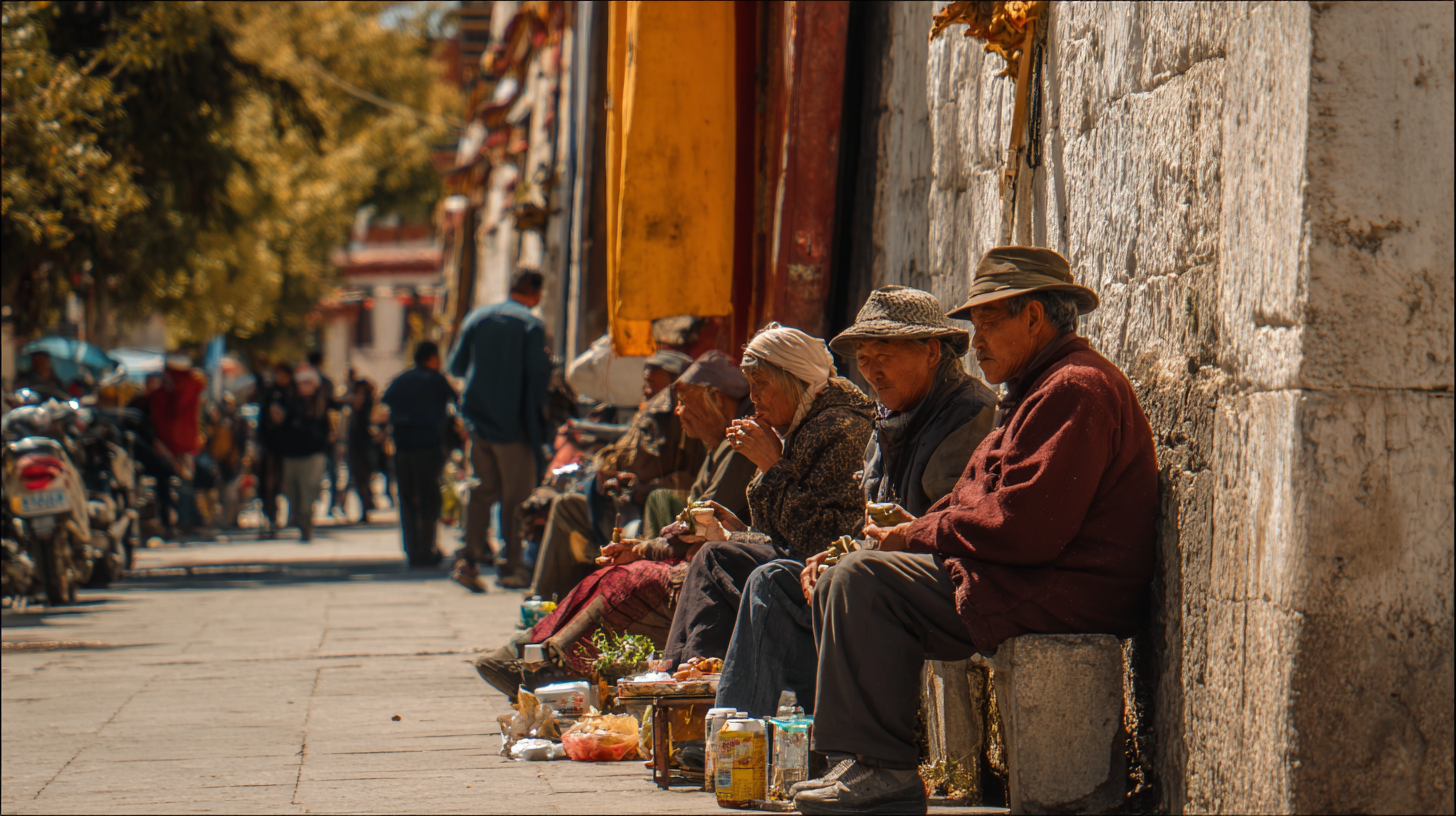
Tibetan Buddhism has shaped the rich culture and way of life for most Tibetans.
The region’s spiritual significance is evident in its deep-rooted Buddhist traditions and religious ceremonies.
Temples and monasteries like the iconic Potala Palace in Lhasa stand as symbols of this profound influence.
Pilgrims come from all corners of the world to witness monks engage in philosophical debates, twirl prayer wheels, and walk on spiritual circuits.
Mount Kailash, a sacred mountain, is a key pilgrimage site where thousands gather, especially during the Saga Dawa festival, to pay homage to this revered location.
Jessica’s Enlightening Encounter at Jokhang Temple
Jessica, a traveler from Canada, recounts her experience, saying, “Visiting the Jokhang Temple was transformative. To be amidst centuries-old traditions and practices was both humbling and enlightening. It’s not just a trip; it’s a spiritual journey.”
Challenges and Considerations
While Tibet has much to offer, it’s essential to acknowledge the challenges.
Firstly, the high altitude can be a concern. Altitude sickness is common among travelers, so it’s crucial to acclimatize properly.
Before planning a trip, consulting with a medical professional is advisable.
Travel arrangements can be made from mainland China to Lhasa, highlighting the accessibility of the region despite travel restrictions.
Moreover, Tibet remains a politically sensitive area. Travel regulations can be strict, requiring permits and often necessitating travel with a guide. It’s essential to stay updated on the latest travel advisories and be respectful of local customs and regulations.
The world’s highest train, the Qinghai-Tibet Railway, offers a unique travel experience with breathtaking landscapes, enhancing the overall allure of visiting Tibet.
Lastly, the infrastructure, especially outside urban areas, may not be as developed as some tourists might expect. It’s vital to go with an open mind and be prepared for some rugged experiences.
Is Tibet Worth Visiting?

To truly ascertain if Tibet is worth visiting, reflecting on personal testimonials can be insightful. The region’s natural beauty, with its spectacular landscapes and majestic Himalayan scenery, is often highlighted by visitors.
Mark’s Unforgettable Trek to Everest Base Camp
Mark, an avid trekker from Australia, shared, “The challenge of trekking to Everest Base Camp in Tibet was rigorous, but the views and the sense of accomplishment were unparalleled. It’s not just another trek; it’s a journey into the heart of the Himalayas.”
Clara’s Deep Dive into Tibetan Culture During the Shoton Festivals
For Clara from Spain, it was the cultural immersion that stood out. “Experiencing Tibetan culture by dancing with the locals during the Shoton Festival, tasting authentic Tibetan butter tea, and understanding their way of life was a priceless experience,” she expressed.
Tibetan cuisine, with its unique flavors and ingredients like yak meat and barley, also added to the cultural immersion. The Tibetan people, known for their resilience and deep-rooted traditions, left a lasting impact on visitors.
Other Sources Online: Their Opinons

Cultural Immersion and Spiritual Significance
Alyson Long from World Travel Family explains that visiting Tibet in China offers an intense cultural immersion, particularly through Tibetan Buddhism.
In places like Jokhang Temple and Sera Monastery, the spiritual significance of Tibetan Buddhism is palpable. The experience of witnessing monks engaging in philosophical debates is described as dreamlike.
The warm welcome from the Tibetan people, deeply rooted in their unique culture, further enriches the journey.
The atmosphere, steeped in Tibetan culture and spirituality, makes visiting Tibet an unforgettable experience
Spiritual Serenity on the Roof of the World
The team at Experience Tibet highlights the spiritual significance of the Tibetan Plateau, particularly in the shadow of Mount Everest.
Rongbuk Monastery, located near Everest Base Camp, is a key site for those seeking peace amidst the world’s highest mountains.
The simple lifestyle of the monks and the breathtaking scenery of the Tibetan Plateau make visiting Tibet a unique experience.
Tibetan people’s devotion to Tibetan Buddhism is evident in every aspect of life here, making it a spiritual journey for any visitor

Want to know the price of tours? Need to ask for a travel permit? Feel free to contact us. Funtrip can discuss your planned itinerary, assisting with customized, comprehensive planning and cost estimation.
Scenic Journeys and Tibetan Culture
Tibet Travel suggests that exploring Tibet by train offers one of the most scenic journeys in the world.
The Qinghai-Tibet railway provides stunning views of the Tibetan Plateau, including glimpses of Mount Everest and the region’s crystal clear lakes.
Visitors to Tibet can also experience vibrant Tibetan culture through local festivals like the Shoton Festival, where the Tibetan people celebrate with great fervor.
The rich traditions of Tibetan Buddhism and the opportunity to explore iconic sites such as Mount Kailash and Lhasa make Tibet travel a must for any adventurer
What do people think about visiting Tibet if it’s not worth it?
Visiting Tibet can be challenging due to several factors.
The high altitude, averaging over 4,000 meters, poses a significant risk of altitude sickness, especially for those unaccustomed to such elevations.
Additionally, travelers face restrictions on independent travel, requiring licensed guides and permits, which can feel limiting.
The presence of heavy surveillance and security can create an uncomfortable atmosphere, and cultural concerns arise from the perception that tourism may support the Chinese government’s policies in the region.
Furthermore, harsh weather conditions can disrupt travel plans, making access to certain areas difficult. These factors may lead some to consider that Tibet is not worth visiting despite its stunning landscapes and rich culture.
Conclusion

In conclusion, whether Tibet is worth visiting depends on what one seeks from the journey. For nature enthusiasts, spiritual seekers, and culture aficionados, Tibet offers a tapestry of experiences that are both rich and unique.
However, it’s essential to be aware of the challenges, prepare adequately, and embark with an open heart and mind. As with any destination, the journey’s worth is often measured not in miles traveled but in the memories and transformations it imparts.
If you’re seeking an experience that intertwines nature, spirituality, and culture in a setting unlike any other, then the mystery unravels itself – Tibet is indeed worth the visit.
The warm hospitality of the Tibetan people further enhances the overall memorable experience of exploring this remarkable region.