Overview of Yunnan Province
Location and Geography
Yunnan Province, situated in southwestern China and sharing borders with Myanmar, Laos, and Vietnam, is celebrated for its rich geographic and cultural diversity.
The province boasts a varied landscape, from towering mountains to expansive rivers and lakes, creating a region of striking natural beauty and ecological richness. The high-altitude mountains influence both the climate and the diverse ecosystems across different elevations, fostering a unique environment where flora and fauna thrive in distinct layers.
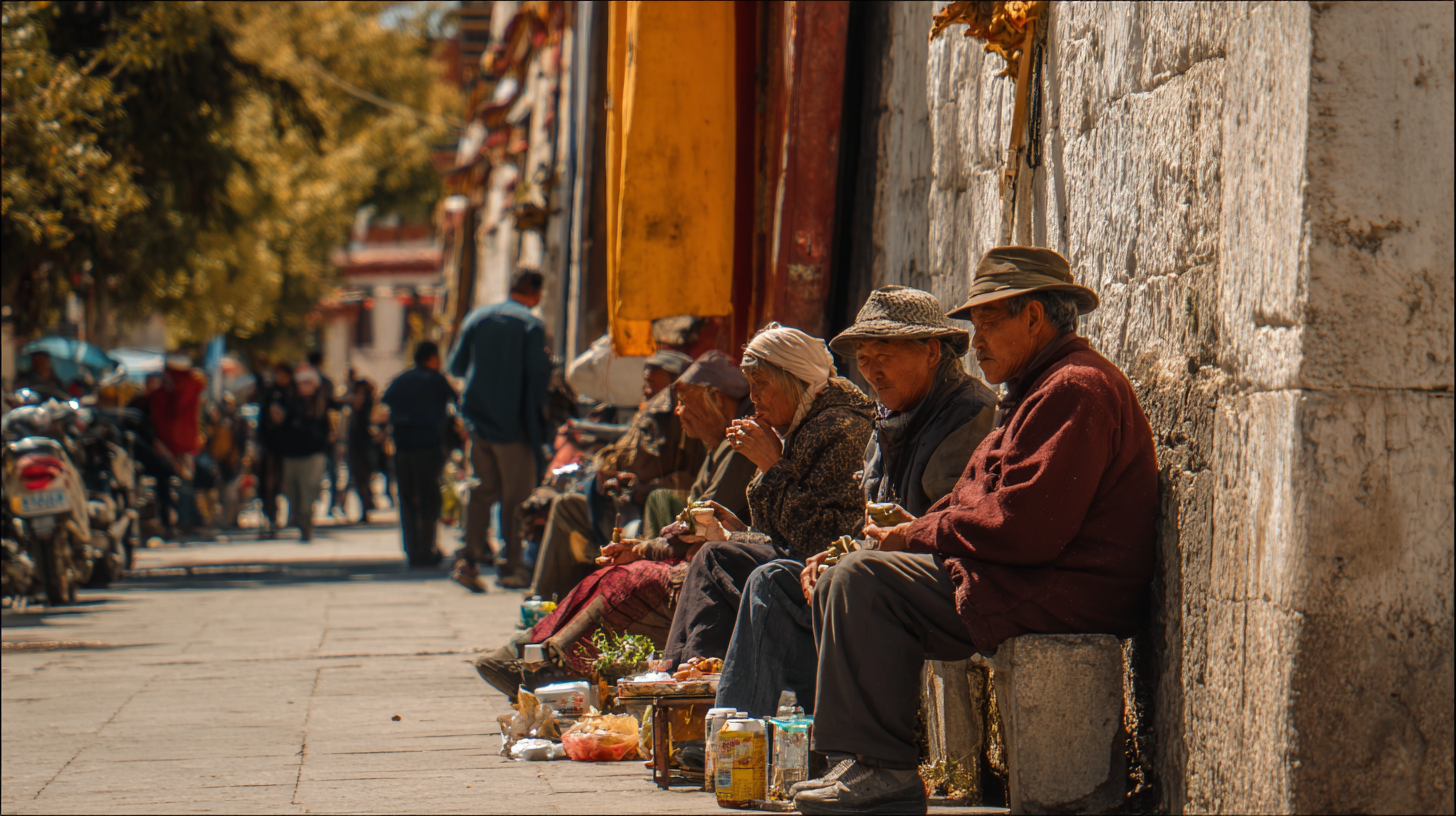
Yunnan is also one of China’s most ethnically diverse provinces, home to 25 ethnic minority groups, including the Bai, Naxi, Yi, and Dai. These different ethnic groups have distinct geographical distributions influenced by factors like topography, proximity to rivers, and their traditional livelihoods, demonstrating significant differences among them. Each group maintains its own customs, languages, and traditional attire, weaving a colorful cultural tapestry that adds to Yunnan’s allure.
Festivals like the Dai Water-Splashing Festival and Naxi Dongba cultural events attract visitors from around the world, eager to experience this cultural vibrancy. With its combination of breathtaking landscapes and rich heritage, Yunnan is a captivating destination for nature enthusiasts and cultural explorers alike.
Ethnic Groups in Yunnan

Introduction to Yunnan’s Ethnic Diversity
Yunnan Province is home to 25 ethnic minority groups, including the Naxi, Bai, Yi, and Dai. These ethnic minority people have their own unique cultures, languages, and traditions. Yunnan’s ethnic diversity is a result of its strategic location and history of migration and trade.
| Ethnic Group | Language & Writing | Traditional Clothing | Religion & Beliefs | Notable Festivals | Unique Customs & Arts |
|---|---|---|---|---|---|
| Naxi (納西族) | Naxi language; traditional Dongba script (pictographic) | Men wear simple robes, while women often wear dresses with embroidered aprons and sheepskin capes with “seven stars” on the back, symbolizing hard work | Dongba religion, a mix of animism and Tibetan Buddhism | Dongba Festival, Sanduo Festival | Dongba culture, including pictographic writing, Dongba dance, and ritualistic art forms |
| Bai (白族) | Bai language, some use Han Chinese characters | Women wear white blouses, colored waistbands, and headdresses symbolizing the “three purity colors” (white, blue, and pink) | Buddhism, with influences from Daoism and animistic beliefs | March Fair (Sanyuejie), Torch Festival | Architecture with “Three Rooms and One Screen Wall” style, Bai tie-dye art, and lively folk songs |
| Yi (彝族) | Yi language; classical script used for religious purposes | Colorful, richly embroidered dresses; silver ornaments are common in traditional wear | Beliefs in animism and ancestral worship; Bimo priest culture | Torch Festival, celebrating harvest and ancestral worship | Unique fire-worshipping customs, Bimo ceremonies, and Yi folk music and dance |
| Dai (傣族) | Dai language, based on Tai-Kadai family | Women wear elegant, form-fitting long skirts and blouses in bright colors, while men often wear simple shirts and sarongs | Theravada Buddhism with a strong influence on daily life | Water-Splashing Festival (celebrates New Year) | Stilted houses, elephant-foot drum dance, peacock dance, and water-worshipping customs |
The Naxi Ethnic Minority

Origins and History
The Naxi ethnic minority has a long-established presence in Yunnan Province, with historical roots that trace back to the 7th century. Originally migrating from the Tibetan plateau, the Naxi gradually settled in the mountainous regions of what is now Lijiang, where they developed a distinctive culture influenced by their environment and interactions with neighboring Tibetan and Han communities.
One of the unique aspects of Naxi culture is their language and writing system. Known as Dongba script, this pictographic writing system is one of the few remaining examples of hieroglyphic scripts still in use today. The script is not only a method of communication but also a medium for preserving Naxi religious and cultural beliefs, particularly through texts that detail rituals, folklore, and traditional practices.
The Naxi people have cultivated a rich cultural heritage that places strong importance on music, dance, and visual arts, each serving as a medium to express their deep connection to nature, spirituality, and community. This rich cultural heritage is a vital part of the ethnic culture in Yunnan, showcasing the diverse traditions and unique folk customs of the region.
Naxi Traditions and Customs
The Naxi people observe unique traditions rooted in ancestor worship and animism, with a belief system that emphasizes the spirits of nature and the protection provided by ancestors.
Their festivals are both vibrant and deeply symbolic, with events like the Torch Festival, celebrating harvest and protection from evil spirits, and the Sanduo Festival, honoring the Naxi guardian deity Sanduo. These festivals not only bring communities together but also serve as a way to preserve and pass down traditions through generations. The Naxi ethnic villages are studied for their unique ecological and cultural characteristics, facing challenges due to urbanization and highlighting the need for more comprehensive research on various ethnic groups.
Additionally, the Naxi are skilled in traditional medicine and handicrafts, often using local plants for medicinal purposes and producing intricate textiles and carvings. Their craftsmanship is renowned for its beauty and functionality, reflecting their harmonious relationship with their surroundings.
Naxi Culture and Society
In Naxi society, which is part of the broader community of ethnic minority people in Yunnan, social structure is matrilineal, with women playing a prominent role in both family and community life. This structure shapes family dynamics, with inheritance and family lineage passed down through the female line.
Community bonds are fundamental to the Naxi, who emphasize mutual support and collective responsibility. Elders hold a respected place within the hierarchy, and younger members are taught to show deep respect for their wisdom and experience.
This societal setup fosters a strong sense of identity and continuity, with each generation upholding the values and traditions of the Naxi heritage.
Traditional Naxi Music and Dance

Traditional Naxi music and dance are integral to the cultural fabric of the Naxi ethnic group, reflecting their deep-rooted heritage and communal values. Naxi music is a harmonious blend of traditional Chinese instruments, such as the erhu and pipa, with unique local instruments like the huangguoshu and xiangguoshu. This fusion creates a distinctive sound that is both melodious and evocative.
One of the most celebrated forms of Naxi dance is the “Naxi Ancient Music and Dance,” recognized by UNESCO as an intangible cultural heritage. This dance is a vibrant display of the Naxi’s artistic expression, performed during significant festivals and celebrations.
The dancers, adorned in colorful costumes, execute intricate footwork and hand movements that captivate audiences and convey stories of their ancestors and deities.
Music and dance hold a special place in Naxi society, often performed during pivotal life events such as weddings and funerals. These performances are believed to bring good fortune and prosperity, underscoring their spiritual significance. Through these art forms, the Naxi people continue to celebrate their cultural identity and pass down their traditions to future generations.
Naxi Cuisine and Festivals

Naxi cuisine is a delightful fusion of traditional Chinese flavors and local Naxi culinary practices, characterized by the use of fresh, locally-sourced ingredients and bold spices. One of the standout dishes is “Naxi chicken,” a flavorful dish cooked in a spicy sauce that tantalizes the taste buds. Another popular dish is “Naxi noodles,” made from buckwheat flour, offering a unique texture and taste that is a staple in Naxi households.
Festivals are a cornerstone of Naxi culture, providing a platform for communal celebration and cultural preservation. The “Naxi Torch Festival,” celebrated in the summer, is one of the most prominent festivals.
It features traditional music and dance performances, culminating in a spectacular torch-lighting ceremony that symbolizes the triumph of light over darkness and the protection from evil spirits.
Another significant festival is the “Naxi New Year,” celebrated in the spring. This festival marks the beginning of the new year and is a time for families to come together, perform traditional music and dance, and share festive meals. These celebrations are not only a time for joy and merriment but also serve as a means to reinforce cultural bonds and pass on traditions to younger generations.
Naxi Language and Literature
The Naxi language belongs to the Sino-Tibetan language family, encompassing both oral and written traditions that highlight the group’s rich literary culture. Storytelling and poetry are integral to Naxi literature, with narratives often centered on themes of nature, mythology, and morality.
At the heart of Naxi literature lies the Dongba script, a unique pictographic system used primarily by Naxi shamans, or Dongba priests, to record religious texts, rituals, and folklore. This ancient script is more than a writing system; it is a cultural legacy that reflects the Naxi worldview and spiritual beliefs.
Through Dongba literature, the Naxi people continue to preserve their history, customs, and values, ensuring that each generation remains connected to their ethnic heritage.
Naxi Architecture and Art

Naxi architecture is a testament to the community’s ingenuity and aesthetic sensibilities, blending traditional Chinese and local Naxi styles. The use of stone and wood is prevalent, with buildings often featuring intricate carvings and paintings that reflect the Naxi’s connection to their natural surroundings. These structures are designed to harmonize with the environment, showcasing the Naxi’s respect for nature.
Art is another vital aspect of Naxi culture, with artists excelling in various mediums such as painting, sculpture, and embroidery. Naxi art is distinguished by its use of traditional motifs and symbols, often depicting scenes from Naxi myths and legends. One of the most renowned art forms is the “Naxi Dongba painting,” which plays a crucial role in religious and ceremonial contexts. These paintings are highly valued for their cultural significance and artistic merit, serving as a visual representation of the Naxi’s rich heritage.
Preserving Naxi Cultural Heritage
Efforts to preserve Naxi culture and traditions, a significant part of the broader Yunnan ethnic minorities, have become increasingly important as the population, currently numbering 326,295 people (2010 census), faces the challenges of modernization and cultural assimilation. The majority of Naxi people, around 295,464, live in Yunnan Province, particularly in Lijiang, where 201,066 Naxi reside, accounting for 68.5% of the total Naxi population.
Additional communities are scattered in Sichuan and Tibet. The Chinese government has implemented numerous initiatives to protect Naxi heritage, such as establishing cultural centers and museums in Lijiang’s Old Town and other regions to showcase traditional art, music, and Dongba literature.
Efforts are also underway to document and preserve the Naxi language, a member of the Sino-Tibetan language family, with distinctive Eastern and Western dialects.
In 1956, a standardized Latin-based script was developed for education purposes, furthering the accessibility of the Naxi language in bilingual education. These preservation activities are critical to sustaining Naxi identity and ensuring that the Dongba script, folklore, and other cultural facets are passed down to future generations.
Visiting Naxi Communities
For visitors exploring Naxi communities, experiencing the rich ethnic culture is essential to supporting the preservation of Naxi heritage while respecting local customs. Lijiang, situated at the meeting point of the Qinghai-Tibet Plateau and the Yunnan-Guizhou Plateau, offers breathtaking landscapes, including the majestic Jade Dragon Snow Mountain and the renowned Tiger Leaping Gorge.
Visitors are encouraged to appreciate the unique environment, which spans diverse climates and ecosystems, and to be mindful of their environmental footprint. Supporting local artisans by purchasing Naxi handicrafts or sampling local cuisine are excellent ways to engage with and support the community’s economy.
Moreover, showing respect for Naxi customs, such as ancestor worship and community festivals, enhances cultural sensitivity and encourages the protection of these traditions.
Responsible Tourism and Engagement with the Naxi Community

When visiting Naxi communities, responsible tourism is paramount to ensuring the preservation of their cultural heritage. Visitors are encouraged to engage with the community by attending traditional festivals and celebrations, which offer a firsthand experience of Naxi culture and traditions. Learning about the history and customs of the Naxi people enhances cultural sensitivity and appreciation.
Supporting local artisans by purchasing traditional Naxi handicrafts and dining at local restaurants are excellent ways to contribute to the community’s economy. Additionally, respecting local customs, such as ancestor worship and community rituals, fosters a positive relationship between visitors and the Naxi people. Being mindful of the environment by not littering or causing damage is also crucial in maintaining the natural beauty of the region.
Supporting Local Communities and Ethical Tourism
Ethical tourism plays a significant role in the preservation of Naxi culture and the economic development of their communities. Visitors can support local economies by buying traditional Naxi products and enjoying meals at local eateries, ensuring that their spending benefits the community directly.
Respecting the Naxi’s cultural practices and traditions is essential for ethical tourism. This includes participating in or observing traditional festivals and ceremonies with respect and understanding. Learning about the Naxi’s history and customs not only enriches the visitor’s experience but also helps in preserving these traditions for future generations.
By engaging in responsible and ethical tourism, visitors can make a meaningful contribution to the preservation of Naxi culture and support the sustainable development of their communities. This approach ensures that the unique heritage of the Naxi people continues to thrive in the face of modernization and cultural assimilation.
Conclusion
The Naxi ethnic minority is a fascinating community with a unique history and a rich cultural heritage that includes traditions in language, literature, and a distinct social structure. As one of the 25 distinct ethnic minorities in Yunnan, the Naxi live primarily in the province’s mountainous regions, where the high altitude and diverse ecosystems have shaped their way of life, from agriculture to handicrafts.
Despite geographical challenges, Naxi society remains resilient, with strong values centered on family and community. Ongoing efforts to preserve Naxi cultural heritage, including the Dongba script, language, and customs, highlight the importance of safeguarding this invaluable culture for future generations.
The Naxi story is one of a people deeply connected to their land, traditions, and community, facing the future with a steadfast commitment to their identity.