Introduction to Yubeng Village
Tucked away at the base of the mystical Meili Snow Mountain in northwestern Yunnan, China, Yubeng Village is a secluded Tibetan village that offers travelers a rare blend of solitude and natural beauty. This small Tibetan village is celebrated for its awe-inspiring landscapes, drawing adventurous souls and nature enthusiasts from around the globe.
With panoramic views of towering snow-capped mountains, pristine alpine lakes, and cascading waterfalls, Yubeng feels like a paradise crafted specifically for hikers. Encircled by glaciers and dense green forests, this remote destination offers visitors an unforgettable experience steeped in nature’s wonders.
Planning Your Trip

Best Time to Visit
For those eager to explore Yubeng Village, the ideal season stretches from April to October. During these months, the weather is generally mild, providing comfortable conditions for trekking.
Spring is particularly enchanting as the mountains come alive with vibrant blooms and a tapestry of colors, though travelers should expect the occasional rain shower. To fully appreciate Yubeng’s charm without the crowds, consider avoiding China’s major holiday periods, such as the Golden Week in early October.
Getting to Yubeng
Reaching Yubeng Village requires a bit of planning, as it’s one of the more remote locations in Yunnan. The journey typically begins in Feilaisi, a nearby town where most travelers spend a night before taking an early bus to Xidang Village, the starting point of the hike.
The closest airport is Shangri-La Airport, from which you can take an express bus to Shangri-La Bus Station, then a local bus to Deqin County, and finally reach Feilaisi. Alternatively, some travelers opt for a bus to Feilaisi followed by a private car or local bus to Xidang, after which the adventure continues on foot or horseback into Yubeng.
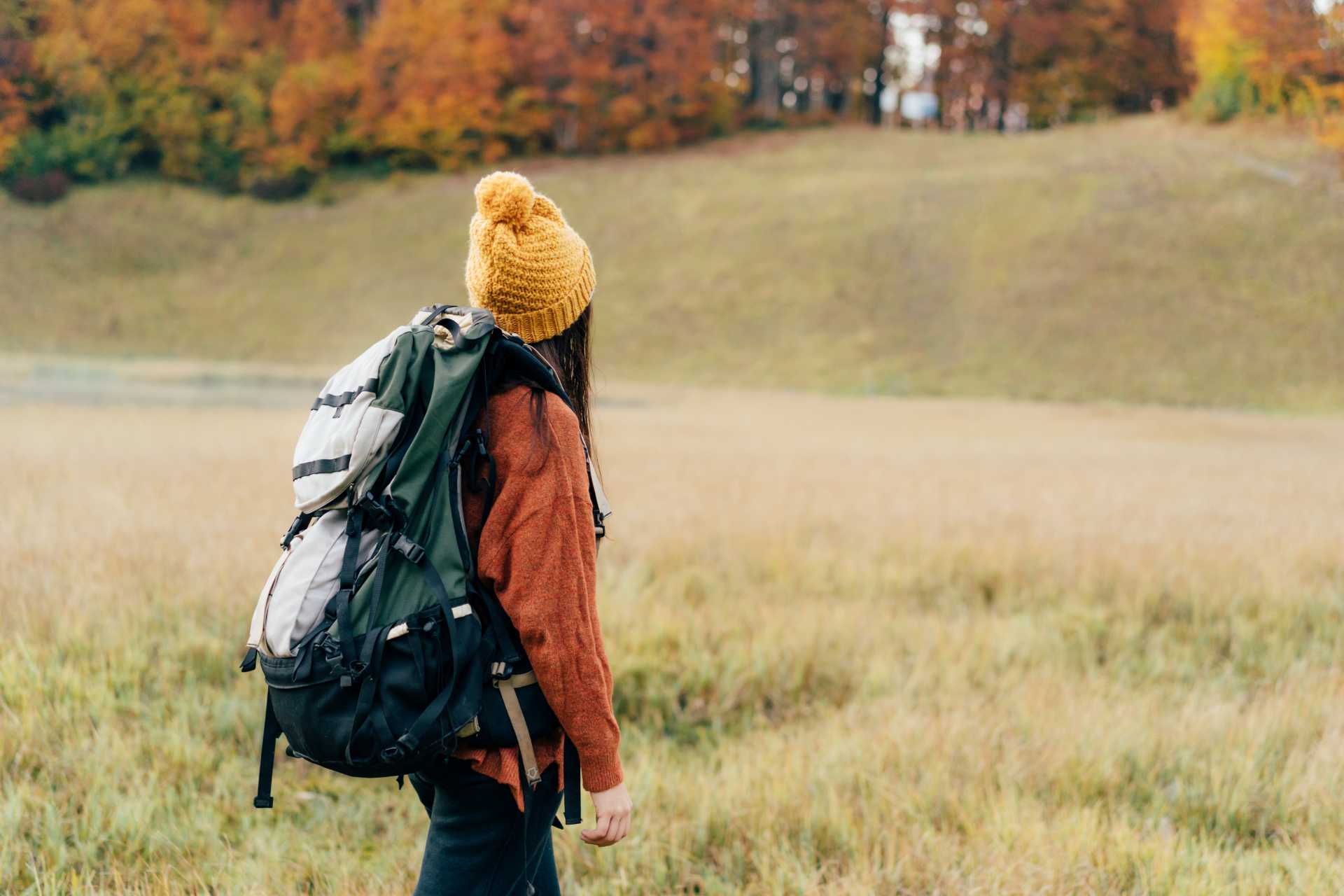
Reaching Yubeng involves an additional trek from Xidang. The distance between Xidang and the Yubeng lodges is quite long, so a backpack is far more convenient than a suitcase, especially with the uphill climb.
If you prefer to avoid the hike, luggage transport is available, though it comes at a premium. Alternatively, consider a rugged vehicle transfer into the village, which costs around 200 RMB per person for the uphill trip and 260 RMB for the descent.
From Shangri-La
To get to Yubeng Village from Shangri-La, start by taking a bus to Deqin, which costs 62 RMB and takes about 4 hours. The bus ride is a journey through a tapestry of landscapes, from lush farms and winding river gorges to quaint villages nestled in the hills. Along the way, there is a scheduled toilet break and a lunch stop, giving you a chance to stretch your legs and enjoy the scenery.
Upon arriving in Deqin, you’ll need to take a separate 1.5-hour car ride to Feilaisi, which costs around 10 RMB per person. This leg of the journey offers more breathtaking views, setting the stage for the natural beauty that awaits you in Yubeng Village.
From Deqin
From Deqin, you have a couple of options to reach Feilaisi. One convenient way is to find fellow travelers heading in the same direction and share a cab, which costs about 10 RMB per person. This not only makes the journey more affordable but also provides an opportunity to meet new people and share travel stories.
Alternatively, you can take a bus from Deqin to Feilaisi, which costs 5 RMB and takes about 1.5 hours. The bus ride is comfortable and offers more chances to soak in the stunning landscapes of the region.
Trekking Routes

Upper Yubeng Village Trek
The trek to the upper village of Upper Yubeng Village begins at Xidang, presenting hikers with a challenging ascent that climbs nearly 1,000 meters in elevation. Though steep, the journey is richly rewarding; at the top, you’ll be greeted by breathtaking vistas of the Meili Snow Mountain’s snowy peaks.
This route offers a firsthand encounter with Yubeng’s untouched natural beauty and grants access to the tranquil, high-altitude Upper Yubeng Village.
Ice Lake Trek
Among Yubeng’s treasured hikes, the Ice Lake trek stands out as a journey to a stunning glacier lake. This glacial green lake is revered as a sacred site, cradled within the Meili Snow Mountain range. With waters so clear they resemble jade, the lake’s beauty is mesmerizing. When winter arrives, the lake transforms into a frozen spectacle, creating a surreal, snow-covered landscape. The trail stretches approximately 6 kilometers northwest of Upper Yubeng Village, and hikers should allocate 6-8 hours for the round trip.
Sacred Waterfall and Sacred Lake Treks
The Sacred Waterfall is a place of deep spiritual significance for the Tibetan community in Yubeng. Along the trails, you will often see prayer flags fluttering, adding to the spiritual ambiance and highlighting the cultural importance of the area. The waterfall’s appearance shifts with the seasons, reaching its peak beauty during the rainy months when the flow is strongest.
Although the hike may be strenuous, the destination is worth every step. Another, lesser-known gem is the Sacred Lake, located roughly 9.5 kilometers below Upper Yubeng Village. This hidden lake requires a 10-12 hour hike and remains an undiscovered paradise even among many locals.
Ninong Grand Canyon
Ninong Grand Canyon is a must-visit attraction located about 15 kilometers away from Lower Yubeng Village. This natural wonder is particularly spectacular in summer and autumn, offering a splendid and adventurous experience for trekkers. The hike to Ninong Grand Canyon takes about 3.5 hours and rewards you with breathtaking views of the surrounding mountains and valleys. The canyon’s dramatic cliffs and vibrant foliage make it a photographer’s paradise and a highlight of any visit to Yubeng Village.
Accommodation and Logistics

Lodging in Yubeng Village
Visit Yubeng Village to experience a selection of guesthouses catering to different preferences. For those seeking scenic mountain views, Upper Yubeng has a wider range of lodging options.
Lower Yubeng, in contrast, offers a quieter, more secluded atmosphere, conveniently located near the Sacred Waterfall trail. Most guesthouses are rustic wooden lodges that provide basic amenities like hot showers and wholesome meals, generally priced around 60 RMB per night.
Wifi Connection and Communication
Staying connected in Yubeng can be challenging. Internet service is sparse, and Wi-Fi, where available, often weakens during the evening. Travelers are advised to purchase a local SIM card or data package prior to their journey. It’s also helpful to have an offline map and GPS as cell service can be unreliable, particularly on hiking routes.
Safety and Precautions

Altitude Sickness
At higher elevations, such as the Nanzheng Pass, which peaks at 3,729 meters (12,234 feet), altitude sickness can pose a risk. It’s advisable to allow time for acclimatization before tackling high-altitude trails. Oxygen supplies are available in towns like Shangri-La, Feilaisi, and even within Yubeng for those who may need them.
Weather and Climate
The climate in Yubeng Village varies significantly across seasons and is often unpredictable. Spring brings refreshing blooms and vibrant foliage, yet the rain can be frequent. As mountain weather can shift rapidly, bringing extra warm clothing and waterproof gear is essential for a safe and comfortable journey.
Yubeng Weather & Packing List
The weather in Yubeng Village can be quite variable, with each season offering its own unique charm. The best time to visit Yubeng is during the transition period of winter and early spring, when the village is exceptionally beautiful. However, be aware that the Sacred Waterfall may have a weaker flow, and the Glacial Lake could be snow-covered during this time.
When packing for your trip, it’s essential to bring warm clothing, as temperatures can drop significantly, especially at higher altitudes. Comfortable hiking shoes are a must, along with waterproof gear to protect against sudden weather changes. Avoid visiting during long holidays in China, such as the Golden Week, to enjoy a more peaceful experience.
Attractions and Activities
Yubeng Village offers a variety of attractions and activities for tourists, making it a paradise for nature lovers and adventure seekers. Hiking and trekking are the main draws, with trails leading to stunning destinations like the Ice Lake, Sacred Waterfall, and Ninong Grand Canyon. Exploring the surrounding mountains and valleys provides endless opportunities for breathtaking views and encounters with local wildlife. Whether you’re an experienced trekker or a casual hiker, Yubeng Village has something to offer everyone.
Feilai Temple
Feilai Temple is a Tibetan temple located on the way to Yubeng Village, offering a serene stop with stunning views of the surrounding mountains and valleys. This temple is a great place to rest and reflect before continuing your journey to Yubeng. It also provides a unique opportunity to learn about Tibetan culture and traditions, adding a rich cultural dimension to your adventure. The peaceful atmosphere and beautiful scenery make Feilai Temple a memorable part of your trip to Yubeng Village.
Leaving Yubeng Village

Returning to Civilization
Upon concluding your stay after you have visited Yubeng Village, you have two main routes to exit. The first option is hiking downhill through the Ninong route, a 4-6 hour trek that offers a gentler descent. Alternatively, you can backtrack to Xidang along the same road, which also takes around 4-6 hours.
Once back in Xidang, transportation options include hiring a van or catching a car to Feilaisi, where buses to Shangri-La are available. For those seeking more direct transport, hiring a private car or taxi to nearby cities is an option, allowing you to swiftly transition back to the bustle of modern life.
6-Day Trekking Guide to Yubeng Village: A Journey through Nature and Culture

Day 1: Arrival in Lijiang
Kick off your adventure by arriving in Lijiang, an ancient town known for its unique blend of Naxi and Tibetan cultures, winding alleyways, and historic architecture. Spend the day exploring the cobbled streets and lively markets, or relax in one of the traditional teahouses to soak up the atmosphere.
If you have time, visit Black Dragon Pool to catch a glimpse of the majestic Jade Dragon Snow Mountain in the background, setting the stage for the stunning mountain scenery you’ll encounter throughout your journey.
Day 2: Lijiang to Feilaisi
After breakfast, depart from Lijiang and head towards Feilaisi, a scenic route that includes stops at several breathtaking spots. As you journey through Xiaozhongdian Grassland and Moon Bay, you’ll pass through picturesque valleys and rolling fields.
By late afternoon, arrive in Feilaisi, where you can enjoy panoramic views of Meili Snow Mountain. Weather permitting, catch the mesmerizing sunset over Meili, a prelude to the sights awaiting you in Yubeng.
Day 3: Feilaisi to Yubeng Village
Rise early for a view of the sunrise casting its golden light on the peaks of Meili Snow Mountain. After a hearty breakfast, continue your journey towards Xidang, the starting point of your trek. From Xidang, begin your hike to Yubeng Village, ascending through thick forests, clear streams, and rocky paths.
The highlight of the day is reaching Nanzheng Pass, a challenging point at nearly 3,800 meters, where you’ll experience sweeping views of the valley and distant peaks. Afterward, descend into the welcoming embrace of Yubeng, where a rustic guesthouse awaits, allowing you to rest up for the hikes ahead.
Day 4: Ice Lake Trek
Today, set out for Ice Lake, one of Yubeng’s most iconic trekking routes. The trail leads you uphill through lush alpine forests, past a range of scenic vistas, until you reach the sparkling green waters of Ice Lake, nestled amid the Meili Snow Mountain range.
This sacred glacial lake, revered by locals, presents an otherworldly sight, particularly enchanting on a clear day when the surrounding peaks reflect on its surface. The round-trip trek typically takes 6-8 hours, so pack lunch, snacks, and water to refuel along the way. Return to Yubeng Village by evening to relax and share stories with fellow trekkers over dinner.
Day 5: Sacred Waterfall Trek
Prepare for a soul-stirring journey to the Sacred Waterfall, a revered site among the Tibetan locals. This moderate trek winds through pristine forests and across rustic wooden bridges, revealing small shrines and offerings left by pilgrims over the years.
Upon reaching the waterfall, feel the spiritual energy of this sacred spot as water cascades down from the snow-covered cliffs above. Spend time here to reflect, meditate, or simply take in the scenery before heading back to the village. The day ends with a quiet evening in Lower Yubeng, closer to the trail’s starting point.
Day 6: Yubeng to Shangri-La via Ninong Canyon
On your final day, bid farewell to Yubeng Village and begin your descent through Ninong Canyon, a scenic route that follows the Lancang River with towering canyon walls on each side.
This descent is mostly downhill, making for a comfortable hike with spectacular views. Once back in Xidang, a vehicle will transport you to Shangri-La, where you can relax and celebrate the completion of your trekking journey. Spend the evening exploring the old town of Shangri-La or enjoy a well-earned Tibetan-style dinner.
Trail Difficulty in Yubeng

Yubeng offers a variety of hiking trails, each with its own level of difficulty and unique scenic charm:
- Sacred Waterfall (Difficulty: Beginner) – This path is primarily a paved trail, ideal for beginners, and even offers occasional glimpses of squirrels along the way. You’ll also find several rest stops for refueling.
- Ninong Canyon (Difficulty: Beginner) – A straightforward downhill route on a paved road, equipped with supply stations, making it a comfortable choice for trekkers of all levels.
- Ice Lake (Difficulty: Intermediate) – This moderately challenging trail takes you uphill, often becoming muddy and difficult during rainy weather. Midway through, you’ll find a single supply point, so plan accordingly.
- Nise Trail (Difficulty: Beginner) – Similar to the Ice Lake trail in terms of elevation gain, this trail provides access to an additional glacier viewpoint if you extend your hike by two more kilometers.
- Sacred Lake (Difficulty: Advanced) – A steeper and more demanding uphill trail that lacks supply stations. Trekkers are advised to avoid it during rainy weather as it becomes particularly challenging.
Essential Gear for the Yubeng Trek

Equipping yourself with the right gear is essential for a safe and enjoyable trek through Yubeng’s rugged terrain:
- Clothing – Pack moisture-wicking shirts, fleece layers, and a weatherproof jacket. For pants, choose either fleece or quick-dry trekking pants, depending on the season.
- Footwear – Comfortable, durable, and waterproof hiking boots with good grip are essential for safety, especially on slippery or rocky trails.
- Backpack and Accessories – A 20L daypack should be sufficient, along with trekking poles to help reduce strain on your knees. You can rent crampons and gaiters in the village if necessary.
- Sun Protection and Essentials – Bring sunscreen, sunglasses, a headscarf, and insect repellent. Women may also want to pack sun recovery masks.
Is Long-Distance Trekking Suitable for Inactive Travelers?
If you’re new to trekking or spend most of your days behind a desk, don’t worry—Yubeng’s trails are manageable with a few preparations:
- One Trail per Day – Each day focuses on a single route, allowing you to fully enjoy the experience without overextending yourself.
- Guided by Experienced Leaders – Knowledgeable outdoor guides accompany you throughout, ensuring a safe and enjoyable journey.
- Light Pack Hiking – Leave your main luggage at the guesthouse and carry only essentials, making each trek less strenuous.
- Relaxation Time – After a day on the trail, unwind at your guesthouse with a coffee in hand, soaking up the sun or even spending time with the resident cats.
- Pre-Trek Conditioning – To prepare, consider doing light leg exercises a couple of weeks before your trip to strengthen muscles and improve stamina.
Conclusion
Yubeng Village offers a rare and breathtaking escape into nature, culture, and spiritual tranquility. Nestled in the remote reaches of Yunnan, it rewards those willing to undertake the journey with awe-inspiring views of Meili Snow Mountain, pristine lakes, sacred waterfalls, and peaceful Tibetan culture. Each trail, from the Ice Lake to the Sacred Waterfall, provides a unique experience, blending physical challenge with the serenity of untouched landscapes.
For trekkers and nature lovers, Yubeng is more than just a destination—it’s an unforgettable adventure into the heart of some of China’s most stunning scenery and profound cultural heritage.