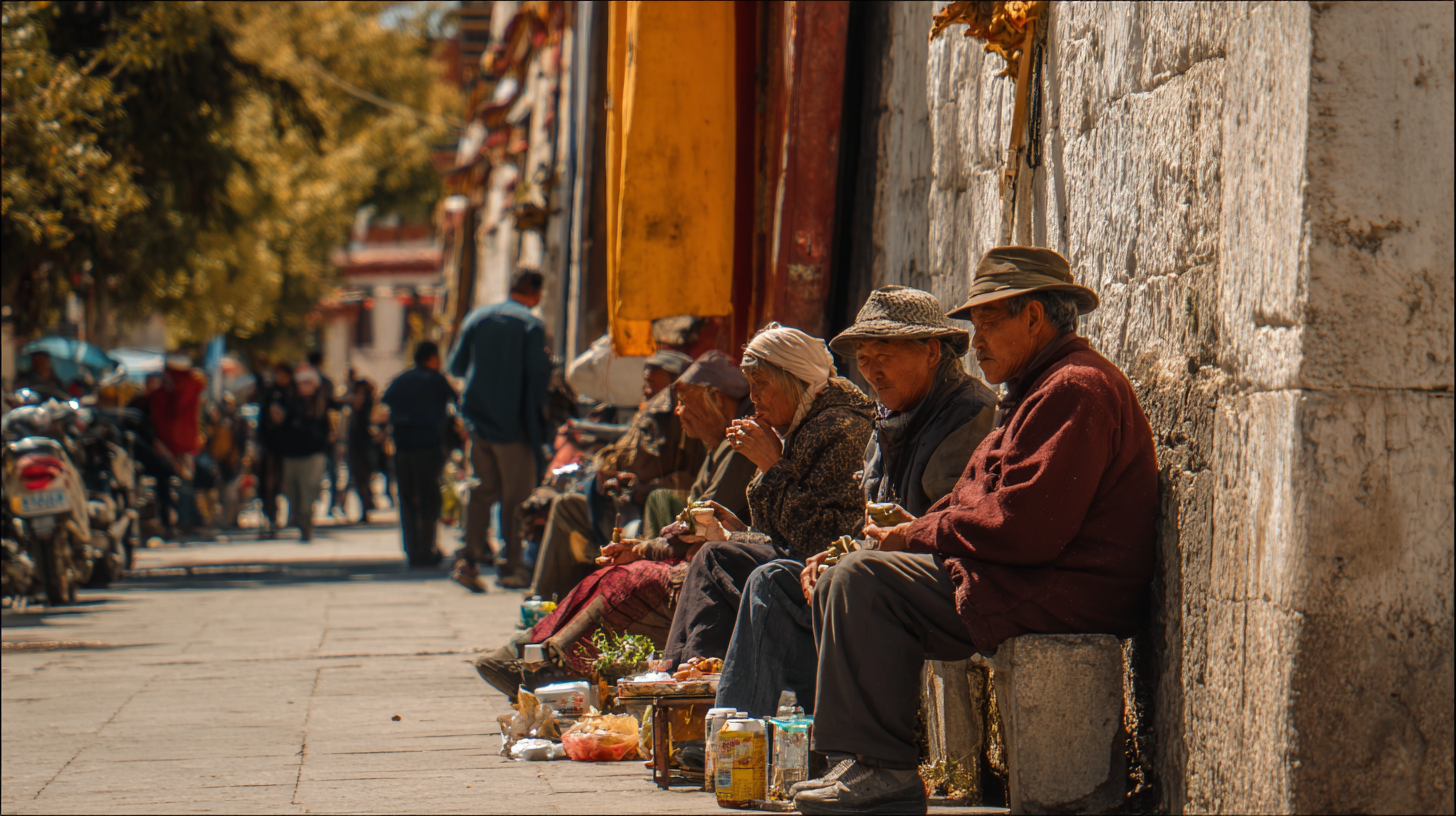
Tibet, a land steeped in spirituality and ancient traditions, is home to a multitude of buddhist monasteries that stand as testaments to the rich tapestry of Tibetan Buddhism. These monasteries, nestled amidst the Himalayas, offer glimpses into a world of vibrant rituals, intricate architecture, and profound serenity.
Choosing just three from the vast number of monasteries in Tibet is no easy feat, but here are three remarkable choices, each with its own unique allure and significance:
Introduction to Tibetan Monasteries

Tibetan monasteries are an integral part of Tibetan culture and history, with over 1,700 monasteries and temples scattered throughout the region. These monasteries are not only significant religious centers but also serve as important cultural and educational institutions.
Tibetan monasteries are known for their unique architecture, stunning murals, and intricate sculptures, which reflect the region’s rich cultural heritage.
Nestled in remote, high-altitude locations, these monasteries are surrounded by breathtaking natural scenery, creating a serene and contemplative atmosphere. The monasteries are home to Tibetan monks, who dedicate their lives to the practice of Tibetan Buddhism.
Visitors to these sacred sites can immerse themselves in the tranquil environment, gaining insights into the daily lives of the monks and the profound spiritual traditions they uphold.
The Significance of Tibetan Buddhism

Tibetan Buddhism is a unique and complex spiritual tradition that combines elements of Buddhism, Hinduism, and indigenous Tibetan practices.
It emphasizes the importance of compassion, wisdom, and spiritual practice, and is characterized by its use of rituals, ceremonies, and sacred objects, such as statues, thangkas, and prayer flags.
This spiritual tradition has profoundly shaped Tibetan culture and history, becoming an essential part of Tibetan identity. Central to Tibetan Buddhism is the guru-disciple relationship, which underscores the importance of guidance and mentorship in spiritual practice.
The tradition is also renowned for its tantric practices and rituals, which aim to transform ordinary experiences into paths of enlightenment.
Tibetan Buddhism is divided into four main schools: Gelugpa, Nyingmapa, Kagyupa, and Sakyapa. Each school has its own distinct traditions, practices, and lineages, offering unique approaches to spiritual practice.
This diversity within Tibetan Buddhism enriches the spiritual landscape, providing a wide array of teachings and practices for followers to explore.
1. Tashilhunpo Monastery: The Seat of the Panchen Lama
Located in Shigatse, Tashilhunpo Monastery is one of the major monasteries in Tibetan Buddhism. Established in 1447 by Gendun Drup, the First Dalai Lama’s teacher, it is the traditional seat of the Panchen Lama, considered to be the second highest ranking Tulku lineage in the Gelug School.

Why Tashilhunpo?
Grand Scale and Architectural Splendor
Tashilhunpo is a sprawling complex with numerous colleges, chapels, and stupas, showcasing the grandeur of Tibetan monastic architecture.
Spiritual Significance
As the residence of the Panchen Lama, it holds immense spiritual significance for Tibetan Buddhists, attracting pilgrims from across the Tibetan Plateau.
Cultural Repository
The monastery houses a wealth of Tibetan Buddhist art and artifacts, including impressive murals, statues, and scriptures, offering insights into the rich artistic traditions of the region.
2. Samye Monastery: Tibet’s First Monastery
Journey to the heart of Tibetan Buddhist history at Samye Monastery, the first buddhist monastery in Tibet, located in the Shannan region.
Established in the 8th century during the reign of Trisong Detsen, it holds the distinction of being the first monastery in Tibet where monks were ordained.

Why Samye?
Unique Mandala Design
The monastery’s layout is based on the Buddhist mandala, representing the universe with its central temple symbolizing Mount Meru, the mythical center of the Buddhist cosmos.
Historical Significance
As the first monastery to house the “Three Jewels of Buddhism” – the Buddha, the Dharma (teachings), and the Sangha (monastic community), it marked a turning point in the establishment of Buddhism in Tibet.
Architectural Fusion
Samye exhibits a blend of Tibetan, Chinese, and Indian architectural styles, reflecting the cultural influences present during its construction.
3. Ganden Monastery: The Foundation of the Gelug Lineage
Perched atop Wangbur Mountain near Lhasa, Ganden Monastery stands as a beacon of the Gelug School of Tibetan Buddhism and is a significant tibetan buddhist monastery.
Founded in 1409 by Tsongkhapa, the founder of the Gelug lineage, it served as his primary teaching center and played a pivotal role in shaping the doctrines and practices of this influential school.

Why Ganden?
Seat of Gelug Scholarship
Ganden Monastery is renowned for its rigorous scholastic tradition and is considered one of the most important centers for Buddhist philosophical studies within the Gelug School.
Historical Importance
As the first monastery established by Tsongkhapa, it holds a special place in the history of the Gelug lineage and witnessed the early development of this prominent school.
Scenic Beauty
The monastery’s location on Wangbur Mountain offers breathtaking views of the surrounding valleys and the Kyi River, adding to the spiritual ambiance of the site.
The Architecture of Tibetan Monasteries

Tibetan monasteries are celebrated for their unique architecture, which reflects the region’s cultural and spiritual heritage.
Constructed using local materials such as stone, wood, and earth, these structures are designed to withstand the harsh Tibetan climate while embodying the aesthetic and symbolic elements of Tibetan Buddhism.
Intricate murals and sculptures adorn the walls of these monasteries, depicting scenes from Tibetan Buddhist mythology and history.
Key buildings within the monastery complex include the main temple, the debating courtyard, and the monks’ quarters, each serving a specific purpose in the monastic community.
The Role of Symbolism and Design in Tibetan Monasteries

Symbolism plays a crucial role in the architecture of Tibetan monasteries. Colors, shapes, and motifs are carefully chosen to convey spiritual meanings.
For instance, the use of red and yellow is prevalent, as these colors are considered sacred in Tibetan Buddhism.
Some of the most renowned Tibetan monasteries include Jokhang Temple, Drepung Monastery, Sera Monastery, Ganden Monastery, and Tashilhunpo Monastery.
These sites are not only important cultural and religious centers but also popular tourist destinations, attracting visitors from around the world who seek to experience their unique atmosphere and learn about Tibetan culture and history.
In addition to their cultural and religious significance, Tibetan monasteries play a vital role in the local economy. They attract tourists, providing employment opportunities for local residents who work as guides, cooks, and maintenance staff.
Thus, these monasteries contribute to the economic well-being of the region while preserving its rich cultural heritage.
Overall, Tibetan monasteries offer a fascinating glimpse into the region’s spiritual traditions, cultural history, and architectural beauty.
They stand as enduring symbols of Tibetan Buddhism, inviting visitors to explore and appreciate the profound legacy of this ancient spiritual tradition.
Honorable Mentions: Other Notable Tibetan Monasteries

While Tashilhunpo, Samye, and Ganden offer remarkable experiences, Tibet boasts numerous other monasteries worthy of exploration. Here are a few noteworthy additions:


- Jokhang Temple (Lhasa): Revered as the most sacred temple in Tibet, Jokhang Temple houses the Jowo Shakyamuni statue, believed to have been brought to Tibet by Princess Wencheng in the 7th century.
- Sera Monastery (Lhasa): Known for its lively daily debate sessions, Sera offers a unique opportunity to witness Tibetan monks engaging in rigorous philosophical discussions.
- Drepung Monastery (Lhasa): Once the largest monastery in the world, Drepung housed over 10,000 monks and remains an important center of Buddhist learning and practice.
- Sakya Monastery (Sakya): The main monastery of the Sakya School of Tibetan Buddhism, Sakya houses a vast collection of Buddhist scriptures and is known for its distinctive architectural style.
- Rongbuk Monastery (Base of Mount Everest): Situated at the base of Mount Everest, Rongbuk holds the title of the world’s highest monastery and offers unparalleled views of the majestic peak.
For those looking to visit Tibetan monasteries, these sites offer a wealth of cultural and spiritual experiences.
A journey to these Tibetan monasteries is not just a travel experience; it’s a pilgrimage into the heart of a profound spiritual tradition.
Through their architecture, art, and the daily lives of the monks, these monasteries offer a glimpse into a world where faith and devotion intertwine with the awe-inspiring beauty of the Himalayas.