Finding Personal Space Within Group Tours
Many solo travelers to Tibet worry that joining a group tour means sacrificing the essence of traveling alone. In reality, it does not have to feel that way. The key is knowing how to keep your own rhythm while still enjoying the benefits of being part of a guided journey.
A few simple approaches can help:
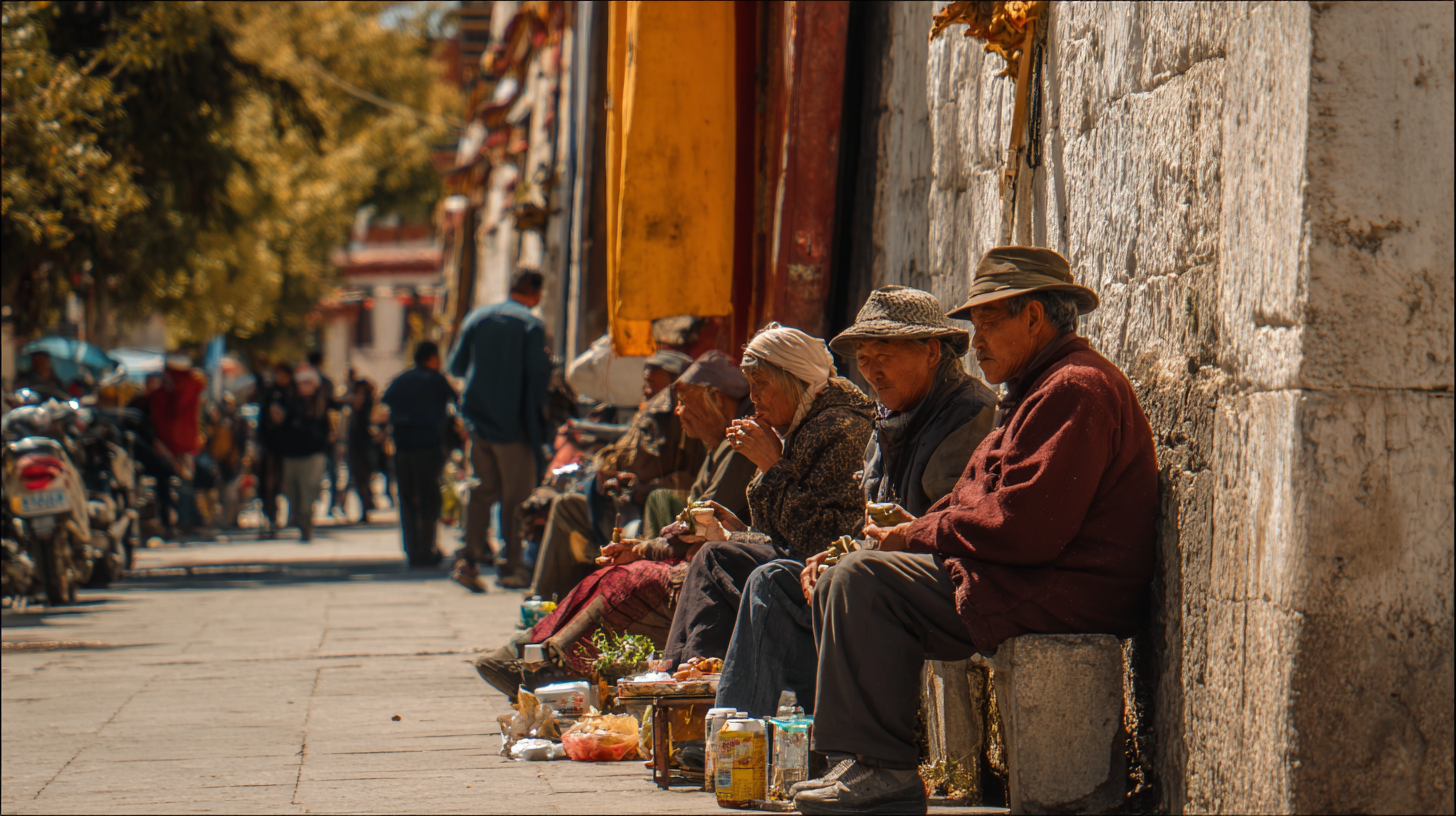
- Make use of free time in the itinerary: Many tours allow afternoons or evenings for personal exploration. Take that opportunity to wander the narrow lanes of Lhasa, step into a small teahouse, sip sweet tea, and write down your impressions of the day while watching locals walk the prayer circuit outside.
- Express your need for space: If you prefer quiet moments, there is no need to feel awkward. Simply tell fellow travelers that you would like to explore on your own. Most people understand, and some even admire the honesty.
- Choose tours with a slower pace: Cultural itineraries tend to have more relaxed schedules compared with quick sightseeing packages. This gives you more space to breathe and reflect.
Traveling this way lets you enjoy the support of guides and drivers while keeping that sense of independence that solo journeys are known for.
Unique Corners for a Personal Experience
Most Tibet group tours focus on well-known highlights, but for a solo traveler, discovering quieter corners can turn an ordinary trip into something unforgettable.
Peaceful places worth adding to your itinerary:
- Shalu Monastery: Near Shigatse, this monastery is far less visited and holds remarkable murals that show a blend of Tibetan, Indian, and Nepalese artistry. It is perfect for slow, quiet appreciation.
- Yaowang Mountain Viewing Point: Across from the Potala Palace, this spot offers one of the best panoramic views of Lhasa. Visit at dawn or dusk for soft light and fewer people, an ideal moment to simply sit and watch the city awaken or settle into night.
- Outer edge of Sera Monastery’s debating courtyard: You do not need to stand in the middle of the crowd. Watching the monks debate from the quieter perimeter gives a unique perspective and a calm atmosphere.
These places can be explored without breaking away from the group, yet they provide space for moments of solitude.
Why Choose to Travel Alone in Tibet?

Some might ask, “Why go to Tibet alone? Wouldn’t it feel lonely?” The truth is, that sense of solitude is often what makes such a journey meaningful.
Common reasons solo travelers head to Tibet:
- Healing: After a life transition, such as ending a relationship or changing jobs, some travelers seek the vast landscapes of the plateau to find calm and perspective.
- Inspiration: Creators, photographers, and designers often visit to spark new ideas through unfamiliar culture and breathtaking scenery.
- Challenge: Others simply want to test themselves, to see if they can handle the altitude and the unfamiliar environment on their own.
- Cultural immersion: Without familiar companions, it is easier to fully engage with Tibetan traditions, food, and rituals.
- Simple rest: Sometimes, there is no dramatic reason. It is just the wish to be alone, gaze at a different sky, and let the mind quiet down.
These motivations are possible in any type of travel, but when you travel alone in Tibet, the feelings often become clearer and more profound.
Different Routes, Different Stories
Flying into Lhasa is only one way to arrive. Your choice of travel route can completely shape the story of your journey.
Train to Tibet: slow acclimatization and landscapes
The Qinghai–Tibet Railway is the highest in the world, offering views of wild grasslands and snow-capped peaks. Traveling alone by train allows time to watch the scenery roll past and, often, to meet strangers who might become travel companions.
Shared vehicle journeys: building temporary bonds
From Chengdu or Xining, you may find opportunities to share rides and experience the famous Sichuan–Tibet or Qinghai–Tibet highways. These overland journeys are more about the road itself than just the destination, often filled with small, unexpected encounters.
Overland from Nepal: a cultural shift in motion
Crossing from Kathmandu into Tibet creates a dramatic sense of transition. One evening you may still be eating curry near a Buddhist stupa, and the next morning you are standing in the crisp wind of the Himalayan north side. For solo travelers who enjoy cultural contrasts, this route is worth considering.
Each approach to reaching Tibet adds a unique emotional layer to the overall experience.
Solo Evenings in Tibet
During the day, the group tour sets the pace, but evenings often belong to you. How can you spend them safely and meaningfully?
Safe walking routes:
- Barkhor Street at night: Quieter than during the day, it still has locals performing their evening prayer circuit. Walking it alone gives you a sense of calm and connection without the daytime rush.
- Potala Palace Square: The illuminated palace at night has a deep sense of serenity and grandeur, and the area is very safe for evening visits.
Quiet moments and stargazing:
Find a local teahouse, order sweet tea, and write down your thoughts as strangers chat around you. If you stay near the countryside, do not miss the chance to look up at the night sky. The clarity of the stars over Tibet is breathtaking.
What to avoid:
Do not wander too far into unfamiliar areas late at night, especially when still adjusting to altitude. Avoid heavy drinking or returning too late, and always stay aware of your surroundings.