Visiting Tibet isn’t just a trip. It’s something people dream about for years. For travelers coming from abroad, small group tours often strike the perfect balance between accessibility and adventure. You’re not just getting a ride and a hotel. You’re stepping into landscapes that stretch the imagination and into a culture where spirituality and daily life are deeply intertwined.
What’s a Tibet Small Group Tour Actually Like?
Picture this. Six to twelve travelers from around the globe, a seasoned Tibetan guide who knows every story behind every stupa, and a route that covers some of the most iconic places in the world. Lhasa, Yamdrok Lake, Everest Base Camp, maybe even the pilgrimage path around Mt. Kailash. These tours follow fixed departure dates and shared costs, making the logistics simpler and the experience surprisingly affordable. Permits, transport, hotels, all are taken care of. You just show up and soak it all in.
Who Are These Tours For?
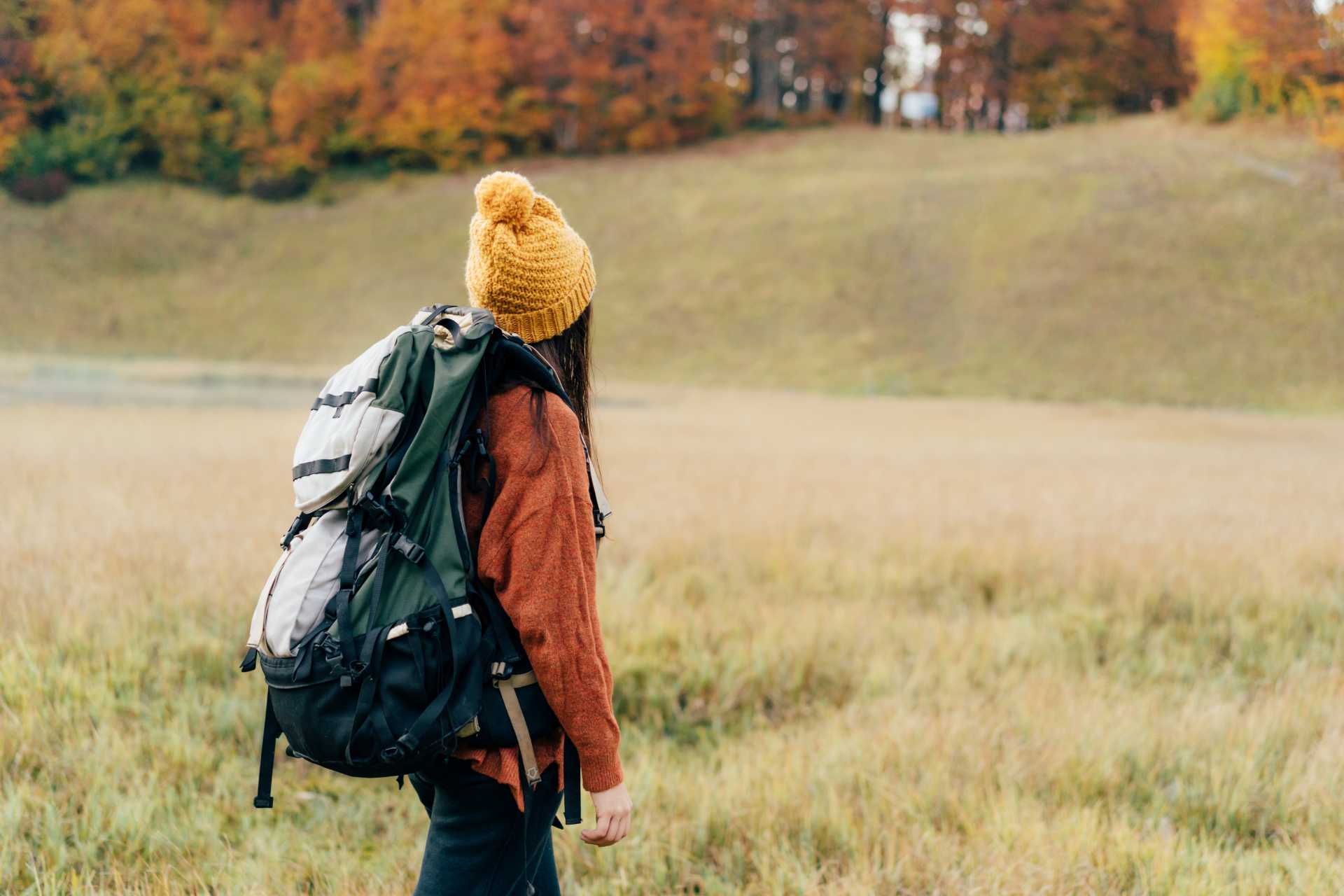
Anyone, really. Solo backpackers, retired couples, students, spiritual seekers. You’ll likely find a little bit of everyone. That’s part of the charm. Traveling with a small group creates a sense of community. It can be powerful when you’re watching the sun rise over Everest or sharing butter tea at a roadside stop. It’s not uncommon for strangers to leave Tibet as lifelong friends.
Benefits and Considerations
A well-run small group tour is efficient. You skip the hassle of figuring out permits or worrying about where to stay. Having a local guide means you’re not just seeing temples. You’re understanding them.
At the same time, group tours follow set itineraries. That gives you structure, but less flexibility. If you’re someone who likes to wander down side alleys or change plans on the fly, this might feel restrictive. In that case, a private or tailor-made trip may be a better fit.
Small Group vs. Private Tour: Which One’s Right for You?
Not everyone travels the same way. Some people love the energy of a group, others need the freedom to follow their own rhythm. Whether you join a small group tour or opt for a private one-on-one experience depends on what kind of traveler you are, and what you want from your time in Tibet.
Here’s a side-by-side look to help you decide:

| Aspect | Small Group Tour | Private Tour |
|---|---|---|
| Cost | Shared expenses make it more budget-friendly | Higher cost, but more flexibility and privacy |
| Flexibility | Fixed itinerary with minimal customization | Fully customizable schedule and route |
| Social Experience | Great for meeting people and sharing the journey | Suited for solo reflection or private companionship |
| Pace of Travel | Group pace may be slower or faster than your preference | You set the pace, break when you want |
| Support | Guide supports the whole group; some waiting time involved | Dedicated attention from your guide throughout |
| Best for | First-time visitors, budget-conscious travelers, solo adventurers | Photographers, families, spiritual seekers, or those with niche interests |
So, Who Should Choose What?
If you enjoy meeting people, want to keep costs reasonable, and don’t mind a fixed itinerary, a small group tour is likely your best bet. The group environment adds a layer of support and connection, which can be especially helpful in unfamiliar terrain.
But if you’re someone with specific goals, capturing certain monasteries at dawn, or spending more time with local artisans, then a private tour will give you the freedom to shape your own story. It’s a better fit for travelers with focused interests, limited time, or just a preference for solitude.
Either way, both paths lead to incredible experiences. It’s just a matter of how much space you want to write your own chapter.
Price Comparison: Small Group vs. Private Tours in Tibet
When choosing between a small group tour and a private one, cost often plays a big role. Based on current listings and tour operator data, here’s a general idea of what you can expect to pay for each type of experience:
| Tour Type | Average Daily Cost (USD per person) | Total Estimated Cost | Price Difference |
|---|---|---|---|
| Small Group Tour | $120 – $200 | $900 – $2,200 (for 7–10 days) | — |
| Private Tour | $150 – $260 | $2,500 – $5,000 (for similar range) | About 30–50% more expensive |
How the Costs Stack Up
- A standard small group tour typically ranges from $120 to $200 per day, depending on the route and inclusions.
- Private tours generally start around $150 per day, but can go up to $260 or more, especially if you’re customizing your itinerary or traveling during peak season.
- For longer routes like Everest Base Camp (EBC) or Mount Kailash, the difference becomes more noticeable. Small group EBC tours usually cost between $845 and $2,200, while private versions often exceed $2,500, sometimes reaching up to $5,000.
Which One Offers Better Value?
- If you’re budget-conscious and comfortable with fixed schedules and shared experiences, a small group tour offers solid value without compromising too much on comfort.
- On the other hand, if you want to travel at your own pace, make spontaneous stops, or tailor the experience around personal goals, such as photography, pilgrimage, or family needs, a private tour gives you that freedom. You’ll pay more, but you’re getting full control and privacy in return.
Whether you’re choosing based on cost, flexibility, or the kind of journey you want to have, understanding the trade-offs helps you pick the tour that truly fits.
Travel Insurance and Emergency Preparation
Don’t Skip Travel Insurance
Tibet is stunning, but it’s also remote and high in altitude. Having the right travel insurance is essential. Make sure your policy covers things like altitude sickness, emergency evacuation, and trip interruptions. It’s not about being overly cautious. It’s about being ready, so if something does happen, you’re not left sorting things out at 4,000 meters.
Emergency Contacts and Local Support
Keep your tour company’s emergency contact number on hand. Save information for local hospitals and your country’s embassy. Some operators in Lhasa provide 24-hour assistance, which can be invaluable in a difficult situation.

A Taste of Tibet
One of the best parts of the trip is the food. Tibetan cuisine is warm, hearty, and full of character. A few staples you’re likely to encounter:
- Tsampa: Roasted barley flour, often mixed with butter tea.
- Momo: Juicy dumplings filled with yak meat or vegetables.
- Thukpa: A comforting noodle soup, ideal after a long day on the road.
- Yak Butter Tea: Salty, rich, and deeply traditional. Definitely try it once.

Where to Eat in Lhasa
- Tibetan Family Kitchen: Home-style dishes and a cozy atmosphere.
- Dunya: Tibetan fusion with an international touch.
- Makye Ame: A historic restaurant with views of Barkhor Street.

Choosing the Right Tour for You
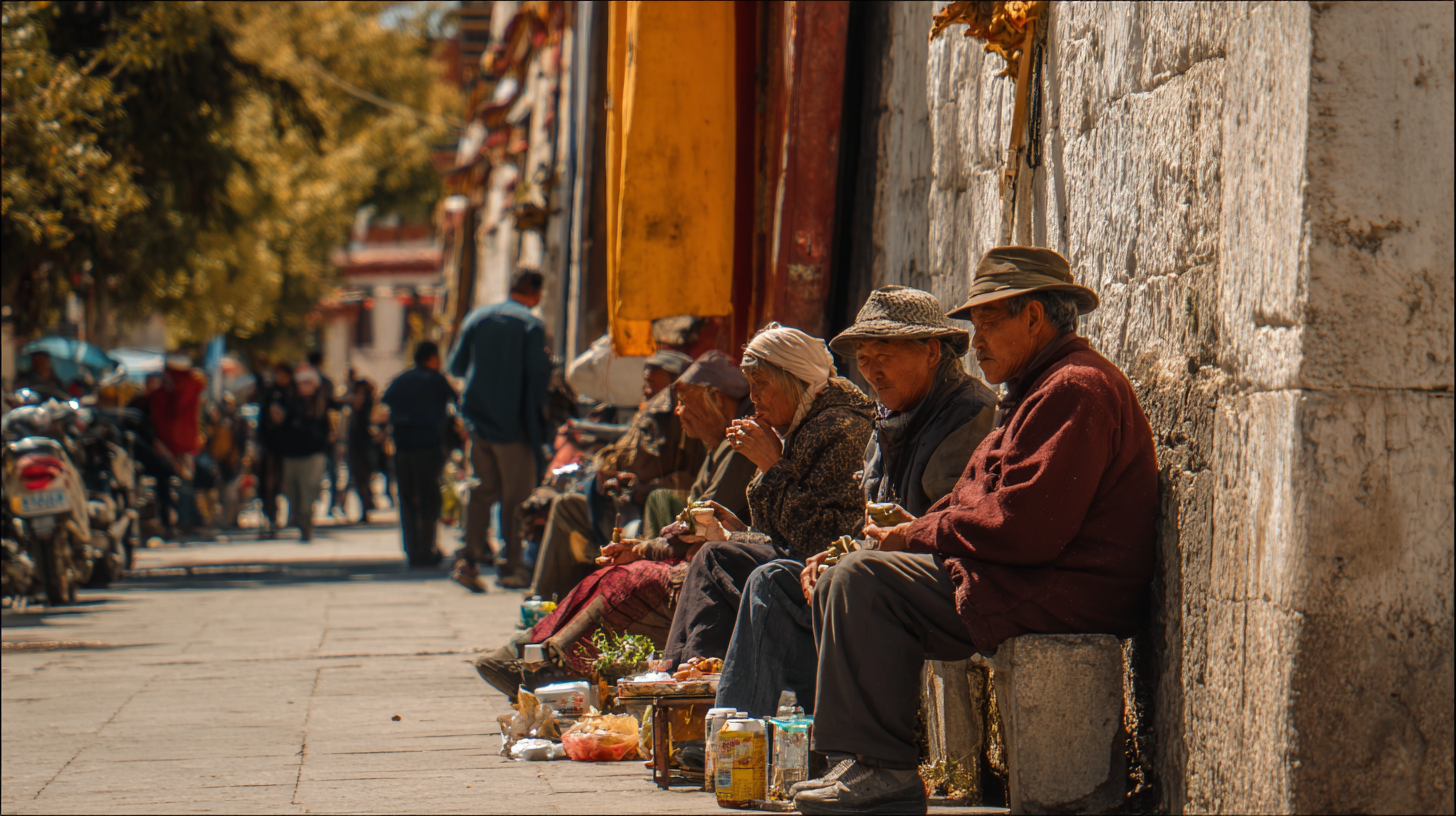
Not all itineraries suit all travelers. Some are drawn to the spiritual intensity of the Kailash kora. Others come for the dramatic scenery at Everest. Many want to explore Lhasa’s monasteries and markets. Before you book, take a close look at the route, group size, guide experience, and pace. A good tour feels thoughtful, not rushed.
Tips for a Smooth Journey
- Acclimatize in Lhasa before heading higher.
- Pack layered clothing, sunscreen, solid footwear, and any personal medications.
- Be on time for group departures to help keep things running smoothly.
- Use your free time to wander, snack, or simply rest.
Final Thoughts
A small group tour in Tibet isn’t just about checking off famous places. It’s about joining a journey that leaves a mark. From shared sunrises to quiet moments over a bowl of thukpa, you’ll return home with stories, connections, and a deeper sense of what it means to travel through the Roof of the World.