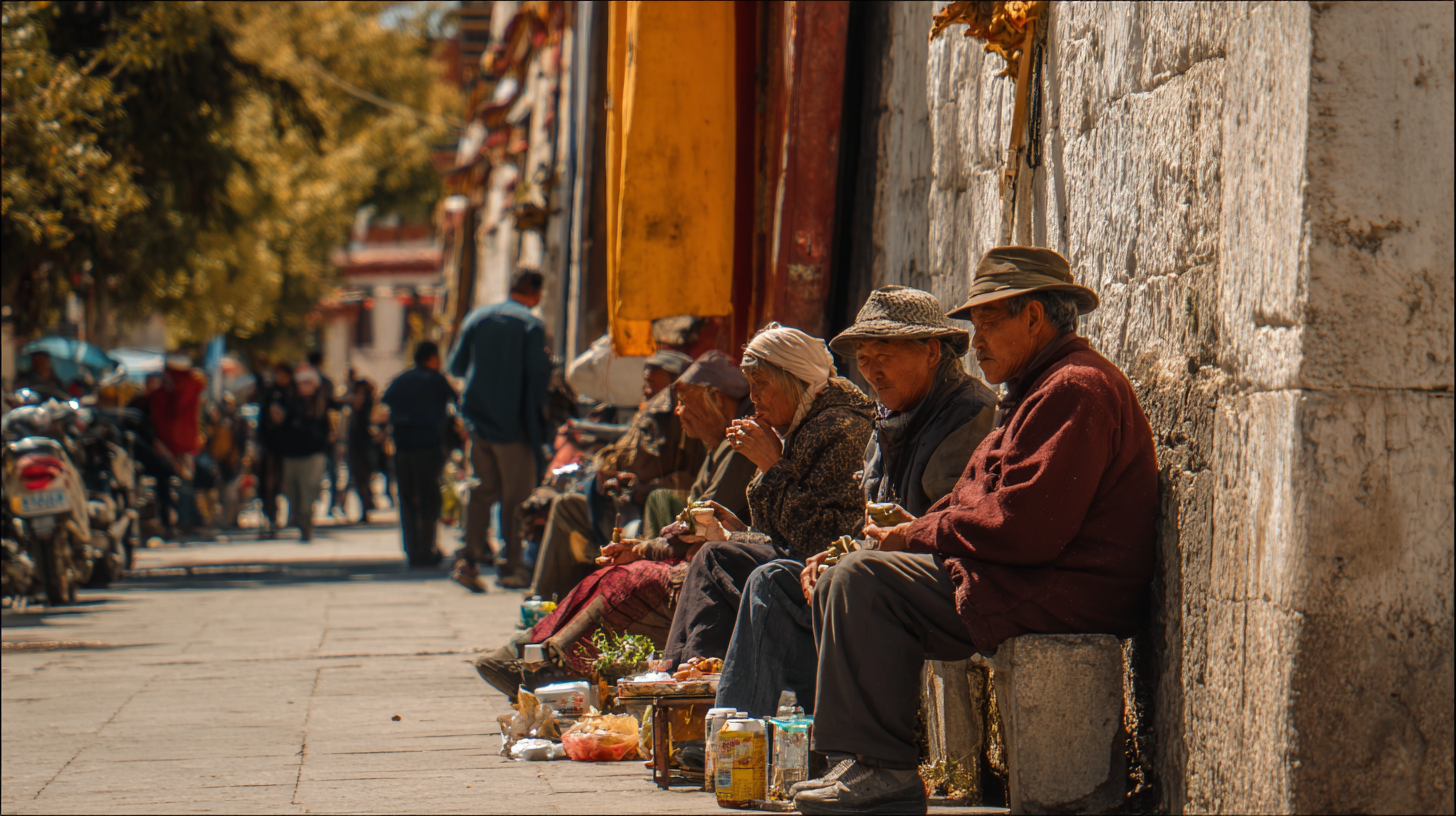
Tibetan butter tea, known locally as Po Cha (ཇ་བསྲུབས་མ་), is much more than a beverage. Rooted in centuries-old traditions, this savory drink made from tea leaves, yak butter, and salt is a cultural symbol of resilience, hospitality, and high-altitude survival. Whether you are planning a trip to Lhasa or simply curious about Tibetan culture, this comprehensive guide will take you through everything you need to know about butter tea: from its health benefits and traditional uses to how you can make it at home.
What is Tibetan Butter Tea?
Tibetan butter tea is a traditional hot drink consumed daily by people living on the Tibetan Plateau. Unlike the sweet teas familiar to most people, butter tea has a salty, creamy flavor that can be surprising at first sip. It is made by boiling brick tea, then blending it with yak butter and salt, traditionally in a wooden churn. This dense, hearty beverage is essential for surviving the cold, dry climate and has evolved over centuries to meet the needs of high-altitude life.
Butter Tea vs. Sweet Tea: What’s the Difference?
While both beverages are cornerstones of Tibetan life, they serve very different purposes.
- Butter tea is dense, warm, and rich in calories, ideal for the high-altitude cold. It is savory and functional, meant to energize and nourish.
- Sweet tea, known as Qabadi, is brewed with black tea leaves and sweetened with sugar or condensed milk. It is typically lighter, sweeter, and more refreshing, often enjoyed in teahouses as a dessert-like beverage.
Cultural and Religious Importance
Butter tea is deeply integrated into Tibetan social and spiritual life. It is served to guests as a sign of respect, shared among monks during teachings and debates, and offered during religious festivals. Beyond nourishment, the drink binds families and communities, playing a central role in daily interactions and rituals.
Health Benefits of Butter Tea

Altitude Adaptation
Butter tea is widely recommended to tourists visiting high-altitude destinations such as Mount Everest or Mount Kailash. The rich fat content and warmth of the tea help regulate body temperature and provide essential energy to combat altitude sickness, which can manifest as headaches, fatigue, nausea, and dizziness.
Moisturizing Effects
Tibet’s winters are notoriously dry. Locals often apply a thin layer of cooled butter tea to exposed skin, especially the face and hands, to prevent cracking and dryness. The natural fats from yak butter are known to soothe irritation and lock in moisture, functioning almost like a natural balm.
Instant Energy and Warmth
Butter tea provides quick calories essential for laborers, nomads, and herders who work in freezing conditions. Its warm, creamy nature also makes it a psychological comfort during the relentless cold.
Traditional Preparation Method

The process of making authentic Tibetan butter tea is completely handmade and labor-intensive:
- Brick tea is boiled for hours until it forms a strong, dark brew.
- The tea is poured into a wooden churn called a dongmo.
- Yak butter and a pinch of salt are added.
- The mixture is churned vigorously up and down until emulsified.
- The tea is then reheated and served hot.
Visual Experience: The Making of Butter Tea
If you’re interested in how Tibetan butter tea is made, the following video provides a detailed demonstration:
Making the Yak Butter
Yak butter is also crafted through a traditional method. Fresh milk is collected from yaks or goats, then poured into a long wooden churn. The churn is agitated hundreds of times until the milk separates into butter and whey. The resulting golden butter is scooped out, shaped, and stored in leather pouches or wooden containers. This butter is high in natural fats and slightly pungent, perfect for the tea.
Modern and At-Home Alternatives
Not everyone has a yak or a wooden churn, but you can still enjoy butter tea at home with common ingredients. Here’s a simplified recipe:
Ingredients
- Brick tea or strong black tea
- Unsalted butter (substitute for yak butter)
- Salt
- Optional: milk
Steps
- Brew a strong pot of black tea.
- Pour it into a blender, add a small spoonful of butter and a pinch of salt.
- Blend for 30 seconds until frothy.
- Reheat and enjoy.
Feel free to adjust the ratios to your taste; it might take a few tries to find your preferred blend.
Social Etiquette Around Butter Tea

When drinking butter tea in a Tibetan home, etiquette matters. Guests typically receive a bowl with both hands, supporting it with the left hand underneath and lifting it with the right. It is common to smell the aroma before sipping as a respectful gesture. Politeness dictates sipping slowly and leaving a little tea at the bottom to show appreciation and allow the host to refill the bowl.
Butter Tea as a Souvenir
Due to its cultural value and unique taste, butter tea has become a popular souvenir for tourists. Instant powdered versions are widely available in markets across Lhasa and other Tibetan towns. These packages often include directions for brewing and allow travelers to recreate the experience at home. The souvenir version encapsulates not only the flavor but also the cultural significance of the beverage.
Conclusion
Tibetan butter tea is more than just a drink; it is a cultural emblem shaped by geography, history, and tradition. Whether shared during religious festivals, served to weary travelers, used as a skin remedy, or packed home as a souvenir, butter tea represents the heart of Tibetan life. If you ever visit Tibet, don’t miss the chance to sip this iconic beverage. It is a taste of the plateau’s enduring spirit and a window into the soul of its people.