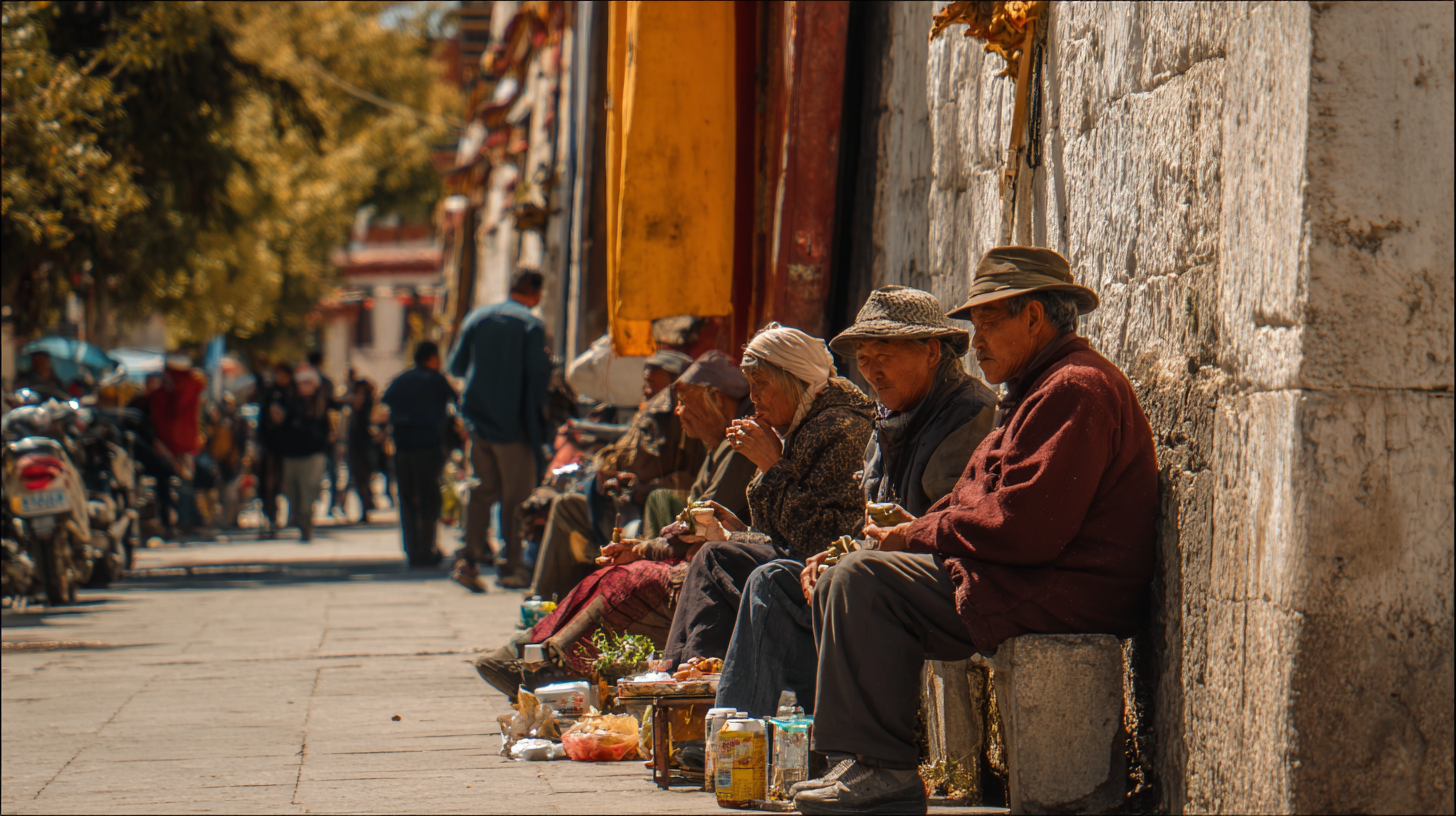
In the harsh climate of the high plateau, the Tibetan people developed a unique system of tableware and cookware that serves practical needs while carrying deep cultural meaning. This article explores historical origins, primary materials, common forms, and cultural significance, guiding you through the rich variety of Tibetan utensils and offering tips on selection and care.
Historical Background of Tibetan Tableware and Cookware
Tibet’s high elevation and limited transportation meant that early Tibetans relied on locally available resources to craft their utensils. From Neolithic handmade pottery to later metal vessels, each material emerged in turn, complementing what came before. Archaeological finds at the Karuo site include pottery bowls and pots, evidence that Tibetans used ceramics for cooking and storage. Once bronze and iron technologies arrived, metal cookware and tableware became increasingly common, many adorned with intricate decorations that have endured through generations.
Evolution of Early Pottery

At the Karuo site, archaeologists uncovered numerous pottery basins, bowls, and jars, with origins more than 4,600 years ago. Large, flat-bottomed basins likely served to cook food or store grains; many bear traces of smoke, indicating their use over open flames. Smaller, deep-bodied jars were ideal for storing and pouring liquids such as water or butter tea. Made from local red clay or special clays, these vessels were shaped by hand or using simple wheels. Though fragile, they fulfilled basic cooking and serving functions. Even today, traditional pottery bowls can be purchased in Tibetan markets, still used in monasteries and village homes.
The Rise of Metal Utensils
When iron and copper technologies arrived, Tibetan cookware evolved to include iron pots, copper cauldrons, silver bowls, and copper jugs, each combining artistic merit with practical function. Iron pots, with their thick bases, could maintain high heat using scarce fuels like dried dung or twigs, making them ideal for slow-simmering yak or sheep meat and cooking tsampa porridge. Copper vessels, often found in noble households and monasteries, offered better heat retention; their bodies frequently feature engraved Tibetan motifs and sometimes gilded accents, making them both durable and visually striking. Silver bowls, reserved for religious rituals and noble feasts, symbolized prestige and offered natural antibacterial properties along with a reflective sheen.
Primary Materials of Tibetan Tableware and Cookware

Wooden Implements
Among Tibetan utensils, the wooden bowl is perhaps the most ubiquitous. Known in Tibetan as “za pu za ya” (root burl) or simply “wooden bowl” (ka-bar zho-pa), these bowls are lightweight, durable, and provide excellent insulation—qualities that suit nomadic life. Their production follows a meticulous process:
- Selecting the Wood: Craftsmen choose birch or other hardwoods with fine grain and no visible cracks.
- Air Drying: Logs are kept in a well-ventilated area for three to six months until moisture content is optimal, reducing the risk of future cracking.
- Rough Turning: The wood is shaped into a basic bowl form using a lathe or hand tools.
- Fine Sanding and Polishing: Successive grades of sandpaper smooth out any imperfections, leaving a silky surface.
- Applying Finish: Natural plant oils or beeswax are rubbed onto the surface, enhancing waterproofing and imparting a warm sheen.
Wooden bowls come in various styles according to use and craft:
- Large Bowls: Generous in diameter and depth, these hold tsampa porridge, yak meat stews, or barley gruel; they can feed several people at once.
- Small Bowls: Compact and easy to carry, ideal for individual servings of tsampa, soup, or roasted tsampa.
- Covered Bowls: Fitted with a lid to retain heat, these bowls are perfect for drinking butter tea in cold weather and protect the contents from dust or insects.
- Trough Bowls: Elongated shapes that serve as containers for spices, seasonings, or dry goods; they also act as temporary holders for oil blocks or utensils during cooking.
Beyond drinking butter tea and eating tsampa, wooden bowls double as storage for spices, seasonings, and small provisions. Whether used by a herdsman on the move or a monk at the monastery, a wooden bowl remains close at hand throughout the day—warm tea at dawn, a handful of tsampa at noon, and broth at dusk. For many families, a single wooden bowl passed down through generations symbolizes both continuity and the bond between people and land.
Ceramic Implements
Tibetan ceramics trace back more than 4,600 years. Early inhabitants molded bowls, basins, and jars from local red or special clays by hand or simple potter’s wheels. Key items include:
- Ceramic Pots and Basins: Used to cook tsampa porridge or simmer yak meat. In the absence of metal pots, these clay vessels were buried partially in the ground and heated with twigs or dung, providing surprisingly effective cooking.
- Ceramic Jars and Storage Vessels: Employed for storing grains such as barley, pickling vegetables, or preserving roasted tsampa. Their snug seals helped keep contents dry and fresh.
- Handmade Ceramic Bowls: Still found in remote villages, these bowls have a rustic, matte texture and serve both functional and decorative roles in monasteries and homes.
From the Ming dynasty onward, Han-Tibetan cultural exchange introduced fine blue-and-white porcelain and painted ceramics into Tibet. While such imported wares remained rare items in noble households, present-day markets offer a variety of printed or hand-painted Tibetan-style ceramic bowls that blend traditional motifs with modern craftsmanship, appealing particularly to visitors.
Metal Implements
With the advent of metalworking, Tibetan households and monasteries embraced iron, copper, and silver for their cookware:
- Copper Vessels and Lidded Bowls: Copper was relatively abundant and easily worked. The lidded copper bowl (ngag ka chhog) became a staple in noble homes and temples for serving butter tea or other hot beverages; its lid kept contents warm, and engraved patterns or gilded trim enhanced its status.
- Silverware: Reserved for ritual use and elite banquets, silver bowls (drin chhog) conveyed nobility. Silver’s resistance to oxidation and its luminous surface made it ideal for holding sacred offerings, and many of the silver bowls used by high lamas were sent as royal tribute to Beijing during the Qing dynasty.
- Iron Pots: Known for their thick bases and sturdy design, iron pots excelled at cooking with minimal fuel—often yak dung or dried branches—making them indispensable in herding communities. Their durability and heat retention let families prepare hearty meals in challenging conditions.
In recent decades, aluminum cookware and plastic bowls have become more common in urban areas, yet the true cultural and artisanal value remains rooted in wooden, ceramic, and traditional metal utensils.
Common Tibetan Tableware and Cookware
Tibetan Wooden Bowls
Tibetan wooden bowls exhibit subtle variations shaped by gender and social rank. Men’s bowls tend to be broader and sturdier (known in Tibetan as dbu chhog), suitable for hearty, oily foods, while women’s bowls are more slender and elegant (gzigs chhog), designed for lighter hands. At the pinnacle of craftsmanship sits the root burl bowl (za pu za ya), carved from the knotted root of an aged tree; its natural grain offers excellent insulation and a unique beauty. Many families embellish wooden bowls with silver bands or copper inlays at the rim, using them to signal wealth and status.
Daily life in Tibet is punctuated by the wooden bowl: a herder sipping butter tea at dawn, a pilgrim enjoying tsampa at midday, or a monk receiving offerings in a monastery courtyard. When nobles travel, they often carry a wooden bowl engraved with their official emblem as a statement of rank.
Butter Tea Utensils

Butter tea (Po-cha) is more than a drink; it is sustenance in cold, high-altitude conditions. The centerpiece of this ritual is the butter barrel, made up of two main parts:
- Barrel Body: Crafted either from wood or copper, it holds between one and two liters. Wooden barrels use treated birch, protected with oils or waxes; copper barrels are cast and then hammered for durability, often adorned with Tibetan script or auspicious motifs.
- Blender (Tea Whisk): A long-handled tool of hardwood roughly forty to fifty centimeters long, ending in a cluster of narrow prongs. Wielded vigorously, it froths the tea and butter into a creamy emulsion. Some whisks feature braided wool or colorful threads around the handle, providing both grip and decoration.
Making butter tea unfolds as follows:
- Brew the Tea: Bring water to a boil and add tea bricks or loose tea leaves, simmering until the liquid deepens to a rich brown.
- Strain the Tea: Pour the brew into a separate container, filtering out all tea particles with a bamboo strainer or fine sieve.
- Add Yak Butter, Salt, and Spices: While the tea is still piping hot, stir in two to three generous spoonfuls of yak butter, a pinch of salt, and—for those wishing to elevate the flavor—a few peppercorns, a stick of cinnamon, or a pinch of saffron.
- Whisk Until Emulsified: Transfer the mixture into the butter barrel and use the whisk to beat it for a minute or two; only when the liquid turns milky white and thick will it be ready.
- Serve in a Bowl: Carefully pour the blended tea into a wooden or silver bowl and enjoy its warmth immediately.
Mastering butter tea is an art passed down through generations. Too little whisking leaves floating butter; too much salt overpowers the tea. Each family guards its own ratio and technique, making this simple beverage a key gateway to understanding Tibetan culture.

Wood and Copper Tea Vessels
Before metalworking became widespread, Tibetans relied on wooden tea vessels to prepare and serve butter tea. These wooden tools insulate well, protecting the hands from heat, and often bear simple carvings reflecting rural tastes. As copper craftsmanship spread, more households—especially in towns and monasteries—shifted to copper tea vessels for their strength and superior heat retention. Still, in remote pastoral regions, wooden tea tools remain indispensable for their light weight and ease of handling.
Metal Cookware

- Iron Pots and Copper Cauldrons: The iron pot, with its heavy gauge and robust lid, made it possible to cook large quantities of meat or tsampa with minimal fuel—often yak dung, dried shrubs, or twigs—to maintain high heat. Copper cauldrons, reserved for nobles and temples, were used to prepare grand feasts or ritual meals; their smooth surfaces might bear etched patterns or gilded accents, combining functionality with ceremonial elegance.
- Silver Bowls and Plates: Beyond religious offerings, silver ware also appeared at major festivals and elite gatherings. During Losar (Tibetan New Year) and other important celebrations, silver vessels held tsampa porridge, fried dough fritters, and barley wine (Chang). The gleaming silver signaled respect for guests and a link with sacred traditions.
Stone Mill and Wooden Pestle
Tsampa (roasted barley flour) is the cornerstone of Tibetan sustenance, and the stone mill (made from granite or sandstone) is essential to its preparation. Small enough to transport yet substantial enough to grind handfuls of roasted barley, these mills turn by hand until the grain becomes fine powder. The accompanying wooden pestle, carved from hardwood, exerts firm pressure, crushing grain between the mill’s surfaces. This tactile process—hands-on and rhythmic—embodies the value Tibetans place on craftsmanship and the bond between people and the earth.

Cultural Significance of Tibetan Tableware and Cookware
Symbols of Status and Identity
In early Tibet, local officials carried a distinctive set known as “gya cha bu kye,” which paired a meat-cutting knife with a wooden bowl. This kit served as a visible emblem of rank, signaling authority wherever the official went. Similarly, high lamas and the Dalai Lama used silver bowls and plates to underscore their spiritual stature. Beyond bureaucracy, many families treat a well-crafted wooden bowl as a treasured heirloom. When a bowl travels from one generation to the next—sometimes accompanied by a blessing—it represents a tangible link between ancestors and descendants.
Use in Religious and Ritual Contexts
In monasteries, silver bowls play a vital role in ceremonies. They hold butter tea, tsampa, and holy water, offerings that sustain monks and honor the Dharma. Ornate silver vessels on the altar convey reverence toward deities, each gleaming bowl expressing a prayer for well-being. During Losar, Saga Dawa, and other festival days, the convergence of copper cauldrons, silver plates, and wooden bowls symbolizes both abundance and devotion, uniting community and faith around a shared table.
Daily Life and Customs
Across the pastoral landscapes and village settlements, Tibetans habitually carry wooden bowls and pestles in their packs or pockets, ready at any moment for a warm cup of butter tea or a portion of tsampa. This practice reflects a practical spirit—utensils always at hand—as well as a philosophical embrace of simplicity. Handcrafted utensils, whether carved from wood, shaped from clay, or beaten from metal, become extensions of identity. Many artisans imbue their work with traditional motifs, adding subtle carvings or embossed forms that balance function with beauty.
How to Experience and Purchase Tibetan Tableware and Cookware

Local Markets and Workshops
To immerse yourself in Tibetan craftsmanship, consider visiting:
- Barkhor Street in Lhasa: A lively maze of shops where you can find wooden bowls, copper pots, silverware, and handcrafted ceramics. Artisans often demonstrate care techniques and explain how to identify genuine materials and superior workmanship.
- Markets Surrounding Tashilhunpo Monastery in Shigatse: A hub of craftsmen specializing in silver and copper utensils, many pieces bearing intricate Tibetan script or auspicious patterns.
- Handicraft Markets in Nyingchi: Vibrant stalls offering everything from root burl bowls to painted ceramics, all celebrating Tibetan tradition in modern forms.
Recommended Souvenirs
- Root Burl Wooden Bowl (Za Pu Za Ya): Carved from the knotted root of an old tree, these bowls exhibit natural grain patterns and exceptional insulating properties. As a gift, they symbolize blessings and enduring connection.
- Tibetan Silver Bowl Set: Often including a bowl, a lid, and a matching stand, these sets bear inscribed mantras or auspicious symbols. Ideal for tea or display, they capture the spiritual essence of Tibetan culture.
- Handmade Ceramic Tsampa Bowl: Fashioned from red clay, these bowls retain a rustic, matte finish that evokes the raw spirit of daily Tibetan life. Their understated charm makes them perfect for those who appreciate authenticity.
Care and Maintenance Tips
- Wooden Bowls: Rinse with warm water after use, avoiding prolonged soaking. If the surface cracks, rub in a small amount of plant-based oil (such as walnut or tea seed oil) to nourish the wood. Store away from direct sunlight and damp conditions to prevent mold and warping.
- Metal Utensils: Rinse copper and silver items with clean water, then dry thoroughly with a soft cloth. For tarnish or oxidation, gently polish using lemon juice or a dedicated silver cleaner; afterward, apply a thin layer of edible oil to deter future corrosion.
- Ceramic Vessels: Handle with care to avoid chips or cracks. Clean with a soft sponge and mild dish soap; avoid metal scrubbers that could scratch the surface.
Conclusion
Traversing the snowcapped peaks and sweeping grasslands of Tibet, one encounters tableware and cookware that read like a living chronicle of cultural resilience and artistic expression. From the simplest wooden bowl and stone mill to the most finely crafted silver vessel and gilded copper cauldron, each object tells a story. To truly experience Tibetan culture, begin with a set of utensils—feel their weight in your hands, taste your meals from their depths, and let each bite or sip connect you to centuries of tradition. May this guide serve as a practical companion for anyone planning a journey through the highlands or seeking to bring a piece of Tibetan warmth home.
Reference
1. “Tibetan Ethnic Dietary Culture: Cookware, Tableware, and Drinking Vessels” ↗
2. “Tibetan Pottery: Revitalized Through Inheritance and Development” ↗
3. “Unique Tibetan Kitchenware and Drinking Vessels” ↗
4. “A Myriad of Palace Bowls: The Palace Lacks Trumpet-Shaped Bowls, but Treasures Wooden Bowls” ↗