The Distinctive Food Culture of Tibet
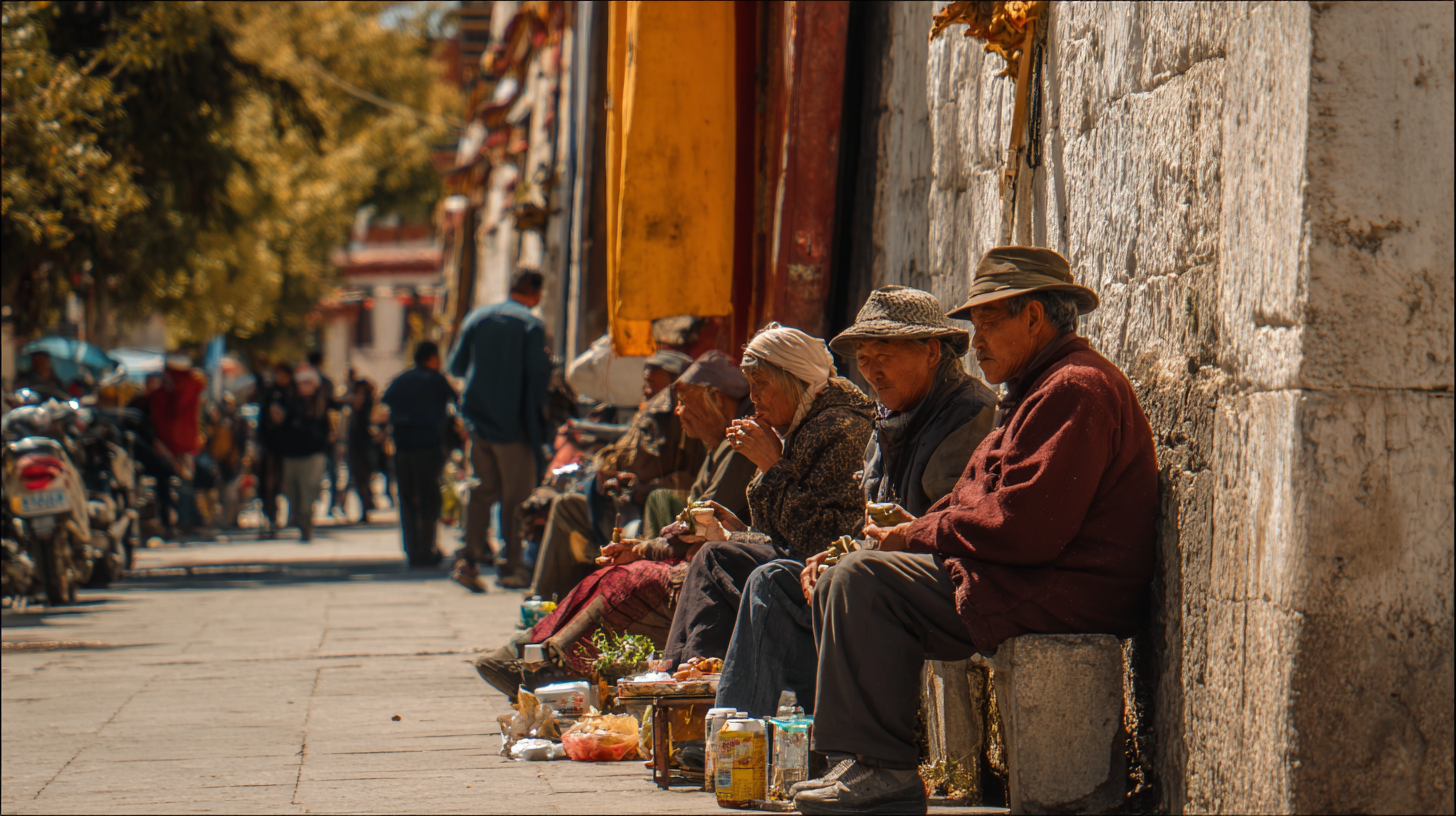
Tibetan cuisine offers a fascinating glimpse into the interplay between geography, religion, and daily life on the high plateau. More than just meals, Tibetan food reflects how people have adapted to a rugged landscape, limited crops, and spiritual beliefs rooted in Tibetan Buddhism.
Due to the high altitude and harsh climate, agricultural variety is limited. Yet over centuries, locals have created a resilient and deeply contextual culinary system that meets both the physical demands of the environment and the spiritual teachings of their faith.
Tibetan dietary habits also come with their own set of taboos. Despite the abundance of lakes, many Tibetans refrain from eating fish, as fish are considered one of the “Eight Auspicious Symbols” in Tibetan Buddhism. Similarly, driven by religious compassion, many locals avoid poultry and pork. The belief is that it is more ethical to consume one large animal than several small ones, an approach seen as reducing karmic burden.
Most Recommended Tibetan Food You Should Try
For a more detailed guide to Tibetan dishes and specialties, please check out our dedicated article that provides comprehensive information about traditional Tibetan cuisine.
Each article in this guide offers a unique perspective on Tibetan cuisine, creating a comprehensive overview of the region’s food culture.
From exploring the traditional dining customs and religious influences to providing practical dining tips for travelers, and from showcasing the best restaurants in Lhasa to highlighting must-try local specialties, these sections work together to give readers a deep understanding of Tibet’s culinary landscape.


Dining in Tibet: A Practical Guide for Travelers
Meals are a key part of travel in Tibet, not only for nourishment but also for connecting with the local way of life. While breakfast is typically included in accommodations, lunch and dinner are paid out of pocket, but your guide can always help you find the best spots to eat.
Breakfast
In Lhasa hotels, you’ll find a blend of Western and Chinese-style breakfasts. Western options often include pancakes with honey and bananas, yogurt with cereal, or eggs and sausages served with toast. Chinese breakfasts feature steamed buns, stir-fried eggs, hot vegetable dishes, and porridge. Butter tea is commonly offered, along with coffee to accommodate tourist preferences.
Outside Lhasa, breakfast tends to be simpler. Expect handmade Tibetan noodles, homemade bread with tea, or tsampa (roasted barley flour), which may be mixed into tea or served as a warm porridge. Larger guesthouses might also offer a few Chinese options.
Lunch

Though lunch is not included in tour packages, local guides are adept at recommending reliable and affordable places. Choosing eateries frequented by locals rather than tourist-heavy spots typically leads to better flavor and pricing. Tibetan restaurants often serve a mix of Tibetan, Sichuan, and Indian dishes, and occasionally Western food.
In Lhasa, it’s wise to avoid the touristy zones around Potala Palace and Jokhang Temple when looking for lunch. Hidden gems in less commercial neighborhoods provide more authentic flavors. Outside the capital, except for places like Shigatse, full-service restaurants are rare, but roadside eateries and guesthouses often prepare nutritious hot meals.
Carrying a few instant meals or cup noodles is also a smart backup for long travel days or remote locations.
Dinner
In Lhasa, dinner can be a cozy hotel affair or a culinary adventure. The city offers a range of restaurants serving everything from Western and Chinese dishes to Indian, Nepalese, and spicy Sichuan fare. Homesick travelers can even find pizza, hot dogs, and hamburgers on some menus.
Elsewhere in Tibet, decent dinner options are still available, especially if you coordinate with fellow travelers and agree on a place ahead of time. Sharing a meal together not only satisfies the palate but also strengthens the sense of camaraderie. Guides are typically well-informed and can suggest the best dining options near your lodging.
Where to Find the Best Tibetan Cuisine in Lhasa
If you’re hoping to taste the most acclaimed Tibetan cuisine in Lhasa, stepping into the Barkhor Street area already gets you halfway there. Among the names most frequently mentioned by travelers is Tibetan Family Kitchen, a cozy spot that feels just like an extension of someone’s home dining table. The owners warmly welcome guests in English, Chinese, and Tibetan. Once a plate of yak momo (yak meat dumplings) or a bowl of buttery, fragrant Amdo noodles hits the table, it’s hard not to order another round.
For those looking for a more spacious setting with a menu spanning Tibetan, Nepali, and Indian flavors, Snowland Restaurant, just off South Barkhor Street, is the go-to. Their signature yak soup and curry rice are favorites, even local guides recommend them. After your meal, climb up to the second-floor window seats and take in the golden rooftop of Jokhang Temple, a feast for both stomach and eyes.
Experiencing Lhasa’s Sweet Tea Culture Like a Local
If all you want is to soak up the most authentic “sweet tea moment,” then squeezing into a local tea house with Lhasa residents is a must. On Beijing Middle Road, Gyangze Sweet Tea House is packed almost all day, where a cup of sweet tea costs just 1 RMB. Between sips, you’ll hear friendly chatter from nearby tables and feel the charm of a space as simple as a cardboard box.
Meanwhile, the Revolution Sweet Tea House, which opened back in the 1980s and now has several branches around the stadium area, is known not just for tea but for its rich Tibetan noodles. Still, insiders know the real treat is pairing that tea broth with a hot beef pastry. Grab a long bench, settle in, and let the creamy scent of milk tea and hum of conversation stretch time itself. In Lhasa, you’ll realize, slowness isn’t just a pace, it’s the only pace that feels right.
Top Vegetarian Gems in Lhasa
Holy Land Vegetarian Restaurant
Tucked in a quiet lane just north of the Potala Palace, Holy Land opened in 2005 and has since become a haven for travelers seeking calm after a day among rooftop prayer flags. The dining room is smoke-free and alcohol-free, the atmosphere hushed. Here, you can nurse a bowl of creamy tsampa soup at high-altitude pace, letting the nutty barley flavor settle while the city’s thin air reminds you to breathe slowly.
Nianglu Vegetarian Buffet
A short stroll away in Raosa Alley, Nianglu offers a high-plateau take on the “all-you-can-eat” spread. Rows of crunchy mahua twists, springy qingke noodles, and vibrant Tibetan salads appear like prayer wheels of color. The only real risk is spinning past the dishes faster than your appetite or your budget can keep up.