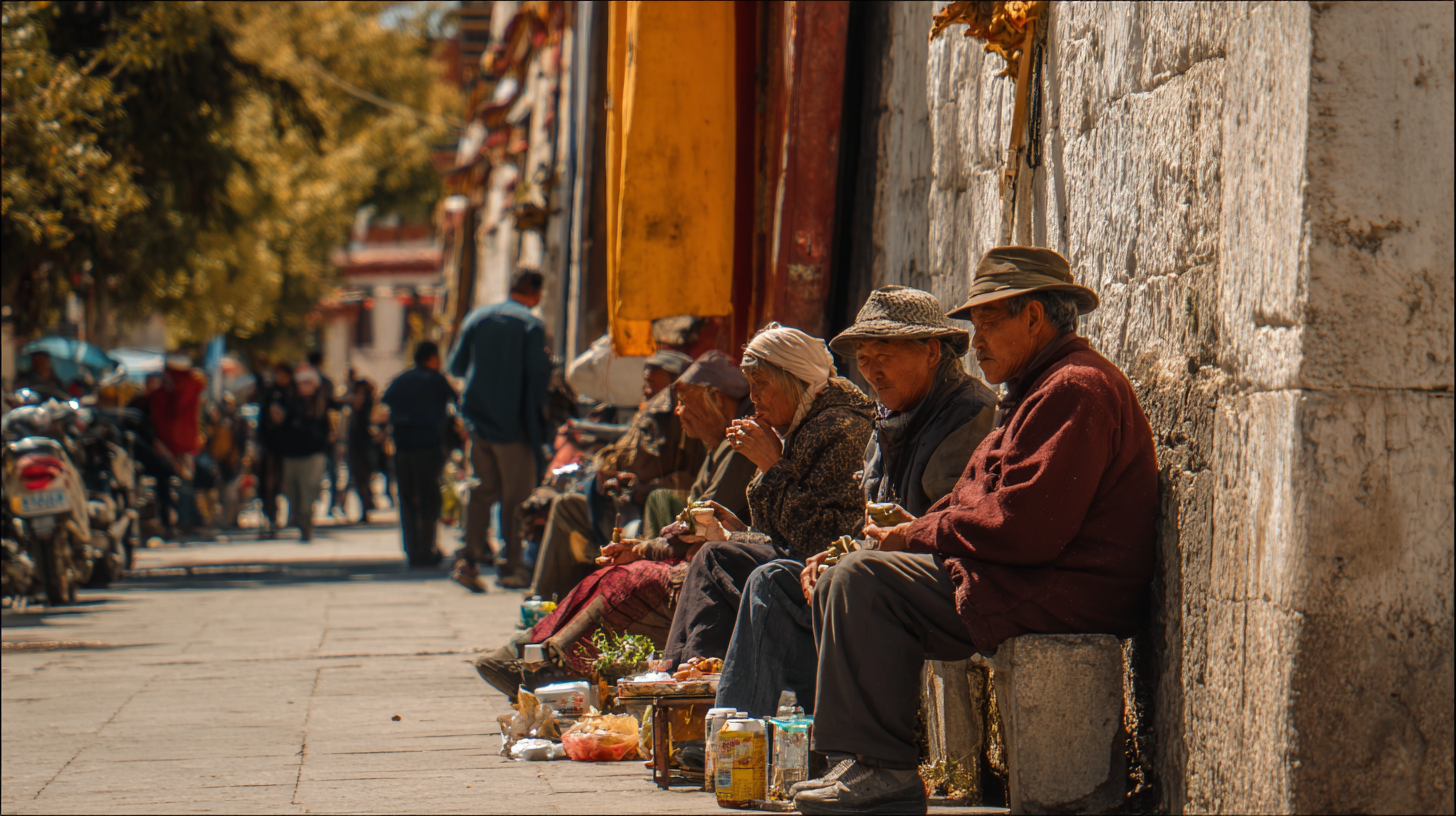
Tibetan cuisine is not just a way to feed the body; it is an invitation into the highlands of the human spirit. Shaped by the majestic yet unforgiving environment of the Tibetan Plateau, the food reflects resilience, spirituality, and a deep connection to nature. For travelers, exploring Tibetan dishes is as much about flavor as it is about understanding a way of life that has endured for centuries.
A Landscape That Shapes a Cuisine
Tibet’s remote geography and harsh climate play a central role in what grows and what gets eaten. The nearly frozen ground, year-round wind, and thin air demand hardy crops and efficient nourishment. The result is a diet that leans on a few key ingredients: highland barley, yak meat, and dairy products such as butter and cheese. These basics form the foundation of Tibetan cooking, often combined in warm, hearty dishes that provide energy and comfort.
Religion also guides many food choices. Tibetan Buddhism places great emphasis on compassion and respect for life. This belief leads many Tibetans to avoid eating fish, despite the abundance of lakes across the region, because the fish is a sacred symbol in Buddhist teachings. Others refrain from poultry or pork, choosing instead to consume larger animals that can feed more people with fewer lives taken.
The Tibetan Day: Meals at High Altitude

Breakfast in Lhasa hotels typically mirrors international expectations. You might find pancakes with bananas and honey, yogurt, cereals, or eggs with toast. Chinese-style options often include dumplings, scrambled eggs with tomatoes, vegetables, and congee. Tibetan tea is ever-present, though coffee is usually available too.
Outside the capital, mornings may begin with simpler fare. Noodles in meat broth, local flatbread with tea, or tsampa mixed with butter tea are common. Guesthouses in remote areas may offer modest Chinese options, but Tibetan staples dominate.
Lunch is usually not part of tour packages, but guides can suggest excellent local eateries. Small family-run places offer good value and an authentic experience. In Lhasa, it is worth stepping away from tourist hubs like Barkhor Street to find meals that are both more affordable and more flavorful. Outside major cities, the best food often comes from village guesthouses or small cafés, where meals are warm, filling, and perfect for the cold weather. Carrying some backup snacks, such as instant noodles or trail mix, is also a smart move.
Dinner offers a chance to explore even more variety. Hotels in cities usually have restaurants with a range of cuisines—Tibetan, Chinese, Indian, Nepalese, and even Western fare. Travelers often gather to share meals and stories. Your guide will likely know the best places to go in each town you stay in.
Most Recommended Tibetan Foods to Try
Some dishes in Tibetan cuisine go beyond sustenance; they are cultural symbols, daily rituals, and deeply personal experiences. Whether you’re traveling through Lhasa or tasting Tibet from your own kitchen, these are the essential flavors to seek out.
Butter Tea

Butter tea, or po cha, is perhaps the most iconic drink in all of Tibet. Unlike anything in Western cuisine, it combines strong tea leaves, a pinch of salt, and a generous helping of dri (female yak) butter. The ingredients are churned together until the tea takes on a rich, creamy texture.
More than a beverage, butter tea is warmth in a bowl—both literal and cultural. It helps locals combat the cold, dry winds of the plateau, provides calories for endurance, and even protects lips from chapping. Tibetan hosts often refill your bowl as soon as you take a sip, so etiquette dictates that you drink slowly and only finish when you’re ready to leave. This small act of sharing tea holds deep social meaning.
Momo

Momo are Tibetan dumplings that have become beloved throughout the Himalayan region. These plump, crescent-shaped bites are typically filled with yak meat, beef, or vegetables, then steamed or fried to perfection. They’re often served with a spicy chili sauce on the side.
Momo are more than street food; they are a comfort dish, a celebration snack, and a common meal for all ages. The dough is soft but hearty, the filling rich with ginger, garlic, and onions. Eating momo is an experience in texture and temperature—a burst of flavor in every bite, especially welcome after a long day of trekking or temple visits.
Tibetan Yogurt

Tibetan yogurt has been part of the local diet for over a thousand years. Unlike the tart, often sugary versions found in the West, this yogurt is thick, creamy, and mellow. Made from yak or dri milk, it has a subtly sweet taste with a naturally rich body that makes it both nourishing and satisfying.
Every year, Tibet celebrates the Shoton Festival—also known as the Yogurt Festival—where people enjoy this delicacy alongside opera performances and community gatherings. In local tea houses and family kitchens, yogurt is often eaten plain, as a snack, or with tsampa for a balanced meal.
Tsampa

Tsampa is the most essential and symbolic food in Tibet. Made by roasting highland barley and grinding it into a fine flour, tsampa is typically mixed with butter tea to form a dough-like ball, then eaten by hand.
It is portable, filling, and requires no cooking, which made it a staple for nomads and pilgrims for generations. While its flavor is mild—nutty, slightly earthy—it carries cultural weight. Tsampa is offered in rituals, shared in households, and packed for every journey. To eat tsampa is to understand the practical and spiritual rhythm of Tibetan life.
Other Signature Tibetan Dishes You Should Try
- Yak Meat and Mutton: These high-protein meats are essential to life in Tibet. Yak is more common than beef, and its slightly sweet, rich flavor makes it ideal for drying, stewing, or grilling. Mutton is also widely used. Dried strips of meat, similar to jerky, are popular among nomads and tourists alike.
- Tibetan Noodles (Thukpa, Thenthuk): Comforting and satisfying, Tibetan noodle soups include hand-pulled noodles, diced vegetables, and meat in a savory broth. They are often eaten for breakfast or lunch, and pair well with tsampa.
- Sausages: Tibetans make a wide variety of sausages, including blood, liver, white, and flour sausages. The flavors can be intense, but they are a local delicacy that reveals the resourcefulness of highland life.
Tibetan Drinks: Warming the Body, Rooting the Culture
- Sweet Tea: Sometimes called the “blood of Lhasa,” sweet tea is brick tea boiled with sugar and milk. Loved by locals and tourists alike, it is served in bustling tea houses and considered a social staple.
- Chang (Barley Wine): Tibet’s traditional fermented barley drink, chang is mildly alcoholic and slightly sweet. It is served during festivals, weddings, and social visits, and every family has their own brewing method.
Food Culture and Etiquette
Food in Tibet is not just nutrition; it is hospitality, history, and heart. Sharing a meal with locals provides insight into their worldview. Eating tsampa with butter tea may feel foreign at first, but it connects you to centuries of tradition. The act of sipping tea, slowly and respectfully, carries meaning far beyond taste.
Tibetan hospitality often involves continuous refilling of your tea bowl. If you’re not ready to drink more, do not finish your tea too quickly. Politeness means drinking slowly and allowing your host to offer more.
Nightlife in Lhasa: Modern Rhythms in an Ancient City
As the sun sets over the Potala Palace, Lhasa comes alive in its own quiet way. Tea houses, cafes, and bars welcome locals and travelers alike. Popular spots like Makye Ame offer great views, Tibetan décor, and live performances. Ganglamedo hosts dance shows and traditional opera, while The Backpacker and Low House Music Bar cater to international visitors with music, stories, and hearty food.
Bars here are calm and cozy rather than wild. Still, travelers should avoid alcohol until they are acclimatized to the altitude; even mild drinks like chang can hit harder when oxygen levels are low.
Conclusion
Tibetan cuisine is not about extravagance; it is about depth. Each dish tells a story of geography, spirituality, survival, and joy. Whether you are savoring a simple bowl of thukpa in a village guesthouse or sipping butter tea in a mountain home, you are taking part in a culture that honors every ingredient and every guest.
Let Tibetan food be your compass; it leads not just through valleys and monasteries, but into the heart of what it means to live fully, even in the world’s most rugged places.
If you would like, I can help design this as a visual article layout or infographic guide for web publishing.