Tibet, with its breathtaking landscapes and rich cultural traditions, offers unique experiences throughout the year. Planning your visit requires a good understanding of its climate, which is shaped by high altitude, intense sunlight, and low humidity. The best time to explore Tibet is generally between April and October, but each season has its own charm and considerations. Tibet tourism varies throughout the year, influenced by seasonal changes and cultural events.
Tibet Monthly Temperature Table
Lhasa
| Month | Jan | Feb | Mar | Apr | May | Jun | Jul | Aug | Sep | Oct | Nov | Dec |
|---|---|---|---|---|---|---|---|---|---|---|---|---|
| Max Temp (°C) | 6.8 | 9.2 | 12 | 13.7 | 19.7 | 22.5 | 22 | 20.7 | 19.6 | 16.4 | 11.6 | 7 |
| Min Temp (°C) | -10.2 | -6.9 | -3.6 | -0.2 | 5.1 | 9.2 | 9.4 | 9.1 | 7.6 | 1.4 | -5 | -9.1 |
Shigatse
| Month | Jan | Feb | Mar | Apr | May | Jun | Jul | Aug | Sep | Oct | Nov | Dec |
|---|---|---|---|---|---|---|---|---|---|---|---|---|
| Max Temp (°C) | 5.7 | 8 | 11 | 15.5 | 19.5 | 22.1 | 22 | 19.6 | 18.7 | 15.2 | 10.7 | 7 |
| Min Temp (°C) | -13.1 | -9.5 | -5.4 | -0.7 | 3.4 | 7.6 | 8.7 | 8.1 | 5.8 | -1.2 | -8 | -12 |
Nyingchi
| Month | Jan | Feb | Mar | Apr | May | Jun | Jul | Aug | Sep | Oct | Nov | Dec |
|---|---|---|---|---|---|---|---|---|---|---|---|---|
| Max Temp (°C) | 11 | 8 | 12 | 15 | 19 | 21 | 22 | 24 | 22 | 21 | 18 | 14 |
| Min Temp (°C) | -2 | -3 | -1 | 3 | 5 | 10 | 13 | 14 | 10 | 8 | 3 | -3 |
Zedang
| Month | Jan | Feb | Mar | Apr | May | Jun | Jul | Aug | Sep | Oct | Nov | Dec |
|---|---|---|---|---|---|---|---|---|---|---|---|---|
| Max Temp (°C) | 5 | 7 | 8 | 11 | 16 | 20 | 22 | 21 | 17 | 14 | 9 | 6 |
| Min Temp (°C) | -18 | -16 | -13 | -8 | -3 | 5 | 8 | 8 | 3 | -2 | -10 | -16 |
Ngari
| Month | Jan | Feb | Mar | Apr | May | Jun | Jul | Aug | Sep | Oct | Nov | Dec |
|---|---|---|---|---|---|---|---|---|---|---|---|---|
| Max Temp (°C) | -2 | 2 | 3 | 4 | 8 | 12 | 18 | 18 | 14 | 11 | 7 | 1 |
| Min Temp (°C) | -16 | -13 | -8 | -5 | 0 | 6 | 8 | 8 | 5 | -3 | -8 | -15 |
Nagqu
| Month | Jan | Feb | Mar | Apr | May | Jun | Jul | Aug | Sep | Oct | Nov | Dec |
|---|---|---|---|---|---|---|---|---|---|---|---|---|
| Max Temp (°C) | -1 | 4 | 6 | 8 | 12 | 15 | 18 | 17 | 12 | 9 | 2 | 0 |
| Min Temp (°C) | -20 | -15 | -13 | -8 | -5 | 3 | 5 | 5 | -1 | -5 | -12 | -16 |
Understanding Tibet’s Climate
Tibet’s high-altitude geography makes it distinctive. The average elevation of over 4,000 meters influences both temperature and weather patterns. For every 100 meters of altitude gain, the temperature drops by 0.6°C. This explains the large temperature variations between day and night.
The region is also known for its intense sunshine due to thin, dry air and proximity to the sun. These unique features make Tibet ideal for adventure and cultural exploration, but travelers must carefully consider the timing and regions they plan to visit. The Tibet tourism bureau regulates travel permits based on seasonal conditions, particularly during the colder months when permits are often suspended from February to early April.
Best Time to Visit Tibet
The best time to visit Tibet largely depends on what you hope to experience. For those interested in ordinary sightseeing tours, the periods from April to May and September to October are ideal. During these months, the weather is generally mild, and the landscapes are at their most vibrant. Summer, from June to August, is the peak season for Tibet tours, attracting many visitors with its warm temperatures and lush scenery.
However, if you prefer a quieter experience, the winter season offers a unique charm. While it’s not too cold to visit Lhasa and Shigatse, you can enjoy fewer crowds and more affordable prices. Each season in Tibet has its own appeal, making it a year-round destination for travelers.
Seasonal Highlights: Best Time to Visit

Spring (February to April)
Spring is a peaceful time to explore Tibet. The weather is mild, with average daytime temperatures in Lhasa hovering around 12°C. Visitors can witness the region coming to life after winter, as riverside vegetation begins to green and the Tibetan New Year is celebrated with lively festivals.
The Chinese government imposes restrictions on independent travel in Tibet, requiring visitors to have a tour guide during this season.
While Lhasa and Nyingchi are accessible, higher-altitude areas like Nagqu and Ali remain under heavy snow. In Nyingchi, from late March to mid-April, peach blossoms paint the valleys, offering spectacular views for nature enthusiasts. However, travelers should be prepared for sudden temperature drops at night and limited access to some remote regions.
Summer (May to September)
Summer marks the peak tourist season in Tibet, with warm weather and abundant sunlight. Daytime temperatures in Lhasa often reach 23°C, making outdoor activities like trekking and hiking especially popular. However, summer is also the rainy season, and regions like eastern Tibet experience frequent night rains.
The Nagqu Horse Racing Festival, typically held in July or August, is a key cultural event during this time. It offers a vibrant experience of Tibetan nomadic culture, allowing visitors to engage deeply with the festive atmosphere.
Despite the occasional rain, the season is perfect for exploring lush grasslands, blooming rapeseed fields, and the lively Shoton Festival, which showcases Tibetan opera and yogurt offerings. Travelers to regions like Ali should plan carefully to avoid disruptions caused by mudslides or road closures.

Autumn (September to October)
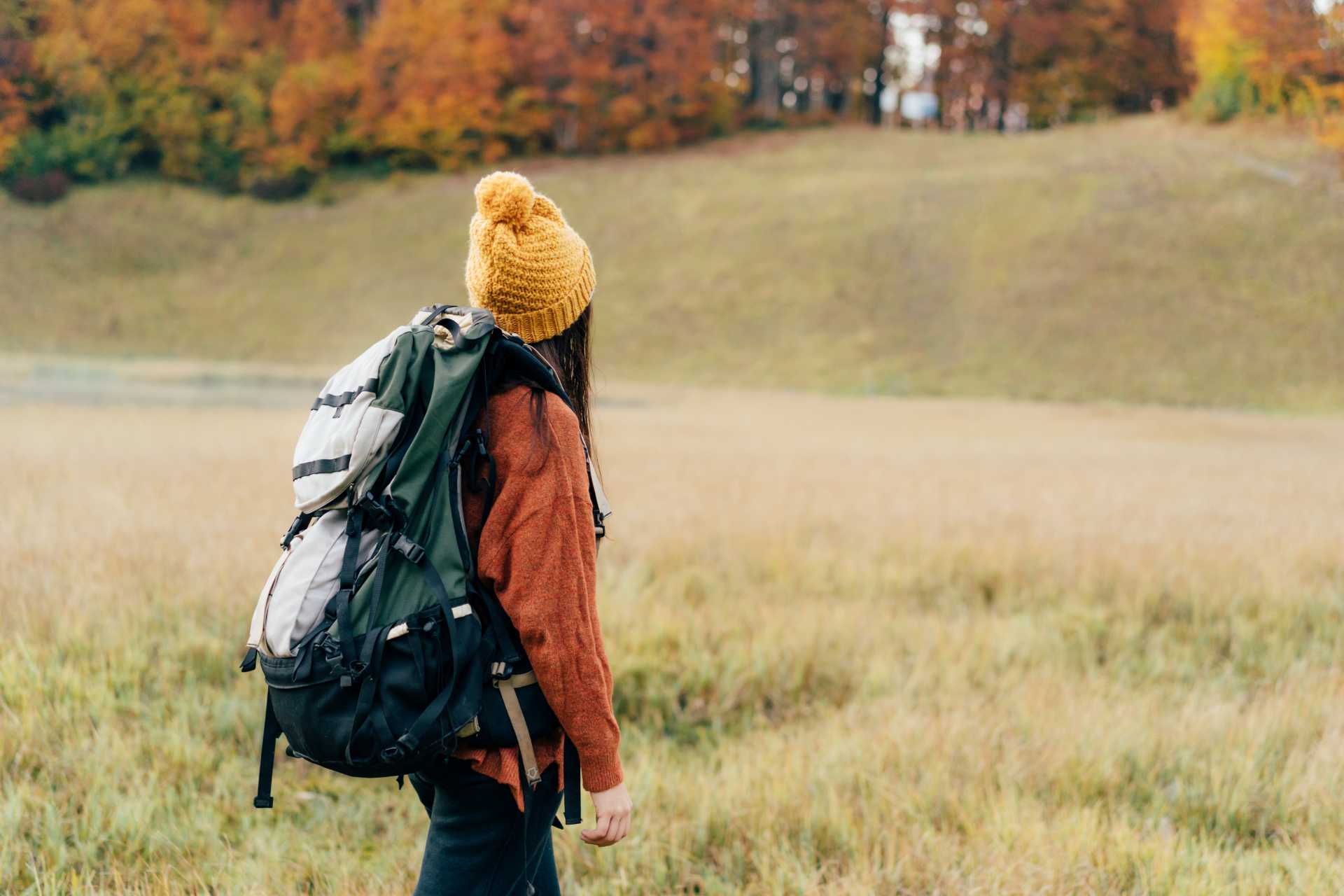
Autumn is considered the golden season for traveling in Tibet. The weather is mild, with clear skies and crisp air, and the average daytime temperature in Lhasa is around 15°C. This is the ideal time for trekking routes like Mount Kailash and visiting remote regions such as Ali. Autumn also provides clear skies and favorable weather for viewing Mt. Everest, making it an ideal time for trekking and mountaineering.
Harvest season brings a vibrant cultural atmosphere, with locals celebrating traditional festivals. However, as the season progresses, nights become significantly colder, especially at higher elevations. Layered clothing is essential for comfort throughout the day.
Winter (November to January)
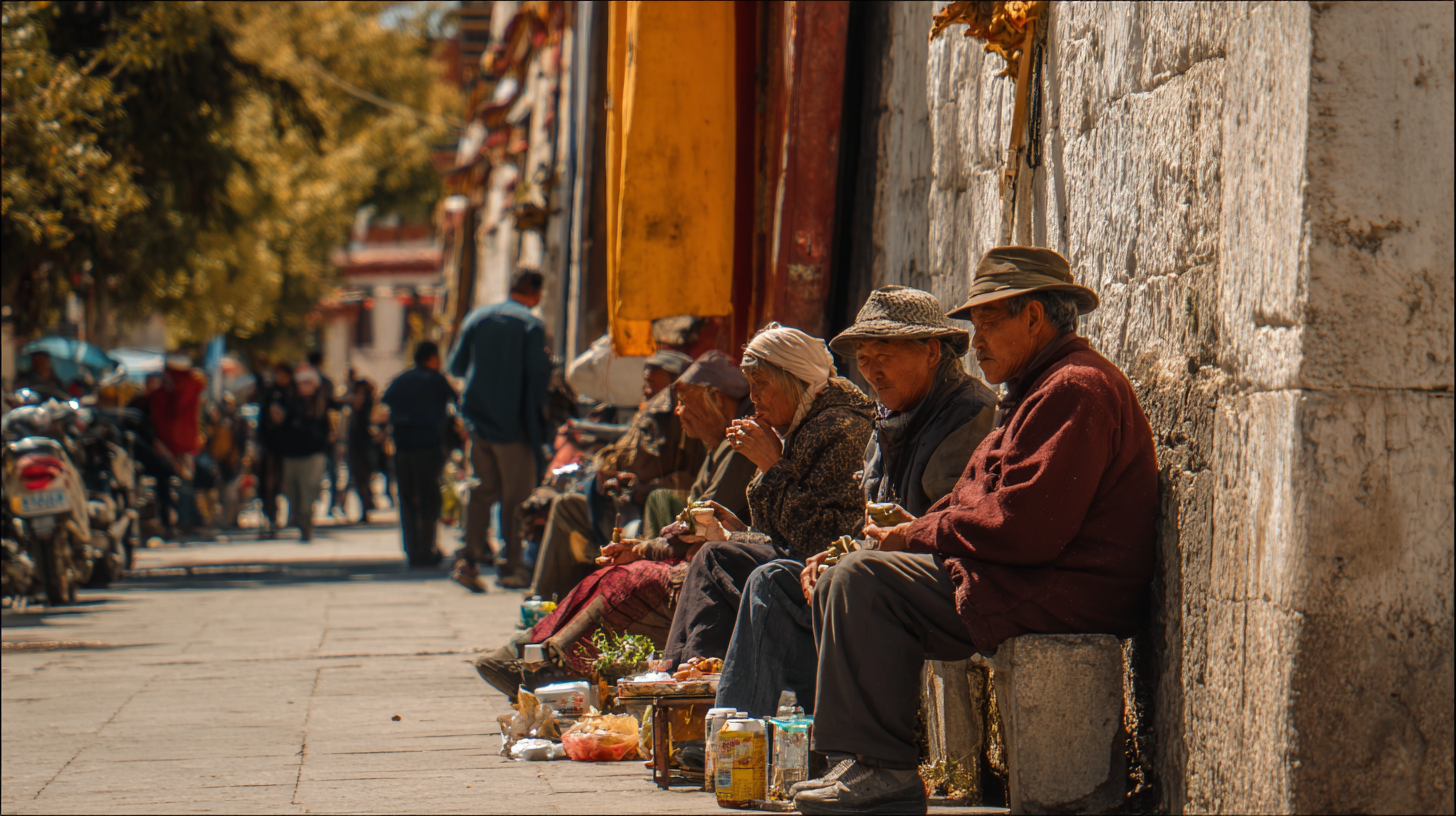
Winter is the low season for tourism in Tibet, but it has its own unique appeal. With daytime temperatures in Lhasa averaging 5°C, the city remains pleasant for sightseeing. The Tibetan New Year, or Losar, adds a festive charm with traditional celebrations and rituals.
Mount Everest Base Camp is an adventurous destination during the winter season, offering benefits like fewer tourists and potential cost savings.
While lower-altitude regions like Lhasa are accessible, areas like Nagqu and Ali are often blanketed in snow, making travel difficult. Visitors should prepare for freezing temperatures at night and pack adequately for the cold. This season is ideal for those seeking a quieter experience and cultural immersion.
Visiting Tibet During the Rainy Season

Visiting Tibet during the rainy season, which typically spans July and August, presents both challenges and rewards. The heavy rainfall can lead to mudslides or landslides, particularly on certain road sections, which may disrupt travel plans. However, the rainy season also brings a pleasant climate, with cooler temperatures and lush, green landscapes that are incredibly scenic. For those seeking a comfortable summer getaway, this period can be quite attractive. To make the most of your trip during the rainy season, it’s crucial to plan ahead, stay informed about weather conditions, and be prepared for potential travel disruptions. With the right preparation, you can still enjoy the stunning beauty and cultural richness of Tibet.
🛣 Road Safety in Rainy Season (July–August)
The summer monsoon season brings more than lush scenery—it also brings risks. Roads connecting Tibet to Sichuan or Nepal, especially along the Sichuan-Tibet Highway and the Friendship Highway, are vulnerable to mudslides, landslides, and road closures.
If you plan to travel overland to Tibet during July or August:
- Stay flexible with your schedule.
- Check daily weather and road updates.
- Consider air travel or alternative routes into Lhasa.
Regional Considerations
Lhasa and Central TibetAccessible year-round, Lhasa offers iconic attractions such as the Potala Palace and Jokhang Temple. Central Tibet is a hub of cultural heritage, making it a must-visit region, especially from April to October when conditions are most favorable. The region also offers excellent views of Mount Everest during the spring and autumn seasons.
Eastern Tibet and KhamWith its vibrant monasteries and stunning landscapes, the Kham region is best visited from May to October. The Chamdo Monastery and lush greenery provide an enriching experience for those interested in both nature and spirituality.
Activities and Events

Tibet’s diverse landscape and cultural heritage provide endless opportunities for adventure and discovery.
For trekking and hiking enthusiasts, April to October is the most suitable period. Popular routes include the Mount Kailash pilgrimage and Everest Base Camp trek, both offering unparalleled views and cultural experiences. The best times to visit Everest Base Camp are during the spring and autumn seasons for clear views and pleasant weather.
Festivals are another highlight of Tibetan travel. The Shoton Festival in summer showcases traditional opera and yogurt ceremonies, while the Tibetan New Year in late winter provides a deeper understanding of local customs and traditions.
🌸 Spring Bloom: Nyingchi Peach Blossom Festival (Late March to Mid-April)
Each year, as the snow begins to melt, Nyingchi transforms into a sea of pink. From late March to mid-April, the region celebrates the Peach Blossom Festival. Villages in the Yarlung Tsangpo Grand Canyon burst into bloom, offering one of the most photogenic springtime landscapes in Tibet. Photographers and nature lovers often combine this with nearby forest hikes or cultural visits to monasteries.
Best paired with: Early spring trips, moderate elevation routes, and photography tours.
🏔️ The Clearest Views of Mount Everest: April–Early June & Mid-Sept–Mid-Oct
If your dream is to see the full summit of Mount Everest from the Tibetan side, aim for either:
- April to early June: dry spring weather, fewer clouds.
- Mid-September to mid-October: post-monsoon clarity with crisp skies.
Avoid July and August, as the summer monsoon often brings heavy fog and cloud cover to the region—especially around Base Camp.
Travel tip: Schedule your Everest Base Camp trek or overland route during these periods to maximize visibility. Sunrise at Rongbuk Monastery can be unforgettable.
🕉️ Sacred Pilgrimage at Mount Kailash: Saga Dawa Festival (Tibetan Lunar April 15)
The Saga Dawa Festival, typically falling in May or early June, is one of the most important dates in the Tibetan Buddhist calendar. Pilgrims from across the plateau gather to circumambulate Mount Kailash, commemorating the birth, enlightenment, and death of Buddha Sakyamuni.
Doing the Kora (trek) during this time allows visitors to witness deeply spiritual ceremonies, colorful prayer flags being raised, and rare communal rituals.
Note: Weather conditions are generally favorable, but the area is remote and logistics should be planned in advance.
🚞 Best Months for Tibet Train Journey: July to October
Taking the train to Tibet—especially from Xining—isn’t just about transport; it’s a window into the vast plateau. The best time for scenic rail travel is July through October, when landscapes are at their most vivid:
- Qinghai Lake is brilliant blue.
- Tuotuo River glitters under clear skies.
- Qiangtang prairie stretches endlessly in green and gold.
Bonus: Oxygen levels are also higher during this period, which helps with altitude acclimatization.
🥾 Activity-Based Travel Recommendations
📷 For Photography
- April to October is ideal overall.
- July–August offers vibrant contrasts—green grasslands, nomadic life, and festivals.
- For Himalayan landscapes, April to early June and mid-September to mid-October are perfect for low haze and sharp visibility.
🧗 For Trekking
- Best: April–May and September–October.
- Avoid: winter for high-altitude treks (due to snow), but lowland routes near Lhasa or Shigatse are manageable year-round.
🚴 For Cycling
- May to October is suitable.
- For long-distance cycling (e.g., Kathmandu to Lhasa), choose May–June or September–October to avoid monsoon rains.
🐦 Winter Birding and Cultural Immersion (Dec–Feb)
Winter isn’t just about cold; it’s about quiet. In Lhasa and Shigatse, where temperatures remain manageable during the day (around 5–14°C), birdwatchers will find rich wetlands and riverbanks filled with migratory birds—especially around the Lhasa River.
Plus, if your timing aligns with Losar (Tibetan New Year)—usually in February—you’ll get a rare chance to see traditional family gatherings, local markets in full swing, and ancient ceremonies brought to life.
Preparing for Your Trip to Tibet
Preparing for your trip to Tibet involves several key considerations to ensure a smooth and enjoyable experience. First and foremost, you’ll need to obtain a Tibet Travel Permit, which is mandatory for all foreign visitors and must be arranged through a licensed tour operator. This process can take several days, so early planning is essential. Additionally, packing appropriately for Tibet’s high-altitude and fluctuating temperatures is crucial. Layered clothing is recommended, including moisture-wicking inner layers, warm insulating mid-layers, and waterproof outer layers. Don’t forget essentials like sunscreen, sunglasses, and lip balm to protect against the intense sunlight and dry air. By aligning your travel plans with the optimal time of year and packing wisely, you can fully appreciate the breathtaking beauty and unique culture of Tibet.
Practical Tips for Travelers

Planning Your Trip Foreign visitors require a Tibet Travel Permit, which must be obtained through licensed tour operators. This process can take several days, so early planning is essential. Consider aligning your travel plans with Tibetan festivals such as the Shoton Festival and the Nagqu Horse Racing Festival for a richer cultural experience.
Packing Essentials Given Tibet’s high altitude and fluctuating temperatures, layering is key. Wear moisture-wicking inner layers, warm insulating mid-layers, and waterproof outer layers. Sunscreen, sunglasses, and lip balm are crucial for protection against intense sunlight and dry air.
By carefully planning your trip and aligning it with Tibet’s seasonal highlights, you can enjoy a rich and fulfilling journey to this extraordinary destination.
Conclusion
There’s no one-size-fits-all answer to when you should visit Tibet—only the right time for your kind of journey.
Whether you’re chasing the crisp morning light at Everest Base Camp, walking among peach blossoms in a quiet Nyingchi valley, or immersing yourself in the spiritual energy of Saga Dawa at Mount Kailash, the key is knowing what you want to experience—and matching it with the right season.
From April’s awakening landscapes to the golden quiet of a February snow in Lhasa, each month paints Tibet in a different light. Summer welcomes crowds and color; winter rewards the patient traveler with silence, depth, and discounted train tickets. And for those who prefer movement to stillness—be it trekking, cycling, or photography—there’s a time window for that too.
Plan with intention. Pack with care. And go with eyes open—not just to the views, but to the rhythm of this high-altitude world. The roof of the world waits, season by season, story by story.