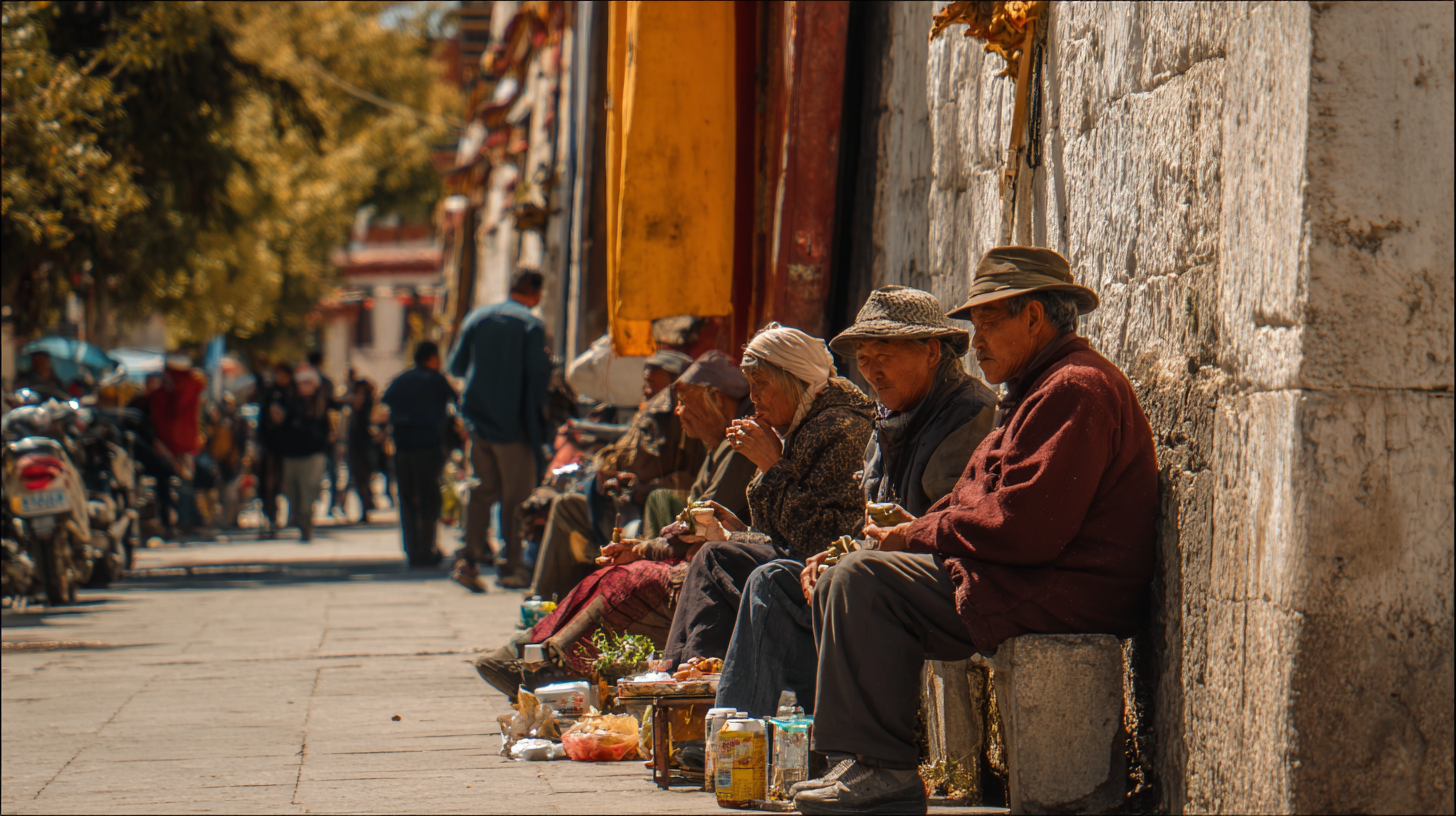
China Tibet Tour Packages offer an immersive alternative to standard tours. This guide emphasizes community engagement and local living, inviting you to experience Tibetan life through everyday moments and heartfelt interactions. Imagine arriving in a quaint village where you’re welcomed like family, not just as a visitor. You step into a world that values tradition, personal stories, and the rhythm of daily life.
A Different Take on Tibet
Leave behind the typical landmark-hopping itinerary. Instead of rushing past iconic sites, you take time to explore what truly makes Tibet unique—the people, the customs, and the spirit of the community. You join locals in their daily routines, sharing conversations, laughter, and even challenges. Through these moments, you gain a deeper understanding of how ancient traditions coexist with modern life. You don’t just observe history; you live it.
Tibetan Homestays: Gateways to Himalayan Culture
Authentic Living Spaces
Families across Tibetan villages open traditional homes featuring carved wooden beams, colorful thangka tapestries, and central stoves for communal gatherings. In Deqen County, multi-generational households host guests in sunlit courtyards overlooking terraced barley fields.
Cultural Immersion & Daily Life
- Participate in butter tea preparation at dawn using hand-churned yak milk
- Join farming activities: herding dri (female yaks), spinning prayer wheel-inspired wool spindles
- Children exchange language lessons with local peers during mountain berry-picking excursions
Organic Meals & Tibetan Cuisine
| Dish | Key Ingredients | Cultural Significance |
|---|---|---|
| Thenthuk | Hand-pulled noodles, radish, yak meat | Winter warming staple |
| Tsampa | Roasted barley flour | Sacred offering, eaten during festivals |
| Ara (Barley liquor) | Home-fermented grains | Shared ceremonially from brass cups |
Strategic Locations & Sacred Sites
- Meili Xue Shan: Base for pilgrimages to FeilaiSi Temple’s 800-year-old prayer wheels
- Yubeng Valley: Starting point for treks to Holy Waterfall’s ice-crusted shrines
- Everest Tent Camps: Yak wool-insulated shelters at 5,200m with sunrise views of Chomolungma’s north face
Modern Comforts in Traditional Settings
- TIBET Guest House (Shangri-La): Solar-heated rooms with hand-painted furniture near Songzanlin Monastery
- Lhasa City Stays: Rooftop terraces for watching Jokhang Temple’s prostration rituals, with WiFi access
Through shared meals, agricultural participation, and spiritual journeys, these homestays preserve Tibet’s living heritage while fostering cross-cultural understanding.
Key Features

Local Homestays
Staying with a Tibetan family transforms your travel experience. From the moment you arrive, you’re invited into a warm, bustling home where every member plays a part.
- Live with Tibetan families:
Imagine waking up to the aroma of a traditional breakfast and being greeted by friendly smiles. You join in daily chores, from preparing meals to fetching water, each activity giving you a glimpse into local life. - Share meals and daily routines:
Sitting down for a meal with your host family means more than just eating; it’s about exchanging stories and traditions. You learn recipes passed down through generations and understand how food brings people together. - Learn local customs firsthand:
Over time, you witness the subtle rituals that shape everyday interactions. Whether it’s a morning prayer or an evening gathering, each custom teaches you about respect, gratitude, and community bonding.
Cultural Workshops
Cultural workshops allow you to move beyond observation into active participation. Here, every session is an opportunity to learn skills that have defined Tibetan art and craft for centuries.
- Join sessions with local craftspeople:
In a small workshop, you work side by side with artisans, trying your hand at traditional crafts. The process is hands-on, and each technique is a story told through art. - Experience Tibetan music and dance:
You find yourself in a lively setting where local musicians invite you to join in a rhythm that has echoed through generations. These workshops are interactive; you’re encouraged to learn a few steps of a local dance or play a simple instrument. - Try traditional art techniques:
Whether it’s painting with natural pigments or learning the method behind intricate textiles, you dive into creative sessions that highlight the uniqueness of Tibetan art. These experiences leave you with not just memories, but a tangible piece of culture you created yourself.
Community Involvement
Your journey becomes richer when you participate in community events that showcase the collective spirit of Tibetan villages.
- Attend village events and festivals:
Local festivals burst with color, music, and dance. As a participant, you’re no longer an outsider. You celebrate with the locals during events that mark important seasonal changes or religious milestones, sharing in their joy and traditions. - Engage with local community leaders:
In intimate settings, community leaders share insights about the region’s history, challenges, and hopes for the future. These discussions allow you to see the complexities of community life, offering perspectives that guide your understanding of local governance and social dynamics. - Gain insights into Tibetan daily life:
Spending time with residents as they go about their day reveals the true essence of Tibetan living. You learn how they balance modern influences with age-old practices, and how community support underpins every aspect of life. These interactions build a narrative that goes beyond tourist brochures.
Rural Exploration
Exploring the rural parts of Tibet offers a contrasting experience to city tours. Away from the beaten path, you encounter nature and local life in its most authentic form.
- Walk lesser-known trails:
You set off on foot along trails known only to locals. These paths wind through serene landscapes where every step offers a new perspective on the region’s natural beauty. Along the way, you pause to listen to the sounds of the high-altitude environment, from distant animal calls to the whisper of the wind. - Visit local farms and yak herding areas:
A visit to a local farm or yak herding area introduces you to the backbone of rural life. Here, you see how communities sustain themselves through agriculture and livestock rearing. You learn the techniques that have been refined over centuries and appreciate the hard work that goes into maintaining these traditions. - Learn about sustainable practices:
In conversations with local farmers and herders, you discover sustainable methods that preserve both the land and cultural practices. This part of your journey is not just about seeing the landscape, but understanding how the community adapts to and respects their environment.
Immersive Tibetan Homestay Experience

Unique Itinerary Framework
Initial Days: Cultural Anchoring in Lhasa
- Arrival & Orientation: Settle into a traditional courtyard homestay near Barkhor Street (Tibetmoto Tours), where hosts greet guests with white khata scarves and barley flour (tsampa) blessings. Participate in a sweet tea ritual at a Tibetan teahouse, sipping yak-butter-infused blends while learning local etiquette (Tibet Travel).
- Cultural Immersion: Join pilgrims circling Jokhang Temple during the Barkhor Street kora, spinning prayer wheels alongside devotees. Later, visit Tromsikhang Market to source ingredients like churpi (dried yak cheese) for a Tibetan cooking class (Tibet Travel).
Mid-Trip: Rural Engagement & Craftsmanship
- Farmsteads & Festivals: At Dongpo Tibetan Homestay near Danba, milk yaks at dawn and hike terraced barley fields. If visiting May–June, assist families in preparing khapses (fried dough) for Saga Dawa Festival almsgiving.
- Artisan Workshops: In Rebkong (Amdo), apprentice under master artists to mix mineral pigments for thangka painting, a sacred Buddhist art form (Adventures in Tibet).
Final Days: Reflective Integration
- Community Dialogue: Gather around a stove with elders at Yangsum Heritage Farm in Sikkim to discuss challenges in preserving Tibetan dialects. Co-create a recipe zine documenting dishes like thenthuk (hand-pulled noodle soup).
- Sustainable Farewells: Plant native rhododendrons with hosts as a contribution to eco-restoration efforts, inspired by Coorg’s organic homestays.
Strategic Trip Planning
Ethical Booking Practices
- Community-Centric Operators: Choose agencies like Tibetan Encounter in Pokhara, which partners with refugee settlements, or The Hidden Valley Resort in Shangri-La, offering stays in 150-year-old Tibetan residences.
- Custom Add-Ons: Request nomad immersion with Amdo herders (Adventures in Tibet) or pilgrimages to sky lakes like Namtso.
Logistical Essentials
- Altitude Prep: Schedule acclimatization days in Lhasa (3,650m) with light activities like evening gora dances at Longwangtan Park (Tibet Travel).
- Homestay Realities: Expect unheated rooms (5–10°C nights), solar-powered showers, and shared outdoor toilets. Pack headlamps and biodegradable toiletries.
Budget Allocation
| Category | Cost Range | Details |
|---|---|---|
| Homestays | $15–$30/night | Includes breakfast/dinner; e.g., Padum Homestay in Zanskar |
| Workshops | $20–$50/session | Thangka painting, wool spinning, or butter tea-making classes |
| Community Gifts | $50–$100 | Fund school kitchens or donate solar lamps to elderly hosts |
By weaving cultural authenticity with practical insights from Tibetan-run initiatives, this restructured itinerary transforms travelers into temporary community members, fostering meaningful exchanges rooted in Himalayan traditions.
Cost Breakdown for a 7-Day Tibetan Homestay Journey
A thoughtfully planned Tibetan homestay experience combines cultural immersion with practical budgeting. Based on current community-run program rates, here’s a detailed financial overview:
Accommodation: At $20/night for traditional stays like Deqen wooden courtyard homes, the 7-day total amounts to $140, including heated brick beds and daily butter tea.
Meals: Families provide organic meals (e.g., tsampa, yak stew) at $10/day, totaling $70 – significantly cheaper than Lhasa restaurants ($25+/meal).
Workshops: Three hands-on sessions dominate this category:
- $30 for a half-day thangka painting workshop using natural pigments
- $30 for yak wool spinning and chuba belt weaving
- $30 for butter tea/chang brewing lessons
Total: $90
Community Contributions: A recommended $75 covers:
- $50 for school supplies (notebooks, pencils) in villages like Yubeng
- $25 for sustainable gifts (solar lights, wool socks) to elderly hosts
Grand Total: $375
This budget prioritizes direct community benefits, with 65% of funds ($244) staying within host families and local cooperatives. Comparatively, conventional Tibet tours average $600+ for similar durations, making homestays both affordable and socially impactful.