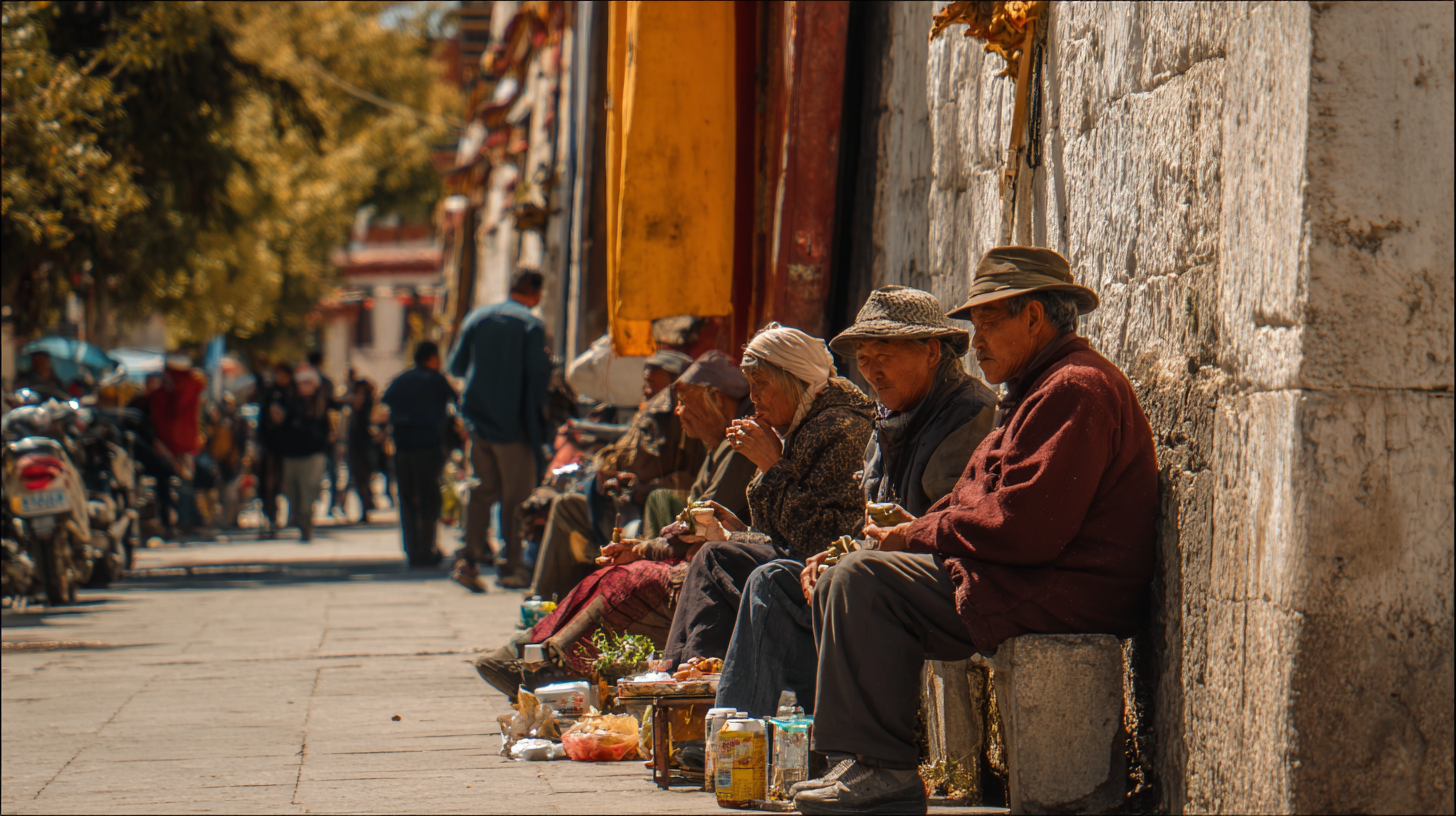
Introduction to Shangri-La County
Shangri-La is a county-level city in northwestern Yunnan Province, China, named after the mythical land depicted in James Hilton’s 1933 novel Lost Horizon. Originally known as Zhongdian County, it was renamed Shangri-La in 2001 to promote tourism in the area.
Shangri-La serves as the capital and largest city of the Diqing Tibetan Autonomous Prefecture, bordered by Lijiang to the south and Sichuan Province to the northwest, north, and east.
The city’s traditional name is Gyalthang, meaning “royal plains,” and the Chinese name of the county seat is Jiantang, reflecting a Mandarin transliteration of Gyalthang. Shangri-La is home to a significant Tibetan population and is renowned for its stunning natural scenery and rich cultural heritage.
When to Visit Shangri-La
The best time to visit Shangri-La is from March to June, when the weather is favorable and flowers are in full bloom, creating vibrant landscapes. September to November is also an excellent period to visit, offering comfortable temperatures and fewer tourists, allowing for a more relaxed experience.
Travel Tips:
- Avoid national holidays and the month of August when students and teachers are on holiday, as these times can be crowded.
- Be aware of altitude sickness, especially if you are flying in from lower elevations. It is advisable to acclimate gradually and stay hydrated.
Getting to Shangri-La

By Plane
Currently, Diqing Shangri-La Airport is the only airport serving Shangri-La City. Direct flights to Shangri-La are available from five major cities: Kunming, Chengdu, Chongqing, Guangzhou, and Lhasa.
Travelers from other cities will need to transfer through one of these five cities to reach Shangri-La. You can choose flights based on your travel itinerary and convenience.
The Diqing Shangri-La Airport is situated at an altitude of approximately 3,280 meters (10,761 feet), but most travelers do not experience significant altitude sickness. The airport is conveniently located about 11 kilometers (7 miles) from the city center, with a short car ride of roughly 30 minutes.
By Train
At present, high-speed trains to Shangri-La are available only from Kunming, Lijiang, and Dali. Travelers from other cities must transfer at one of these three locations to reach Shangri-La. Additionally, Shangri-La Railway Station is located close to the city center, making transportation within the city extremely convenient.
Shangri-La Railway Station
Shangri-La Railway Station offers easy access to the city, ensuring a smooth and hassle-free journey for travelers arriving by train. The station is well-connected with local transportation options, allowing you to quickly reach your accommodation or explore the city upon arrival.
By Bus
There are six daily buses from Kunming to Shangri-La, covering a distance of approximately 720 kilometers in about 10-12 hours. This option is suitable for travelers who prefer ground transportation and wish to enjoy the scenic journey.
Local Transportation
Within Shangri-La, travelers can move around by taxi, bus, or by hiring a private driver for a more personalized and hassle-free transfer service. Additionally, bicycles and electric bikes are popular for exploring the city and its surroundings.
Must-Visit Attractions

1. Ganden Sumtseling Monastery
Ganden Sumtseling Monastery is the largest Tibetan Buddhist monastery in Yunnan and is sometimes referred to as the “Little Potala Palace.” This impressive structure showcases traditional Tibetan architecture and offers insights into Tibetan Buddhism. Visitors can explore the grand halls, intricate frescoes, and peaceful courtyards.
2. Potatso/Pudacuo National Park
Potatso (also known as Pudacuo) National Park is a stunning natural reserve known for its diverse flora and fauna. The park features expansive meadows where yaks and horses graze, pristine lakes, and dense forests. It is also home to the world’s only Snub-Nosed Monkeys, making it a must-visit for nature enthusiasts. Potatso National Park is part of the Three Parallel Rivers Protected World Heritage Site, recognized for its stunning natural beauty and biodiversity.
3. Tiger Leaping Gorge
One of the deepest and most spectacular river canyons in the world, Tiger Leaping Gorge is a breathtaking destination for hikers and adventure seekers. Located north of Deqin County, the gorge offers challenging trails with stunning views of the Jinsha River and the surrounding mountains. It is also closely connected to the old town of Dukezong.
4. Haba Snow Mountain
Haba Snow Mountain is a popular destination for hiking and trekking, offering panoramic views of the surrounding landscapes. The mountain’s trails cater to various skill levels, making it accessible for both casual hikers and experienced trekkers. The scenic beauty and serene environment make it a perfect spot for outdoor activities.
5. Dukezong Old Town
Dukezong Old Town is a highlight of Shangri-La, featuring numerous local restaurants, small shops, and traditional Tibetan architecture. The old town is adorned with colorful prayer flags fluttering in the wind, adding to its authentic Tibetan atmosphere. It is a great place to experience the local culture, sample authentic Tibetan cuisine, and purchase handmade crafts and souvenirs.
Exploring Shangri-La

Inner Harmony Stupa of Pagoda Tazhongta
Visit the Inner Harmony Stupa of Pagoda Tazhongta, a 108-meter-tall pagoda built in 1997 to celebrate the 40th anniversary of the founding of Diqing Prefecture. The pagoda offers panoramic views of Shangri-La and its surrounding landscapes, making it a perfect spot for photography and sightseeing.
Napahai Nature Reserve
Explore the Napahai Nature Reserve, located near Shangri-La city, a flat area dotted with ponds and surrounded by mountains. This reserve is an excellent place to observe rare black-necked cranes, especially before winter. The serene environment and abundant wildlife make it a favorite among bird watchers and nature lovers.
Hiking Trails
Take a hike in the surrounding mountains and valleys, with numerous hiking trails available for all levels. Whether you prefer a leisurely walk through scenic meadows or a challenging trek up rugged peaks, Shangri-La offers a variety of trails that cater to different preferences and fitness levels.
Experience Tibetan Life
Immerse yourself in Tibetan culture by learning about their lifestyle, religion, and cuisine. Visiting a local Tibetan family can provide a unique insight into their daily lives, traditions, and culinary practices. Participate in cultural activities, such as traditional dance performances or tea ceremonies, to enrich your travel experience.
Accommodation and Dining

Accommodation
Shangri-La offers a wide range of accommodation options, from luxury 5-star hotels to budget-friendly guesthouses. Most hotels are decorated in traditional Tibetan style, featuring elegant and comfortable rooms that reflect the local culture.
Recommended Areas:
- Dukezong Old Town: Staying here provides easy access to major attractions, restaurants, and shops. However, it can be busier and noisier compared to other areas.
- Near Ganden Sumtseling Monastery: This area offers a quieter environment with stunning views of the monastery and surrounding landscapes.
Shangri-La Food Recommendations
Yak Beef Hotpot
Yak Beef Hotpot is a must-try local specialty in Shangri-La. Made primarily with yak beef, a unique ingredient of the plateau, this hotpot is complemented by wild mushrooms, various vegetables, and other fresh ingredients. The broth is exceptionally flavorful and delicious, while the meat is tender and succulent. The combination of meat and vegetables ensures a balanced and nutritious meal, perfect for the high-altitude environment.
Butter Tea (Su You Cha)
Butter Tea is a beloved beverage among the Tibetan people. It is made by mixing tea leaves, yak butter, and salt, and is typically enjoyed alongside tsampa (roasted barley flour). The tea has a rich and savory flavor, providing a comforting and hearty drink that helps alleviate altitude sickness. It’s a must-try experience for visitors to Shangri-La.
Barley Cakes (Qingke Bing)
Barley Cakes are a staple in the daily diet of the Tibetan community. These soft and slightly sweet cakes are often paired with soups or butter tea, providing a satisfying and filling meal. Made from highland barley, they have a pleasant texture and a warm, comforting taste. Remember to enjoy them while they’re still warm for the best flavor.
Planning Your Trip to Shangri-La

Booking
Plan your trip according to the best time to visit, and book your flights and accommodation well in advance, especially during peak seasons (March to June and September to November). Early bookings can help secure better rates and preferred accommodations.
Packing
Pack accordingly for your visit:
- Warm Clothing: Essential for winter visits and cooler evenings.
- Comfortable Shoes: Ideal for hiking and exploring the city.
- Sun Protection: Bring sunscreen, sunglasses, and a hat to protect yourself from the high-altitude sun.
Cultural Respect
Respect local customs and traditions. Learning some basic Tibetan phrases can enhance your interactions with locals and show your appreciation for their culture.
Tips for Visiting Shangri-La

- Altitude Sickness:
- Awareness: Shangri-La is located at a high altitude, which can cause altitude sickness for some travelers.
- Precautions: Drink plenty of water, avoid excessive alcohol consumption, and take it easy on your first day to acclimate.
- Respect Local Customs:
- Dress Modestly: When visiting monasteries and temples, ensure that your attire is respectful and modest.
- Cultural Sensitivity: Be mindful of local traditions and practices, especially in religious sites.
- Culinary Exploration:
- Try Local Cuisine: Embrace the opportunity to taste traditional Tibetan dishes and support local businesses by dining at local restaurants.
- Photography:
- Capture Memories: Bring a camera to capture the stunning natural scenery and rich cultural heritage of Shangri-La.
- Ask for Permission: When photographing locals, especially in rural areas, always ask for permission to ensure respect and courtesy.
- Health and Safety:
- Secure Belongings: Keep your valuables safe, especially in crowded areas.
- Stay Informed: Be aware of your surroundings and avoid isolated areas at night.
Conclusion
Shangri-La is a harmonious valley located in the heart of the Diqing Tibetan Autonomous Prefecture in northwest Yunnan Province. Known for its spiritual water and majestic mountains, the area boasts numerous snow-capped peaks rising over the plateau. Shangri-La is home to 13 ethnic groups living harmoniously, with the Tibetan community being the predominant group.
Visiting Shangri-La offers travelers the opportunity to experience the breathtaking beauty of nature, immerse themselves in a rich cultural heritage, and enjoy the warm hospitality of the Tibetan people. Whether you are exploring the ancient monasteries, trekking through pristine national parks, or savoring traditional Tibetan cuisine, Shangri-La promises an unforgettable and enriching travel experience.
Plan your visit to Shangri-La to discover the perfect blend of natural splendor, cultural depth, and serene tranquility that makes this region a true paradise on earth.