Introduction to Dali City
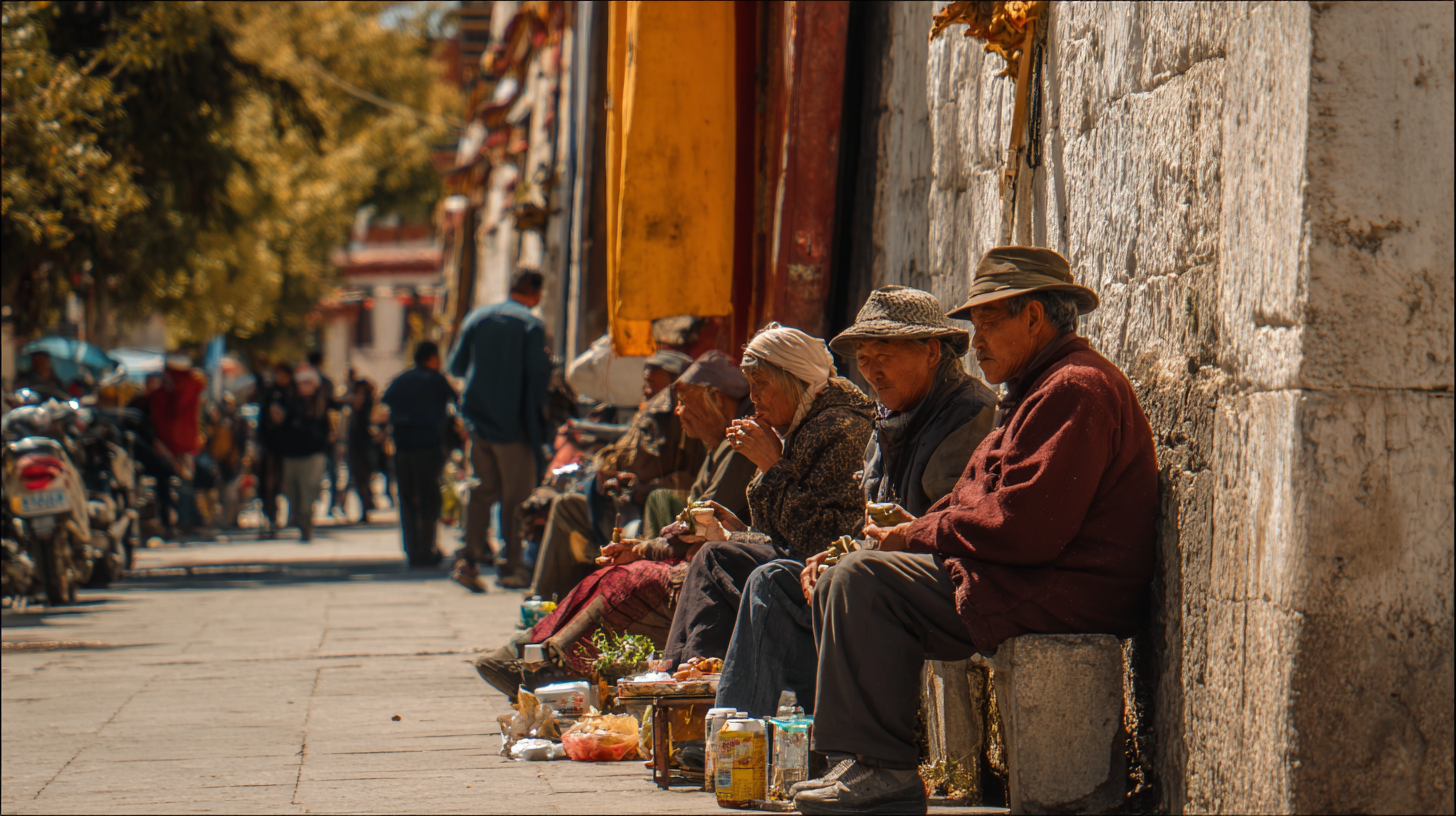
Nestled in the picturesque landscapes of Yunnan Province, Dali City stands as a testament to China’s diverse cultural tapestry and natural splendor. Known for its harmonious blend of traditional Bai architecture and stunning mountainous backdrops, Dali offers visitors a unique glimpse into both ancient and modern Chinese life. The city’s strategic location along historical trade routes has fostered a vibrant community where various ethnic groups coexist, each contributing to the region’s rich heritage.
Dali City is a county-level city in Yunnan, China, and the seat of the Dali Bai Autonomous Prefecture. The city is administered through 12 township-level districts, with two districts commonly referred to as Dali. Dali Old Town, also known as Dali Ancient Town, is a popular tourist destination known for its natural scenery, historical and cultural heritage, and vibrant nightlife.
Exploring Dali Old Town

Dali Old Town is a 1,200-year-old city with a rich history, located in Yunnan Province, China. It was the capital of the Nanzhao Kingdom (738–902) and is home to the Bai and Yi ethnic minorities. The town faces Erhai Lake to the east and the Cang Mountains to the west, with historical sites, medieval buildings, temples, and streets lined with shops, restaurants, bars, and hotels. The North Gate, originally constructed in 1382, is a key historical structure near the Three Pagodas.
Explore Dali Old Town by slowing down your pace and wandering around to see temples and architecture that’s 1,000 years old. The South Gate, with its rich history and architectural features, serves as a transportation hub and a starting point for various attractions. Buy beautiful souvenirs and objects of art, learn about the history of the area and of the native peoples, or just find a coffee shop to enjoy the moment. The West Gate, known for its quiet surroundings, is close to local attractions like Yu’er Road, where visitors can enjoy beautiful scenery, especially in November when ginkgo trees turn golden.
Arriving in Dali
Xiaguan (Lower Pass)
No matter how you arrive in Dali, the first place you’ll reach is Xiaguan. Xiaguan looks just like any other fourth or fifth-tier town and doesn’t offer any particular reason to stay.
Dali Ancient Town
Dali Ancient Town is located near Xiaguan. Although it appears square-shaped and doesn’t have any standout areas at first glance, the ancient town covers a large area. It is recommended not to aimlessly explore every inch of it, as it can be very tiring and not all areas are worth visiting.
Recommended Areas:
- Renmin Road and Fuxing Road: These are the two busiest streets. No matter which gate you enter from, following the flow of people will lead you straight to these roads. These areas are primarily designated for foreign tourists, so it’s advisable to browse a bit and then leave promptly to avoid tourist traps.
- North of Yuer Road: Especially around the Sifang Market (also known as the North Gate Market), there are many local favorite old shops offering affordable prices and generous portions, making it less likely for you to be scammed.
Attractions in Dali City: Must-Visit Attractions

1. Dali Museum
Previously the residence of a Grand Marshal, even if you’re not interested in Dali’s history, walking in to take some photos and looking up at the Cangshan Mountains beyond the rooftops will let you appreciate the unique charm of this place.
2. Chongsheng Temple Three Pagodas
These three towers are over a thousand years old. They look beautiful from a distance, but the area around the towers is relatively ordinary. The entrance fee is 75 yuan, and it is recommended to admire the exterior only.
3. Erhai Lake
- West of Erhai (Haitai): From Xiaguan to Haiche Park, the entire route is designated as the Erhai Deep Pool Corridor, suitable for cycling and sightseeing.
- East of Erhai (Hai Dong): Suitable for self-driving, riding electric bikes, or bicycles around the lake, but the distance is longer and the weather can be hot.
4. Xiao Putuo
Ideal for photo opportunities, the round-trip boat fee is about 20 yuan. The scenic route around the island is beautiful, with cliffs on one side and Erhai Lake on the other.
5. Xizhou Ancient Town
The town is relatively small and suitable for a day trip. Main attractions include the Zhuangjiao Building, Yan Family Courtyard, and the trendy rice fields for photo-taking. It closes at 8 PM and has no nightlife.
6. Shuanglang Ancient Town
More bustling than Xizhou Ancient Town, it features Yang Liping’s Sun Palace, which can be visited for free from the observation deck or for 128 yuan to tour the interior. The seaside and ancient town ambiance in Shuanglang are enchanting, but parking fees are relatively high.
Getting to Dali City

Traveling to Dali City is convenient with multiple transportation options available. Dali Airport is located in the junction of Fengyi Town and Haidong Town, Dali City, Dali Bai Autonomous Prefecture, Yunnan Province, China. The airport is about 13 kilometers from Dali City and 5 kilometers from Erhai Lake, making it easily accessible for travelers.
Dali Railway Station operates bullet trains from Guangzhou (10.511 hours) and Kunming (22.5 hours), providing swift connections to major cities. Taking a taxi or having private transport is the best and fastest way to get to Dali Old Town, ensuring a comfortable and hassle-free journey upon arrival.
Best Times to Visit Dali City
The best times to visit Dali City are from March to May and October to November, when the weather is comfortable and there are fewer crowds. During these months, travelers can enjoy mild temperatures and clear skies, perfect for exploring outdoor attractions and engaging in cultural activities.
Summer is also a good time to visit, with temperatures averaging 15–25°C (59–77°F), ideal for enjoying the natural beauty of Erhai Lake and the surrounding mountains. Winter is the off-season, but Dali Old Town still invites visitors with cost-effective bargains and winter-blooming cherry blossoms, offering a serene and picturesque experience away from the bustling tourist spots.
Accommodation in Dali City

Within the Ancient Town
Accommodation within the ancient town tends to be more expensive. The advantage is proximity to main attractions and dining options, but the downside is that it can be quite noisy at night. It is recommended to choose accommodations in the quieter corners of the ancient town, though parking is inconvenient. Therefore, it is advisable not to drive yourself.
Outside the Ancient Town
There are many homestays outside the ancient town. Although they are not as standardized as hotels, most homestays offer good service and environments with a variety of choices at relatively affordable prices. Some homestays may require additional parking fees, so it is recommended to confirm in advance.
Local Culture and Cuisine
Dali City boasts a rich history, dating back to 4,000 years ago when the ancestors of the Bai people settled in the area. The city was once an intermediary area linking economic and cultural communications between ancient China and other countries via India, contributing to its diverse cultural landscape.
The city is home to the Bai Minority, who make up 65% of the population, and has a unique culture and customs that are reflected in local festivals, traditional attire, and daily practices. Visitors can experience the Bai people’s hospitality through various cultural performances, artisan crafts, and traditional ceremonies.
Try local specialties such as rushan (cow’s milk cheese), cold chicken rice noodles, and wild mushrooms. These dishes not only offer a taste of the region’s culinary heritage but also highlight the use of fresh, locally sourced ingredients that define Dali’s vibrant food scene.
Shopping in Dali City

Dali City is a shopper’s paradise, offering a wide range of unique and authentic products that reflect the local culture and traditions. Whether you’re looking for traditional handicrafts or modern souvenirs, Dali City has something for every kind of shopper.
Dali Food Recommendations
Within Dali Ancient Town
Restaurants inside the ancient town tend to be overpriced with small portions, offering low cost-effectiveness. It is recommended to look for restaurants outside the ancient town, particularly near the Sifang Market north of Yuer Road, where the restaurants are more affordable and the portions are more substantial.
Recommended Local Dishes:
- Rushan (Cow’s Milk Cheese)
- Cold Chicken Rice Noodles
- Wild Mushrooms
These are all local specialties that allow you to taste authentic flavors without spending too much.
Dali Travel Tips
Transportation:
- Avoid Self-Driving: Entering the ancient town by car is not recommended due to narrow roads and inconvenient parking, leading to potential traffic jams.
- Public Transport and Shared Bikes/E-Bikes: These are more convenient options.
Weather:
- Unpredictable Weather: Dali’s weather can change rapidly with strong winds, so it is advisable to carry a jacket.
- Sun Protection: Bring sunscreen and sunglasses to protect yourself from the sun.
Tickets and Fees:
- Chongsheng Temple Three Pagodas: Entrance fee is 75 yuan; it is recommended to admire the exterior only.
- Cycling around Erhai Lake with E-Bikes: Single-person e-bike costs 15 yuan per hour, and double-person e-bikes cost 60 yuan per hour. It is recommended to choose single-person e-bikes.
Shopping:
- Avoid Tourist-Heavy Areas: It is better to shop at markets frequented by locals for souvenirs, where prices are more reasonable.
Safety:
- Secure Your Belongings: Especially in crowded areas.
- Avoid Solo Activities at Night: Choose places with more people to ensure safety.
Suggested Itinerary

Day 1:
- Arrival in Dali: Check into accommodation inside or outside the ancient town.
- Afternoon: Explore Renmin Road and Fuxing Road to experience the bustling atmosphere of the ancient town.
- Evening: Dine within the ancient town and experience the nightlife.
Day 2:
- Morning: Visit the Dali Museum and Chongsheng Temple Three Pagodas.
- Afternoon: Cycle around Erhai Lake, visit Xiao Putuo, and enjoy the scenic route.
- Evening: Return to the ancient town to rest or continue exploring the night scenes.
Day 3:
- Morning: Head to Xizhou Ancient Town to visit the Yan Family Courtyard and trendy rice fields.
- Afternoon: Travel to Shuanglang Ancient Town to visit the Sun Palace and observation deck.
- Evening: Return to Dali and prepare for departure.
Festivals and Events in Dali City
Dali City is a cultural hub, hosting numerous festivals and events throughout the year that celebrate its rich traditions and vibrant community. Here are some of the most popular festivals and events in Dali City:
Day Trips from Dali City

Shaxi is an old town along the ancient South Silk Road, halfway between Dali and Lijiang. It is one of the best-preserved old towns and is worth visiting if you have enough time. Shaxi is a great place to experience rural Chinese life and is easily accessible from Dali, offering a peaceful retreat from the more tourist-heavy areas.
Other recommended day trips include visiting Xizhou Town to explore traditional Bai architecture and markets, or trekking up Cangshan Mountain to enjoy breathtaking views and immerse yourself in the region’s natural beauty.
Planning Your Dali City Tour
Dali City is not only a can’t-be-missed highlight of Yunnan but also the best place for accommodation in the Dali region. Tourists usually arrange Dali Ancient City as their first stop of their Dali tour and spend at least one night there to fully absorb the local culture and ambiance.
Consider visiting nearby attractions first during the day, such as Erhai Lake and Cangshan Mountain, and then returning to Dali Old Town for a leisurely stroll and exploring at night. This balanced approach allows visitors to experience both the natural and cultural highlights of the area, making for a well-rounded and memorable trip.
Dali City Facts and History
Dali City is located in northwest Yunnan Province, China, with a population of 679,100 and an area of 1,815 square kilometers. The city has an area code of 0872 and a zip code of 671000, with a GDP of CNY 39.508 billion (USD 18.15 billion) in 2019. The city is also known as BaiHui, reflecting its significant Bai ethnic population.
Historically, Dali has been a center of trade and culture, serving as the capital of the Nanzhao Kingdom and later the Dali Kingdom before becoming part of the Yuan Dynasty. This rich historical background is evident in the city’s architecture, museums, and cultural practices, making it a fascinating destination for history enthusiasts.
Conclusion
Dali City is a captivating destination that seamlessly blends natural beauty, rich cultural heritage, and modern amenities. Whether you’re wandering through the ancient streets of Dali Old Town, exploring the scenic landscapes of Erhai Lake and Cangshan Mountain, or immersing yourself in the vibrant local culture, Dali offers something for every traveler. Plan your visit during the optimal seasons, choose comfortable accommodations, and embrace the unique experiences that this remarkable city has to offer.