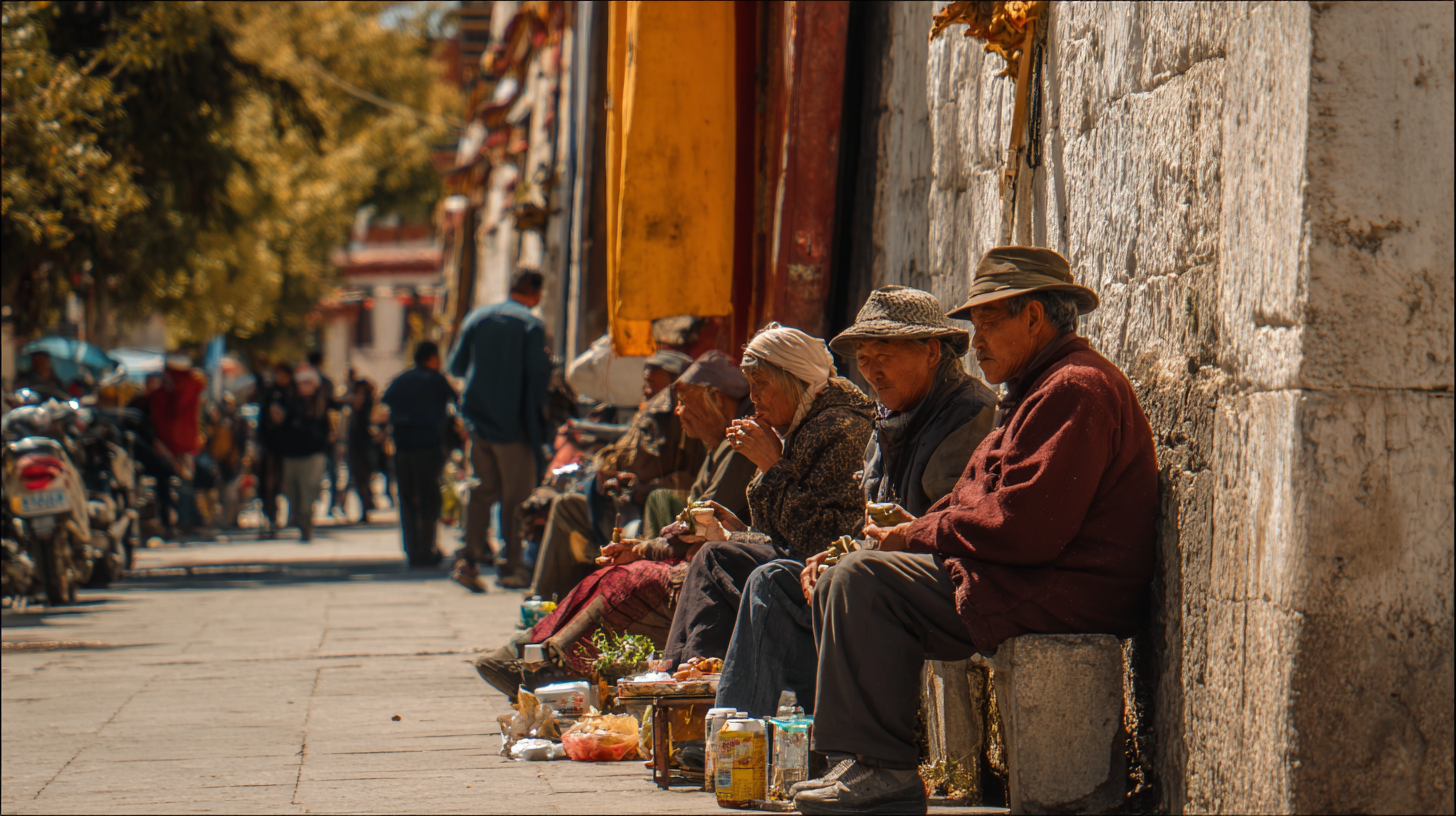
What is the Silk Road?
The Silk Road, an ancient trade route, served as a bridge between China, Central Asia, and Europe, fostering the vibrant exchange of goods, ideas, and cultural practices. This route played a pivotal role in connecting diverse civilizations, allowing merchants to transport silk, spices, precious stones, and other valuable commodities across vast distances. Beyond trade, it facilitated philosophical, religious, and scientific exchanges that have profoundly influenced global history.
For more than two thousand years, the Silk Road remained a crucial link between the East and West, enriching societies with wealth, wisdom, and even the spread of empires. Along this route, the exchange wasn’t merely transactional; it wove together diverse societies through shared experiences, creating a tapestry of cultural interconnections that transcended borders. From religion to philosophy, the Silk Road was a corridor of transformation for countless empires and people.
The Silk Road, originating in Xi’an and stretching to Istanbul, holds the distinction of being the oldest and historically significant trade route. It played a foundational role in shaping global trade networks, establishing connections that would influence future generations. Through centuries of exchange, the Silk Road has left an indelible mark on history, serving as a testament to the power of interconnected civilizations.
Cultural Significance of the Silk Road
The Silk Road is more than just an ancient trade route; it is a cultural phenomenon that has bridged the East and West for centuries. This historic corridor facilitated the exchange of ideas, cultures, and traditions between diverse civilizations. It was along this route that Buddhism, Christianity, and Islam spread, influencing the development of societies from China to Europe. The Silk Road also played a crucial role in the exchange of goods, including silk, spices, tea, and precious stones, which enriched the cultures it touched.
Today, the Silk Road stands as a testament to the power of cultural exchange and the interconnectedness of human history. It continues to attract tourists and scholars from around the world, eager to explore its rich legacy and the profound impact it has had on global civilizations.
Historical Landmarks on the Silk Road
The Silk Road is a treasure trove of historical landmarks that showcase the region’s rich cultural and architectural heritage. Among the most notable are the ancient cities of Bukhara, Samarkand, and Khiva in Uzbekistan, each offering a glimpse into the grandeur of past empires. In China, the Terracotta Warriors in Xi’an stand as a testament to the ingenuity and artistry of ancient craftsmen.
Travelers can also explore the ancient ruins of Persepolis in Iran, a city that once served as the ceremonial capital of the Achaemenid Empire. The Silk Road’s path through the Tian Shan mountain range, the Pamir Mountains, and the Gobi Desert offers breathtaking natural scenery, adding to the allure of this historic route. Visitors can marvel at ancient mosques, madrasas, and mausoleums, each telling a story of the vibrant cultural scene that once thrived along the Silk Road.

China Silk Road Tours: An Overview
Embark on an exploration of the fascinating Silk Road in China, where history and culture unfold in every direction. Discover Buddhist temples and the elegance of classical Chinese architecture that echo the ancient stories of this route. Each destination along the way offers a unique blend of history, from the exquisite temples that narrate the spread of Buddhism to the remnants of ancient dynasties that once thrived in the region. Explore West China regions such as Qinghai, Gansu, and Xinjiang, where the Silk Road’s historical significance and stunning landscapes await.
In Kashgar, the renowned Sunday bazaar awaits visitors, brimming with vibrant local culture and bustling with activity. Take a journey along the Karakoram Highway, where the scenic Pamir landscape meets the rich Tajik folklore, offering a vivid glimpse into the lives of the people who inhabit this region. The Silk Road experience is incomplete without immersing oneself in these culturally rich traditions that continue to thrive today.
Beyond the breathtaking landscapes, the Silk Road tours offer an authentic taste of Chinese culture. Engage in traditional activities like camel riding across the ancient dunes, or enjoy a Tang Dynasty performance that brings to life the grandeur of China’s golden age. Each of these experiences deepens the understanding of a civilization shaped by trade, exploration, and cultural fusion.
Popular China Silk Road Tour Routes
Venture on a China Silk Road Tour that extends into Central Asia, tracing the legendary paths of historical figures such as Marco Polo and Tang Xuanzang. These tours transport visitors to numerous historical sites, bringing to life the footsteps of explorers who traversed these regions centuries ago. Explore Silk Road cities like Samarkand and Bukhara, renowned for their rich architectural history and cultural exchanges. Each location unveils a chapter of history, from ancient cities to well-preserved cultural sites that once hosted merchants and pilgrims alike.
Explore Turpan, a vital trade hub along the Silk Road, where visitors can experience the local Uighur culture. The city’s warm hospitality and unique traditions offer a rich immersion into the life of Silk Road communities. From ancient ruins to vibrant marketplaces, Turpan captures the essence of an era where trade and cultural exchange thrived.
Finally, journey to the enchanting Heavenly Lake nestled within the Tianshan Mountain Chains. This picturesque lake, surrounded by majestic mountains, serves as a serene contrast to the arid Silk Road landscapes, symbolizing the natural beauty that accompanied travelers on their journeys. Visiting these places offers a profound appreciation of the Silk Road’s legacy, where the awe of nature and the richness of human history intertwine seamlessly.
Best Time to Visit the Silk Road

- The best time to visit the Silk Road depends on the region, but generally, spring and autumn are the best seasons to explore the ancient cities and landscapes.
- Avoid visiting during the peak summer months when temperatures can be extreme.
- Consider visiting during the shoulder season for smaller crowds and lower prices.
How to Plan Your China Silk Road Tour

When planning a China Silk Road adventure, tailor your itinerary based on your unique interests—whether they lie in exploring historical landmarks, immersing in local culture, marveling at natural landscapes, or embarking on adventurous journeys. For a smooth and enriching experience, start by selecting a reputable tour operator that offers customized tours and knowledgeable guides who can provide insights into the region’s history and cultural nuances.
It’s essential to research and secure your accommodations and transportation in advance. Given the Silk Road’s popularity, booking early ensures you’ll have access to preferred lodgings and travel options, particularly in peak seasons. By preparing thoroughly, you can relax and fully embrace the journey, knowing every detail is accounted for.
What to Expect on a China Silk Road Tour
On your Silk Road tour, you’ll have the opportunity to visit historic cities like Xi’an, Luoyang, and Dunhuang, each a treasure trove of ancient architecture and rich cultural heritage. In Xi’an, the starting point of the Silk Road, explore the famous Terracotta Army, while Luoyang offers its revered Longmen Grottoes and Buddhist art. Dunhuang, known for the Mogao Caves, showcases stunning murals that chronicle the region’s past.
Embrace the culinary diversity along the route, tasting regional specialties like hand-pulled noodles, savory kebabs, and locally crafted snacks. Additionally, you’ll have the chance to connect with local families, offering an authentic insight into their customs and daily lives. You might dine with a local family to sample authentic dishes and learn about traditional ways of life. These experiences provide a deeper understanding of the Silk Road’s living legacy.
Unique Experiences on the Silk Road
The Silk Road offers a myriad of unique experiences for the intrepid traveler. Explore ancient cities and historical landmarks that echo with the stories of the past. Immerse yourself in the vibrant cultural scene of the region, where traditional music, dance, and art come to life. The breathtaking natural scenery of the Tian Shan mountain range and the Gobi Desert provides a stunning backdrop for your journey.
Experience the warm hospitality of local families, stay in traditional yurts, and savor the local cuisine. Adventure seekers can embark on hiking, trekking, and horseback riding expeditions, exploring the rugged landscapes that have captivated travelers for centuries. Each experience along the Silk Road is a step back in time, offering a deeper connection to the history and culture of this legendary route.
Safety and Precautions
Traveling through some of the Silk Road’s remote areas calls for essential precautions to ensure a safe and enjoyable journey. Carry a first-aid kit for minor injuries, stay hydrated, and remain prepared for weather changes, as conditions can vary dramatically. When visiting religious sites like mosques and temples, respect local customs and dress modestly, as this fosters goodwill and aligns with cultural expectations.
It’s also wise to stay updated on local weather forecasts and conditions. Some regions can be challenging to navigate during certain seasons, so having current information helps you plan daily activities with ease and confidence.
Budgeting for Your China Silk Road Tour

Budgeting effectively for your Silk Road journey allows you to focus on enjoying the experience rather than managing expenses. Decide on your preferred travel style, be it luxury, mid-range, or budget-friendly, as this will guide your spending on accommodations, meals, and activities. Transportation across this vast route is another key expense, so consider options such as high-speed trains, domestic flights, or long-distance buses to match your budget.
Booking your tour and accommodations in advance not only secures your spot but can also lead to substantial savings. Early planning gives you access to the best rates, allowing you to stretch your budget for additional experiences or upgrades.
Packing for Your China Silk Road Tour
Packing appropriately is crucial for a comfortable Silk Road journey. Choose clothing that suits the range of activities and weather conditions, from city exploration to mountain hikes. Comfortable walking shoes are a must, as many historical sites involve extensive walking. Also, remember essentials like your passport, travel insurance, and any required permits or documents, as these will be needed along the route.
For a truly traditional experience, consider a camel ride or horseback ride through the desert or mountains, echoing the journeys of ancient traders. Staying in hotels located in the city center offers easy access to main sites, enhancing your travel experience by placing you near cultural and historical destinations.
Don’t forget sun protection items such as sunscreen, sunglasses, and a hat. Many areas, especially desert regions, experience intense sun exposure, so these items help protect you from UV rays and make outdoor activities more enjoyable.
Transportation Options on the Silk Road
Navigating the Silk Road is an adventure in itself, with a variety of transportation options to suit every traveler. The express train offers a fast and efficient way to traverse the countryside, providing scenic views along the way. For those who prefer a more leisurely pace, buses and taxis are readily available, while renting a car or bicycle allows for greater flexibility and exploration.
For a truly traditional experience, consider a camel ride or horseback ride through the desert or mountains, echoing the journeys of ancient traders. Self-drive tours are also a popular choice, with many scenic routes and attractions to discover. Whatever your preference, the Silk Road offers a transportation option that will enhance your travel experience.

Local Cuisine and Dining Experiences
The Silk Road is renowned for its delectable local cuisine, a reflection of the region’s rich cultural and culinary traditions. Indulge in traditional dishes such as plov, shashlik, and manty, each bursting with flavor and history. Sample the region’s fresh fruits and vegetables, including succulent grapes, melons, and apricots, which have been cultivated for centuries.
Tea culture is an integral part of the Silk Road experience, with numerous traditional tea houses and cafes offering a variety of teas and snacks. The warm hospitality of local families often extends to sharing meals and traditional celebrations, providing an authentic taste of the region’s culinary heritage.
Each dining experience along the Silk Road is a feast for the senses, inviting you to savor the flavors and traditions of this historic route.
Responsible Tourism on the Ancient Silk Road
As a traveler on the historic Silk Road, practicing responsible tourism is vital. Show respect for the environment and cultural heritage by refraining from littering or disturbing historical sites. Support local artisans by purchasing handicrafts and dining at local eateries, contributing positively to the communities you visit.
By adhering to local guidelines and regulations, you help preserve the Silk Road’s legacy for future generations. Your mindful actions ensure both a memorable experience for yourself and a sustainable impact on the region, allowing others to enjoy this remarkable journey through history and culture.