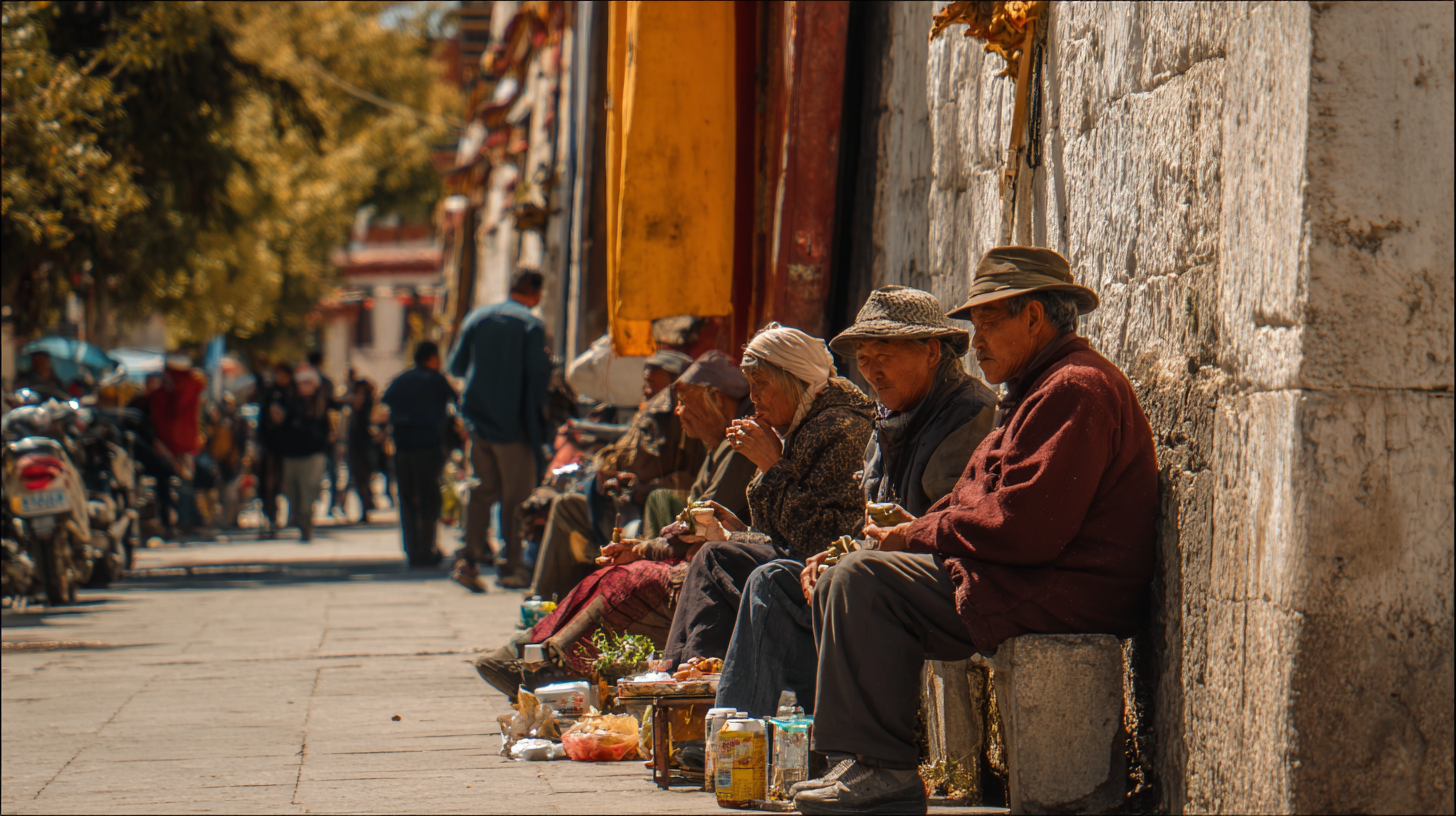
Xinjiang, officially known as the Xinjiang Uyghur Autonomous Region, is China’s largest province and a mesmerizing confluence of cultures, landscapes, and history. Tucked away in the country’s far west, this vast region offers a unique travel experience unparalleled by any other. If you’re looking to uncover hidden treasures, relish diverse cuisine, and tread paths less traveled, Xinjiang awaits your exploration.
1. Xinjiang’s Geographical Allure
The Tianshan Mountains: The celestial mountains divide Xinjiang into two parts – the Northern and Southern Xinjiang. These snow-capped peaks offer a stunning backdrop and plenty of trekking opportunities.
Turpan Depression: A geological wonder, it’s one of the world’s lowest and hottest places. The Flaming Mountains nearby are a must-visit.
Kanas Lake: Located in the Altai Mountains, it’s known for its changing colors and breathtaking beauty.
2. Historical and Cultural Landmarks
The Ancient City of Jiaohe: With a history spanning over 2,300 years, this ruins city offers a glimpse into ancient civilizations that once thrived here.
Kashgar Old Town: A labyrinth of narrow alleys and traditional homes, it’s a testament to the Silk Road’s thriving days and Xinjiang’s rich history.
Id Kah Mosque: Located in Kashgar, it’s the largest mosque in China and an architectural masterpiece.
3. Xinjiang’s Diverse Cuisine
The region’s strategic location on the Silk Road has resulted in a melting pot of flavors. Be sure to try:
- Uyghur Polo (Pilaf): A savory dish of rice cooked with carrots, mutton, and a blend of spices.
- Laghman: Hand-pulled noodles served with stir-fried meat and vegetables.
- Kawaplar: Grilled lamb skewers seasoned with cumin and red pepper.

Want to know the price of tours? Need to ask for a travel permit? Feel free to contact us. Funtrip can discuss your planned itinerary, assisting with customized, comprehensive planning and cost estimation.
4. Local Festivals and Traditions
The Grape Festival: Celebrated in Turpan during August, it’s an ode to the region’s grape cultivation.
Nowruz: The Uyghur New Year is marked with music, dance, and traditional dishes.
Roza: The holy month of Ramadan is observed by the Muslim population with great devotion.
5. Shopping and Handicrafts
From vibrant bazaars to specialty shops, Xinjiang is a shopper’s paradise. Look out for:
- Atlas Silk: A traditional Uyghur fabric known for its intricate patterns and vibrant colors.
- Rugs and Carpets: Handwoven and detailed, they reflect the region’s deep-rooted craftsmanship.
- Dried Fruits and Nuts: The region is famous for its raisins, apricots, and walnuts.
6. Tips for Traveling in Xinjiang
- Best Time to Visit: Spring (April to June) and autumn (September to October) are ideal.
- Language: Mandarin is widely spoken, but Uyghur is the local language. It might be helpful to have a translation app.
- Safety: While Xinjiang is generally safe for tourists, it’s wise to stay updated on travel advisories.
7. Sustainable Tourism
While Xinjiang offers endless beauty and culture, it’s essential to travel responsibly. Respect local customs, reduce your environmental footprint, and support local businesses to ensure the region remains unspoiled for future generations.
In Conclusion
Xinjiang, with its vast landscapes and rich tapestry of cultures, promises an unforgettable journey. Whether you’re an adventurer, a history buff, or a food enthusiast, there’s something in Xinjiang that will captivate your heart. So, pack your bags and embark on a journey through time, nature, and flavors in this remarkable corner of China.