What is Kora (བསྐོར་བ།)?
“Kora” is a transliteration from the Tibetan word meaning circumambulation or revolution, literally walking around a sacred site or object. It is a practice intertwining pilgrimage with walking meditation, where devotees engage their bodies, voices, and minds by walking, chanting mantras, and visualizing. These actions aim to accumulate spiritual merit, cleanse negative karma, and strengthen willpower.
Common Types of Kora
Natural Sites
Sacred natural locations such as mountains and lakes like Mount Kailash or Lake Manasarovar. Routes can span tens or hundreds of kilometers, often including challenging terrain and high mountain passes.
Man-made Sites
Kora paths around monasteries, temples, stupas, and cities, including well-known sites like Lhasa’s Jokhang Temple or the Potala Palace.
Hidden Lands (Beyul)
These are mystical valleys believed to have been blessed by the legendary master Padmasambhava. Said to be revealed only during times of great strife, Beyuls offer special spiritual protection and power.
Holy Person
Kora performed around stupas or tombs dedicated to revered spiritual masters as an expression of respect for their compassion and wisdom.
Direction and Methods
Tibetan Buddhists usually circumambulate in a clockwise direction, mirroring the movement of the sun, whereas adherents of the ancient Bon tradition walk counterclockwise. Practitioners enhance their kora by prostrating themselves, spinning prayer wheels, chanting mantras, and counting rosary beads, deepening the spiritual significance of their journey.
Why Perform Kora?

Every kora circuit represents an opportunity to clear past misdeeds, cultivate good karma, and achieve mental clarity. As pilgrims repeatedly circle sacred sites, they symbolically unravel internal complexities, mirroring their external pilgrimage with inner transformation.
Essential Kora Routes for Travelers
In Tibet, pilgrims visit sacred sites along established paths known as “kora,” offering prayers and seeking blessings from the Bodhisattvas of Tibetan Buddhism. This tradition forms a cornerstone of daily life, offering participants spiritual merit and protection from misfortune.
For newcomers to Tibet, observing local pilgrims chanting and spinning prayer wheels around temples can be striking yet deeply inspiring. It reveals the profound integration of spiritual practice into daily life.
Believed to purify karma and pave the way toward enlightenment, it is deeply embedded into everyday life. Whether through mantra recitations, full prostrations, or meditative walks, the practice is inseparable from Tibetan culture.
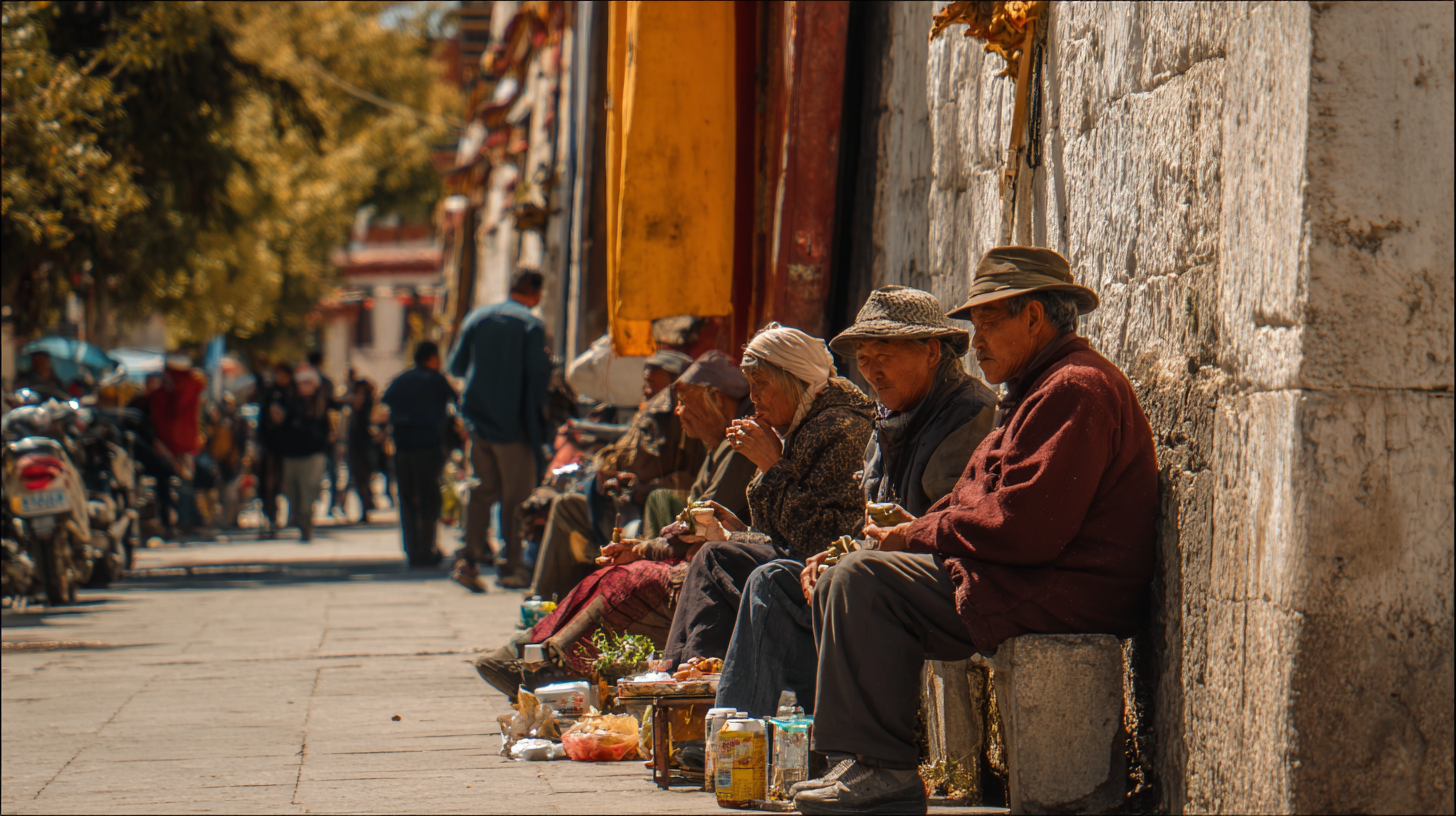
Visitors in Lhasa often encounter Tibetans completing their daily kora rituals around iconic landmarks like Potala Palace or Jokhang Temple, reflecting the tradition’s vital cultural and religious role.

8 Popular Kora Routes in Tibet
| Kora Route | Route Length and Duration | Highlights |
|---|---|---|
| Jokhang Temple Kora (Nangkhor Kora) | 0.6 km circuit within temple’s inner sanctum | 380 prayer wheels continually turned by pilgrims |
| Barkhor Street Kora | Approx. 2 km, around 30 mins | Local crafts, incense stalls, constant hum of pilgrims |
| Potala Palace Kora (Tsekhor Kora) | About 3 km, around 45 mins | Palace views, prayer wheels, mantra chanting |
| Old Town of Lhasa Kora (Lingkhor) | 8 km loop, typically 2–3 hrs | Historic city views, rest stops, mantra recitations at chapels |
| Monastery Koras (Ganden, Sera, Drepung, Tashilhunpo) | Approx. 2 hrs per monastery (gentle trails) | Monastic tranquility, rosary counting, prostrations |
| Namtso Lake Kora | Approx. 70 km, usually 20–30 days | Camping under starry skies reflecting on lake |
| Mount Kailash Kora | 52 km circuit, typically 3 days | High-altitude Dolma La Pass, monastic guesthouses, full prostrations |
| Lake Manasarovar Kora | Approx. 30 km, typically 5 days on foot | Lakeside monasteries, panoramic views, optional shorter bus tours |
1. Jokhang Temple Kora (Nangkhor Kora)
Regarded as the holiest route, this kora circles the revered Jokhang Temple, the spiritual heart of Tibet, housing a sacred statue of the young Sakyamuni Buddha brought by Princess Wencheng in 640 AD.
- Route: 0.6 km circuit within the temple’s inner sanctum.
- Highlights: 380 prayer wheels continually turned by pilgrims.
2. Barkhor Street Kora
Encircling Jokhang Temple along the bustling Barkhor Street, this historic route is vibrant with traditional shops and spiritual energy.
- Route: Approximately 2 km, taking about 30 minutes.
- Highlights: Local crafts, incense stalls, and the constant hum of devout pilgrims.

3. Potala Palace Kora (Tsekhor Kora)
The majestic Potala Palace, built on Marpori Hill, offers pilgrims a scenic and spiritually enriching circumambulation route at its base.
- Route: About 3 km, typically 45 minutes to complete.
- Highlights: Views of the palace’s architecture, prayer wheels, and mantra chanting.
4. Old Town of Lhasa Kora (Lingkhor Kora)
This is the longest kora route in Lhasa, circling the city’s historical boundaries, encompassing panoramic vistas of ancient walls and chapels.
- Route: 8 km loop, usually 2–3 hours.
- Highlights: Historic city views, rest stops, and brief mantra recitations at chapels.
5. Monastery Koras (Ganden, Sera, Drepung, Tashilhunpo)
These monasteries, significant religious centers, each offer kora paths that serve as peaceful spiritual retreats.
- Route: Approximately 2 hours each, gentle trails.
- Highlights: Monastic tranquility, rosary counting, and prostrations.

6. Namtso Lake Kora
One of Tibet’s sacred lakes, Namtso offers an extensive and picturesque pilgrimage route.
- Route: Approximately 70 km, typically covered over 20–30 days.
- Highlights: Camping under clear starry skies reflecting on the lake.
7. Mount Kailash Kora
The revered Kailash kora is among Tibet’s most celebrated pilgrimages, offering profound spiritual experiences.
- Route: 52 km circuit, completed over three days.
- Highlights: High-altitude Dolma La Pass, monastic guesthouses, and full-body prostrations by some devotees.
8. Lake Manasarovar Kora
This scenic pilgrimage route encircles another holy lake, combining natural beauty with spiritual devotion.
- Route: Approximately 30 km, about five days on foot.
- Highlights: Lakeside monasteries, panoramic landscapes, shorter bus options available.
Kora Seasonal Considerations

Different seasons bring varying experiences and challenges when performing Kora in Tibet:
Spring (April-May)
- Mild weather, ideal for pilgrimage
- Be mindful of occasional spring rain and melting snow
- Mountain routes may still have snow cover
Summer (June-August)
- Paths may be muddy during rainy season
- Afternoon thunderstorms common in high-altitude areas
- Waterproof gear necessary
Autumn (September-October)
- Clear weather with optimal visibility
- Large temperature variations between day and night, warmth needed
- Best season for viewing mountain lakes
Winter (November-March)
- Some high-altitude routes closed due to snow
- Kora routes near cities remain accessible
- Extra attention needed for cold weather protection
Kora Preparation Requirements
Physical Training
- Begin aerobic training 3-6 months before departure
- Focus on leg strength and cardiopulmonary fitness
- Practice walking with added weight
Altitude Adaptation
- Recommended 2-3 day stay in Lhasa for acclimatization
- Ascend slowly, avoid strenuous exercise
- Stay hydrated to prevent altitude sickness
Essential Equipment
- Waterproof and windproof jacket
- Layered warm clothing
- Hiking boots and trekking poles
- Sun protection (hat, sunglasses, sunscreen)
- Basic medications (altitude sickness pills, pain relievers, etc.)
- Adequate drinking water and energy supplements
Conclusion
Completing any of Tibet’s esteemed kora routes immerses travelers deeply in local traditions. Each journey uniquely blends stunning landscapes, historical significance, and profound spirituality, offering an invaluable experience of Tibetan culture and devotion. By joining local pilgrims, travelers can authentically engage with practices considered essential steps toward enlightenment.