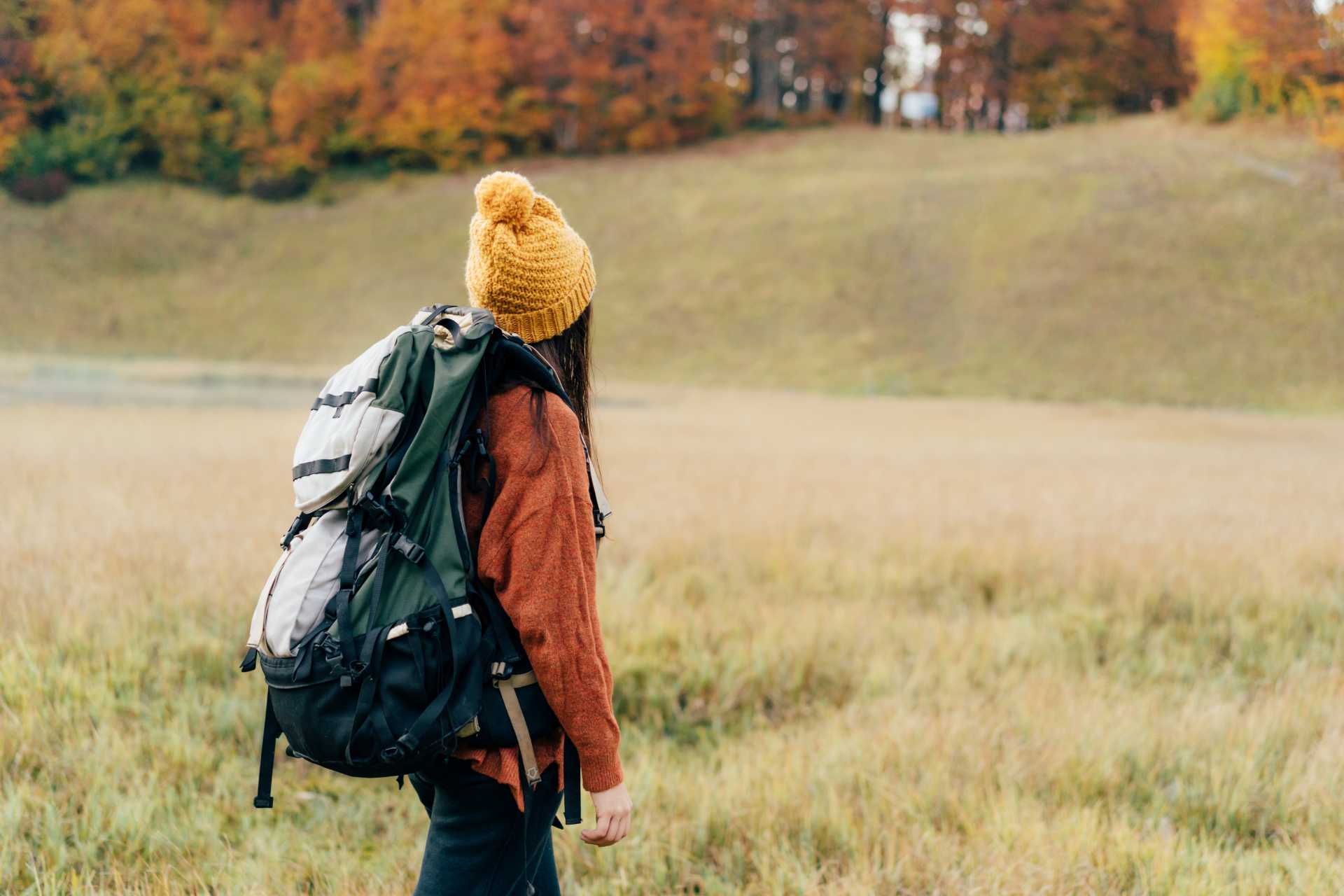
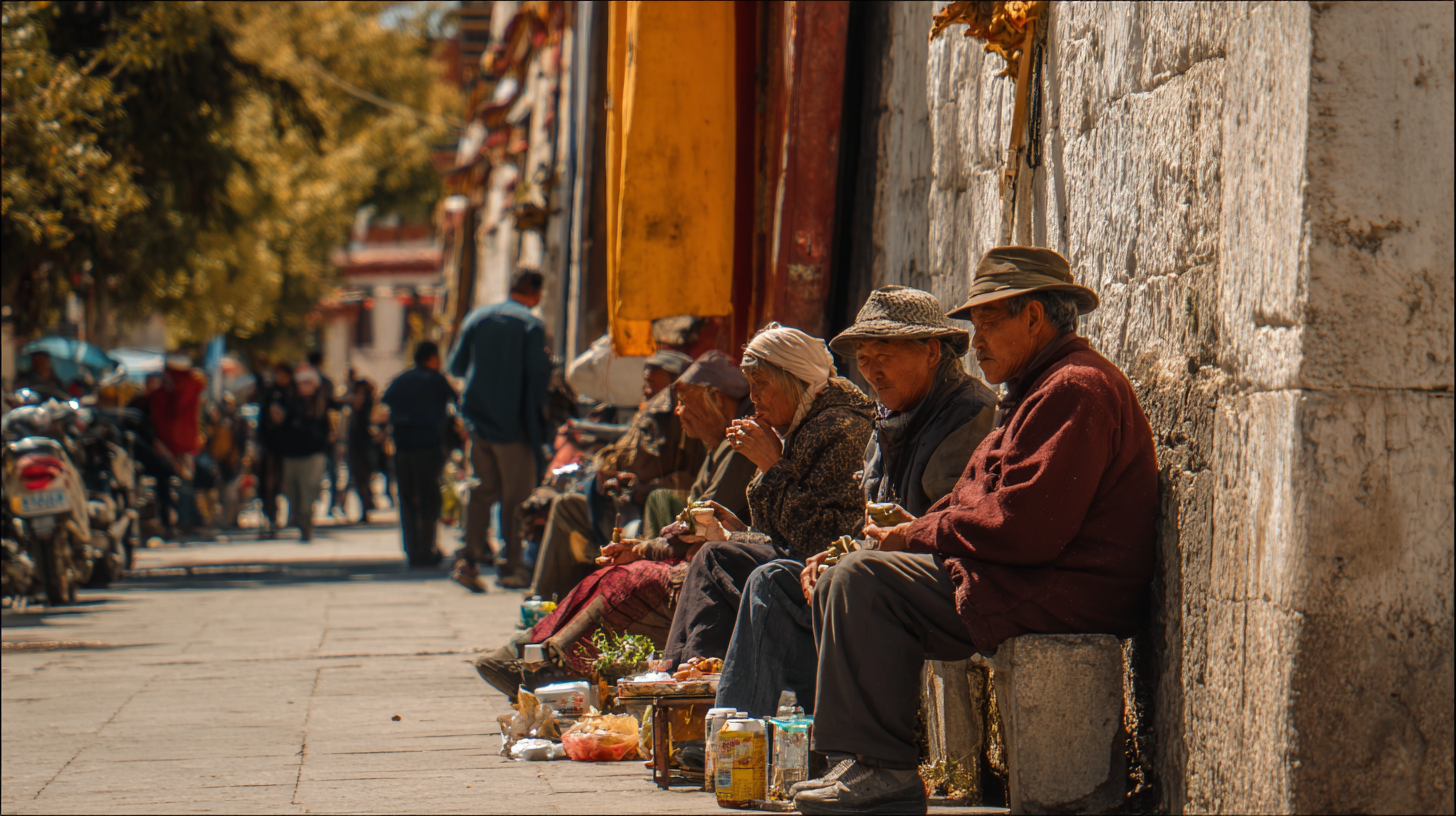
Embarking on a Kailash tour in Tibet is often considered a life-altering experience, offering not just an adventure but also a chance for inner transformation. For centuries, this mystical mount has been an epicenter for spirituality, attracting pilgrims from around the world. This article aims to provide an in-depth guide to the sacred Kailash tour, exploring its spiritual significance and detailing the trekking route. If you’re pondering a journey that combines both spiritual enlightenment and awe-inspiring vistas, the Tibet Kailash tour could be your calling.
Spiritual Significance of Mount Kailash
Before we delve into the logistics of the tour, it’s essential to understand the profound spiritual importance of Mount Kailash. Located in the remote corners of Tibet, this pyramid-shaped mountain is sacred to multiple religions, including Buddhism, Hinduism, Jainism, and the Bon faith. For Hindus, it is the abode of Lord Shiva, while in Buddhist traditions, it is associated with the spiritual center of the universe. The belief that circumambulating the mountain helps attain spiritual enlightenment adds to its allure, making the Kailash tour a much-sought-after spiritual journey.
Latest Tibet Travel Information for 2025
Improved Transportation
Since December 2023, direct flights between Lhasa and Kathmandu have resumed. Traveling from Nepal to Tibet now takes only 1.5 hours, making your 2025 Tibet-Nepal trip more convenient.
New China Visa-Free Policy
Until December 31, 2024, China offers a 15-day visa-free stay for tourists from France, Germany, Italy, Spain, Malaysia, and the Netherlands. Visitors from Singapore and Thailand can enjoy a 30-day visa-free period. If you hold a passport from one of these countries and plan to visit Tibet, you can apply for a Tibet Entry Permit using just your passport, making the process simple and hassle-free.
2025 Winter Travel Discounts
From November 1 to March 31 each year, many attractions in Tibet, including the Potala Palace, offer free entry. While securing Potala Palace tickets during peak season can be challenging, winter provides a smoother and more relaxed travel experience with lower costs. Consider visiting Tibet in winter 2025 for a peaceful and budget-friendly trip.
Preparing for the Kailash Tour
Preparing for the Tibet Kailash tour involves a few essential steps. First, ensure that you are physically fit, as the trek is demanding. Pilgrims should get all necessary travel documents like the Tibet Travel Permit and the Aliens’ Travel Permit. It is recommended to book your tour through an experienced travel agency, which can arrange guided treks, taking care of permits, accommodations, and food.

Want to know the price of tours? Need to ask for a travel permit? Feel free to contact us. Funtrip can discuss your planned itinerary, assisting with customized, comprehensive planning and cost estimation.
Best Time to Visit
The optimal time for the Tibet Kailash tour is from May to October, avoiding the harsh winter months. During this period, the weather is generally stable, and the trekking paths are clear.
Note: Due to the fluctuating political climate and regulations, always check the latest travel advisories before planning your trip.
Our Mount Kailash Tour Package

If you’ve ever dreamt of embarking on a spiritual journey to the sacred Mount Kailash, this comprehensive 14-day itinerary is your golden ticket. (the tour days can be customized according to your needs) From the bustling streets of Lhasa to the tranquil monasteries of Shigatse, and finally to the awe-inspiring Mount Kailash, this trip offers an unparalleled experience. Read on to find out why this journey is a must for any spiritual seeker or adventure enthusiast.
Highlights
- Mount Kailash Pilgrimage: Experience the spiritual essence of Tibet by circumambulating the sacred Mount Kailash.
- Natural Wonders: From snow-capped peaks to vibrant wildlife, Tibet offers a stunning natural canvas.
- Historical Exploration: Dive into the mysteries of the Guge Kingdom, a civilization that vanished without a trace.
- High-Altitude Adventure: Conquer the highest point of the journey at 5630 meters, with oxygen cylinders for support.
Day-by-Day Breakdown
| Day | Itinerary Summary | Highlights |
|---|---|---|
| 1 | Arrival in Lhasa, transfer to hotel, rest and acclimatize | — |
| 2 | Explore Lhasa’s historical sites | Potala Palace, Jokhang Temple, Barkhor Street |
| 3 | Travel from Lhasa to Shigatse | Yamdrok Lake, Karola Glacier, Gyantse Town |
| 4 | Drive to Everest Base Camp | Rongbuk Monastery, overnight at base camp |
| 5 | Himalayan scenery en route to Saga | Mount Everest sunrise, Peiku Lake, Shishapangma |
| 6 | Saga to Takin | Mount Kailash, Lake Manasarovar, Rakshastal |
| 7 | Mount Kailash Kora – Day 1 | Valleys, yak/horse rides, Zhezhu Monastery |
| 8 | Mount Kailash Kora – Day 2 | Dolma La Pass (5,630m), Zutulpuk Monastery |
| 9 | Mount Kailash Kora – Day 3, travel to Zada | Mani stones, wildlife, lush landscapes |
| 10 | Zada to Takin | Soil forests, Guge Kingdom ruins |
| 11 | Takin to Saga | Highway 219, icy peaks, Tibetan villages |
| 12 | Saga to Shigatse | Scenic plateau landscapes |
| 13 | Shigatse to Lhasa | Tashilhunpo Monastery, Yarlung Valley |
| 14 | Departure from Lhasa | — |
Day 1: Arrival in Lhasa
Upon arrival at Gonggar Airport in Lhasa, our staff will pick you up and transfer you to a comfortable hotel. It’s essential to relax and acclimatize to the altitude.
Pro Tip: Always move slowly in high altitudes to prevent altitude sickness. Notify our guide or staff if you feel unwell.
Day 2: Lhasa’s Historical Landmarks
Visit the Potala Palace, an ancient structure offering panoramic views of Lhasa. Later, explore the revered Jokhang Temple and experience the vibrant Barkhor Street.
Pro Tip: Tickets for Potala Palace are time-limited. Ensure no dangerous items are with you, and refrain from photography inside.
Day 3: From Lhasa to Shigatse
Embark on a journey to Yamdrok Lake, renowned for its stunning beauty. Witness the breathtaking Karola Glacier, travel through Gyantse town, and finally arrive in Shigatse, Tibet’s second-largest city.
Day 4: Towards Everest Base Camp
Drive towards the Everest Base Camp, with pit stops at Rongbuk Monastery – the world’s highest temple. Stay overnight in tents at the base camp and marvel at the clear night sky.
Pro Tip: Everest’s altitude can cause discomfort. If you experience symptoms, stay calm and seek guidance. Also, Rongbuk Monastery offers the best view of Mount Everest.

Day 5: Himalayan Splendors
Start with a mesmerizing sunrise over Mount Everest. Traverse the Himalayan landscapes, with stops at Peiku Lake and glimpses of mighty peaks like Shishapangma. Conclude the day in Saga.
Day 6: Saga to Takin
From Saga to the Heart of the Mountains After a group breakfast, we journeyed along Highway 219, passing through the western-style town of Payang, the world’s highest town at 4,700m. Our destination? The divine Mount Kailash and the sacred Lake Manasarovar, with a brief stop at the eerie Ghost Lake, Rakshastal, before resting for the night in Takin.
Mount Kailash: China’s Pinnacle At 6,721m, Mount Kailash, part of the Gangdise range, stands as one of China’s most stunning peaks. Often enshrouded in clouds, a clear view of its summit is considered auspicious. Despite its allure to pilgrims and explorers for centuries, no one has ascended its peak, respecting its sanctity as the world’s center.
Lake Manasarovar: The Pristine Freshwater Beauty Sitting at 4,587m between Mount Kailash and the Himalayan Mount Namnani, Lake Manasarovar is revered as a “Victorious, Undefeated” entity. Not only is it the world’s highest freshwater lake, but it also boasts an impressive clarity.
Rakshastal: The Enigmatic Ghost Lake Also known as the “Toxic Black Lake” in Tibetan, Rakshastal is a saltwater lake where its waters are undrinkable, hence its daunting nickname. While its contrasting nature to Manasarovar represents the duality of good and evil, both lakes coexist peacefully under the same mountain, a testament to nature’s harmony.
Day 7: Circumambulating Mount Kailash – Stage 1
Walking Through Sacred Lands Beginning in Takin, we delved into valleys filled with options for yak and horse rides, with porters available for those with heavy baggage. The trek took us alongside Gang Rinpoche’s varying vistas, culminating at the vibrant Zhezhu Monastery for a night’s rest among fluttering prayer flags.
Day 8: Circumambulating Mount Kailash – Stage 2
Conquering Heights and Elements After rejuvenation, we tackled the highest point, the Dolma La Pass at 5,630m. Despite challenges like slippery paths and falling rocks, the sight of devout Tibetans and age-old trails etched by pilgrims kept our spirits high. The day ended at Zutulpuk Monastery, our sanctuary for the night.
Day 9: Circumambulating Mount Kailash – Stage 3 and Journey to Zada
Emergence of Life As we descended on the third day of the circuit, the scenery transformed from snowy landscapes to lush greenery. Encounters with small animals and piles of vibrantly colored Mani stones marked our path. Concluding our circle at Takin, we proceeded to Zada for a well-deserved rest at a comfortable hotel.
Day 10: Zada to Takin via Guge Kingdom Ruins
Zada County boasts unique “soil forests” – ancient sculpted landscapes shaped by erosion. Dive into history at the Guge Kingdom ruins, once a mighty dynasty that mysteriously vanished.
Day 11: Takin to Saga
Traveling on Highway 219, be captivated by icy peaks and cliffs. Witness the genuine smiles of Tibetan children reflecting the plateau’s sunshine.
Day 12: Saga to Shigatse
Today, the journey is the destination. Embrace the picturesque views of nature on the road.
Day 13: Shigatse to Lhasa via Tashilhunpo Monastery
Visit Tashilhunpo Monastery, home to the world’s largest copper Buddha. Return to Lhasa, pausing at Yarlung Valley for serene vistas.
Day 14: Lhasa Departure
End your trip with a departure from Lhasa, carrying memories of Tibet’s beauty and history.
Tips for Travelers
- Cultural Sensitivity: Always be respectful of local customs, especially when visiting sacred sites like Mount Kailash.
- Physical Preparedness: The high-altitude trek to Mount Kailash can be demanding; make sure you’re physically prepared.
- Insurance: Comprehensive travel insurance is included for peace of mind.
- Flexibility: The itinerary is packed but allows some room for unexpected delays.
What’s Included and What’s Not
Included:
- All necessary Tibet entry documents
- Guaranteed reservation for Potala Palace tickets (additional cost at the venue)
- Licensed tourism vehicle with oxygen cylinders
- Accommodation in standard foreign-friendly hotels and guesthouses in remote areas
- Breakfast at hotels
- Excellent English-speaking guide service
- Travel insurance
Not Included:
- Round-trip transportation to Lhasa (booking service available)
- Some entrance fees (approx. 940 RMB)
- Meals other than breakfast
- Personal expenses and anything not mentioned in the “Included” section
Conclusion
This 14-day journey to Mount Kailash and beyond is more than just a trip; it’s a spiritual odyssey that will enrich your soul and broaden your horizons. Don’t miss out on this once-in-a-lifetime opportunity to explore the mystical landscapes of Tibet.