Lhasa, the heart of Tibet, is a captivating blend of spirituality, history, and breathtaking natural beauty. Nestled amidst the Himalayas, it stands as a testament to a culture deeply rooted in its traditions. If you’re planning a trip to this extraordinary place, this guide is here to steer you through the gems of Lhasa Tibet travel.
1. Transportation to Lhasa, Tibet
By Air: Gonggar Airport is the main airport serving Lhasa. Numerous domestic flights connect Lhasa with major Chinese cities such as Beijing, Shanghai, and Chengdu. Some airlines also offer international flights.
By Train: The Qinghai-Tibet Railway provides a scenic route to Lhasa, traversing through the Tibetan plateau. The journey promises spectacular vistas, showcasing the raw beauty of the region.
2. Cultural and Historical Attractions
Potala Palace: A UNESCO World Heritage site, Potala Palace is the quintessential emblem of Lhasa. Once the winter residence of the Dalai Lama, its white and red palaces present a visual treat and house numerous Buddhist artifacts.
Jokhang Temple: A spiritual heart for Tibetan Buddhists, Jokhang Temple is a place of reverence. The architectural marvel, combined with the ever-present aroma of yak butter lamps, provides a true essence of Lhasa Tibet travel.
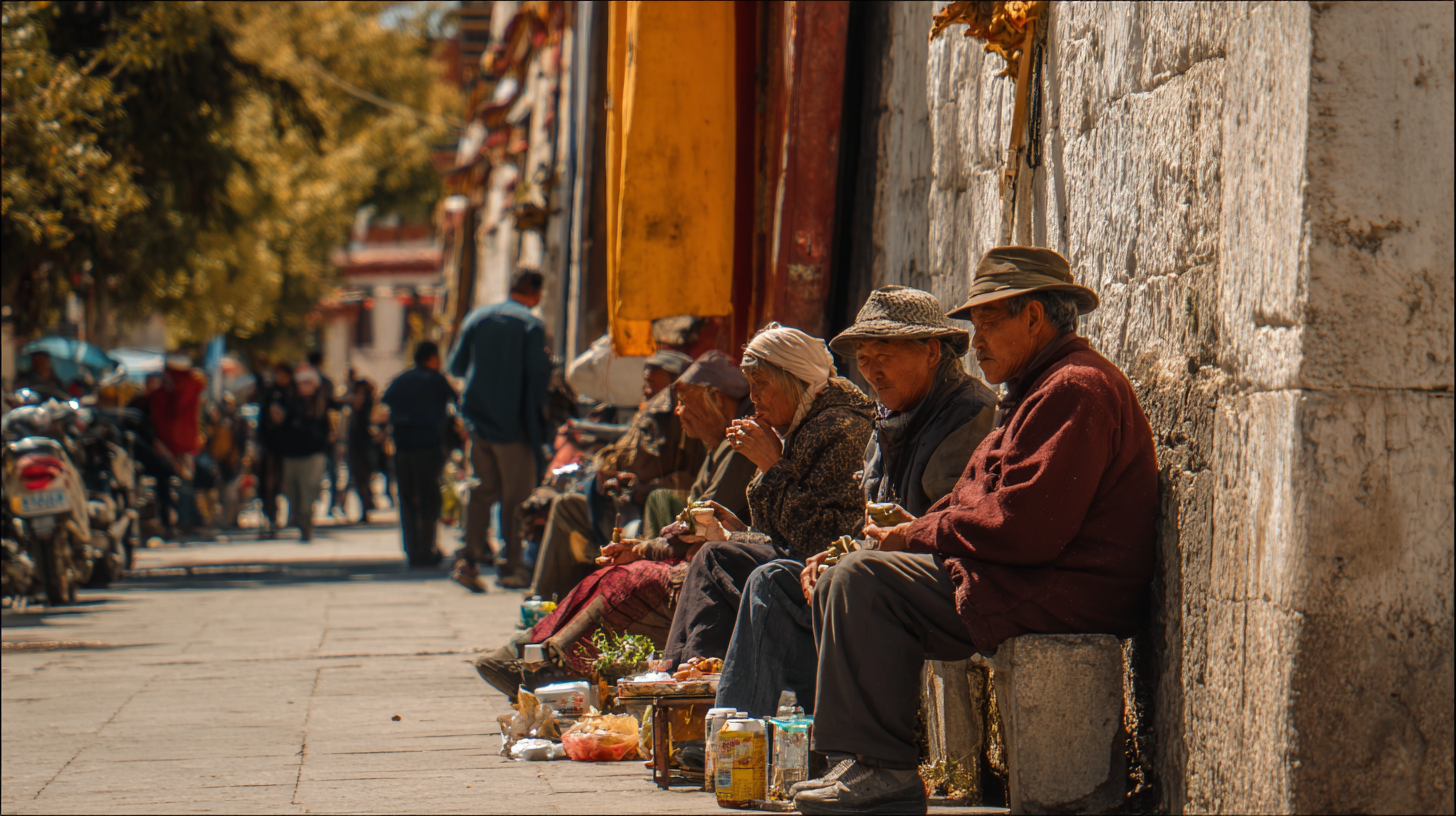
Barkhor Street: Encircling Jokhang Temple, this bustling marketplace is a cultural hub. You can find traditional Tibetan artifacts, thangka paintings, and local handicrafts.
3. Spiritual Experiences
Monastery Tours: Monasteries like Sera, Drepung, and Ganden offer a glimpse into monk life, complete with prayer ceremonies and debates on Buddhist philosophy.
Pilgrimage Circuits: Engage in ‘kora’, a spiritual circuit around sacred sites. Popular koras include those around the Potala Palace and Jokhang Temple.

Want to know the price of tours? Need to ask for a travel permit? Feel free to contact us. Funtrip can discuss your planned itinerary, assisting with customized, comprehensive planning and cost estimation.
4. Natural Beauty and Outdoor Activities
Yamdrok Lake: About 100 km from Lhasa, this turquoise lake, surrounded by snow-capped mountains, is a feast for the eyes.
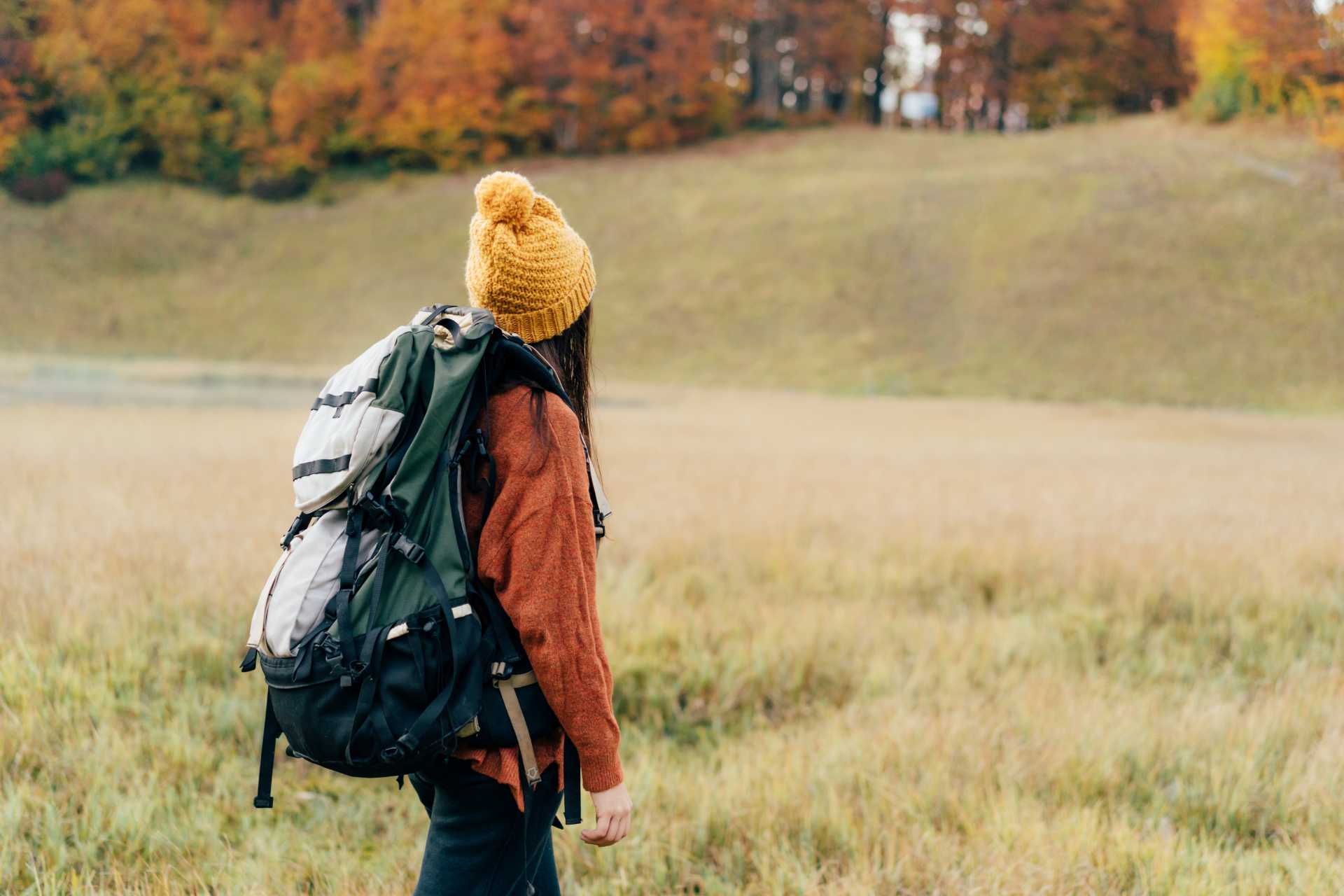
Hiking: Experience Lhasa’s environs on foot. From Ganden to Samye Monastery, the routes showcase the best of Tibetan landscapes.
5. Practical Tips and Considerations
Altitude Sickness: Lhasa sits at an altitude of about 3,650 meters. It’s common for travelers to experience altitude sickness. Ensure you acclimatize and consider consulting a doctor before embarking on your trip.
Travel Permits: International travelers need a Tibet Travel Permit to visit Lhasa. It’s recommended to make arrangements well in advance, typically through a local travel agency.
Local Etiquette: Respect is key. When visiting monasteries, remember to walk clockwise and avoid photographing monks without permission.
Local Cuisine: Don’t miss out on tasting traditional dishes like momos (dumplings), butter tea, and tsampa (roasted barley flour).
6. Best Time to Visit
For the optimal Lhasa Tibet travel experience, consider visiting between May and October. The weather is pleasant, and many local festivals occur during these months, providing a deep dive into Tibetan culture.
Conclusion
Lhasa, Tibet is more than just a travel destination; it’s a spiritual journey, an exploration of culture and self. With its rich history, religious fervor, and stunning landscapes, it promises an unforgettable experience. Whether you’re in search of spiritual awakening, a historical tour, or nature’s magic, Lhasa Tibet travel caters to all. Plan wisely, respect the local customs, and get ready to be enchanted by the wonders of Lhasa. Safe travels!