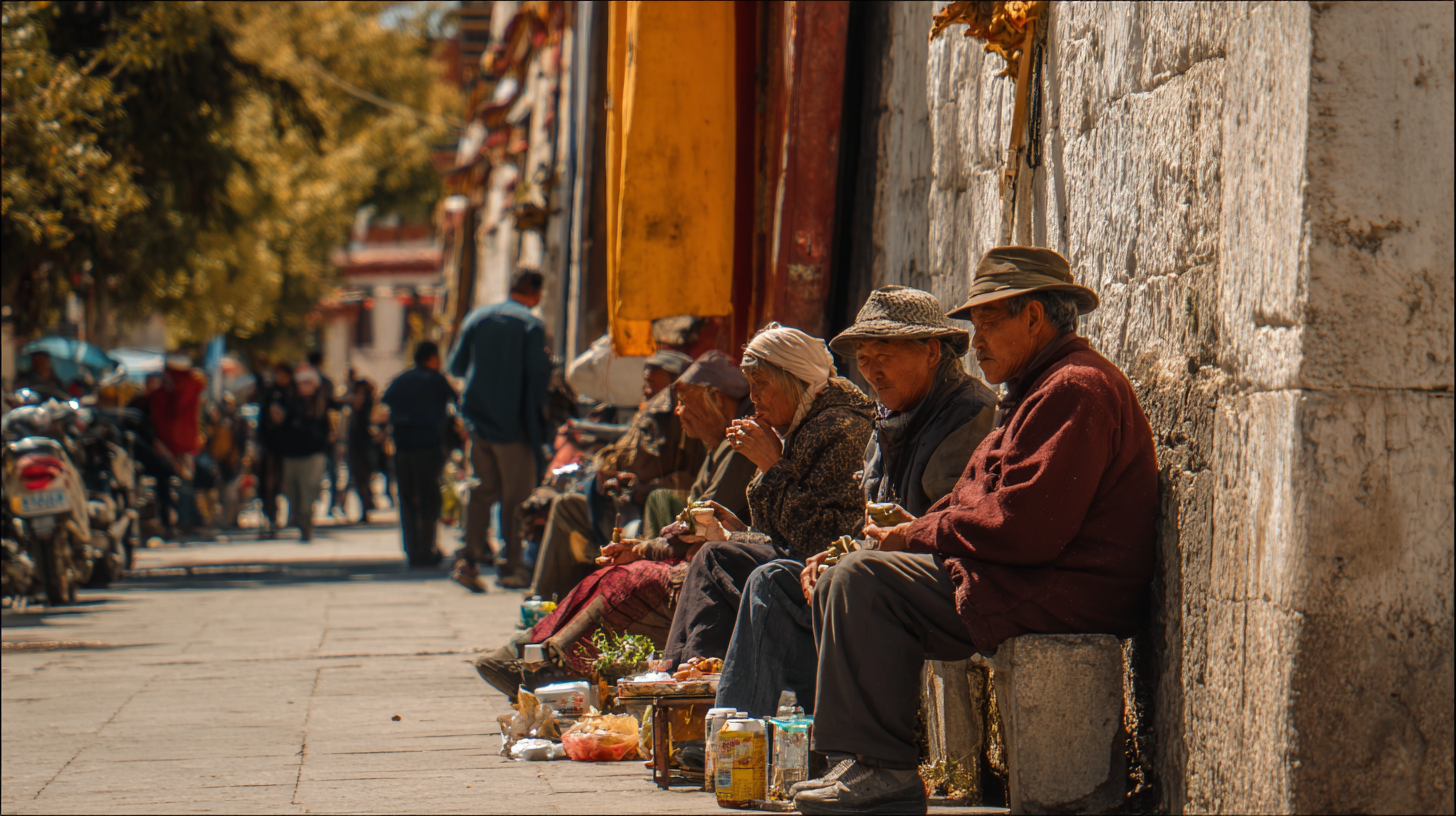
The Himalayas stretch across South Asia like a colossal, earthborn miracle. Spanning 2,500 kilometers through India, Nepal, Bhutan, China, and Pakistan, this iconic range is more than a geographical marvel. It holds within its peaks a living archive of natural wonders, diverse ecosystems, and centuries of cultural heritage. Whether you’re gazing at the summit of Mount Everest or walking through quiet mountain villages, each moment in these mountains reveals a story shaped by time, weather, and belief.
The Name and Geographical Grandeur of the Himalayas
The word “Himalaya” comes from the Sanskrit Himā-laya, meaning “abode of snow.” In Tibetan, it is known as the Land of Snow, while in Chinese it is referred to as Xǐmǎlāyǎ. The range stretches from Nanga Parbat in the northwest to Namcha Barwa in the southeast, bordered by the Karakoram and Hindu Kush mountains. Its width ranges from 200 to 300 kilometers, forming a striking divide between the high Tibetan Plateau to the north and the fertile Indo-Gangetic Plain to the south.
Towering Peaks Beyond Comparison
Within this range lie ten of the world’s highest peaks over 8,000 meters. These include Everest (8,848 meters), Kangchenjunga, Lhotse, Makalu, Cho Oyu, Dhaulagiri, Manaslu, Nanga Parbat, Annapurna, and Shishapangma. In addition, more than 40 peaks rise above 7,000 meters, making the Himalayas the tallest and most imposing mountain range on Earth.

Born of an Ancient Sea: Geological Origins
As one of the youngest mountain systems in the world, the Himalayas were formed by the collision of the Indian and Eurasian tectonic plates around 50 million years ago. This massive geological shift caused the Earth’s crust to fold and rise, eventually shaping the towering peaks we see today. Fossils of marine limestone found at the top of Everest confirm that this land was once the floor of the ancient Tethys Ocean.
Shaping Climates Across Asia
The Himalayas play a vital role in shaping regional weather. Acting as a barrier against monsoon winds from the Indian Ocean, they cause heavy rainfall across the southern plains, leading to rich agriculture and dense forests. At the same time, they prevent moisture from reaching the Tibetan Plateau, resulting in a dry, windswept climate. This contrast produces two very different worlds: lush valleys on the southern slopes and arid highlands to the north.
Cradle of Asia’s Great Rivers
Nineteen major rivers trace their origins to the Himalayas, including the Indus, Ganges, and Yarlung Tsangpo. These rivers, nourished by glacial melt and seasonal snow, sustain agriculture and provide water for hundreds of millions of people downstream. Their influence extends beyond the physical, shaping regional cultures, economies, and belief systems.

Shifting Weather and When to Visit
The Himalayas offer a remarkable range of climates. On the southern slopes, the summer temperature averages around 20°C, dropping slightly in winter. Mid-elevation areas cool to 15°C during the warm months and often fall below freezing in winter. Above 5,000 meters, snow remains throughout the year. For travel, Tibet is best visited between April and October. Nepal’s ideal seasons are February to April and again from October to November. In Bhutan, the clearest skies and most comfortable conditions arrive from October to December.
People and Cultural Diversity
More than 50 million people live across the Himalayan region, representing a mix of Aryan, Mongoloid, and Negrito ethnic groups. Downstream, nearly 600 million people rely on the rivers that begin in these mountains. The region’s cultural expressions are just as diverse. Tibetan Buddhism is dominant in the highlands, while mid-range valleys reflect influences from Afghan and Iranian traditions. In Nepal, both Hindu and Buddhist beliefs intertwine, creating a spiritual and cultural blend found nowhere else.
An Ecological Haven for Wildlife
Despite its rugged terrain, the Himalayas support a vast array of wildlife. Over 300 species of mammals live here, including snow leopards, wild yaks, musk deer, and Himalayan antelopes. Other animals, such as brown bears and black bears, inhabit lower elevations. The region is also rich in birds, reptiles, amphibians, and fish, with ecosystems that shift dramatically depending on altitude.

Botanical Riches
Plant life in the Himalayas is equally remarkable. From tropical rainforests at the base to alpine tundras at the summit, the region is home to over 10,000 plant species. Many are medicinal, and some are found nowhere else. The blue poppy, Nepal’s national flower, blooms in these high meadows, alongside other rare alpine plants that thrive in the thin air and intense sunlight.
Sacred Mountains and Spiritual Meaning
For many faiths, the Himalayas are sacred. In Hinduism, Mount Kailash is believed to be the dwelling of Shiva, attracting thousands of pilgrims each year. Tibetan Buddhism views the region as a path to spiritual awakening. Temples and monasteries throughout Bhutan, Nepal, and Tibet reflect centuries of devotion and a worldview that blends the natural and the divine.
Tales of Adventure and Mountaineering Legends
The Himalayas have drawn adventurers since the early 20th century. While Everest remains the most famous summit, countless other peaks have inspired climbers, scientists, and explorers. These mountains have witnessed triumphs, tragedies, and bold human attempts to test the limits of endurance in one of nature’s most extreme environments.
Everest and the Himalayas: Understanding the Difference
It’s common to hear people equate Everest with the entire Himalayas. However, Everest is only one peak among many. Though it holds the title of the tallest mountain, it is just one part of a range that spans five countries and includes hundreds of significant summits.
The Himalayas do not belong to any single nation. Instead, they stretch across India, Nepal, Bhutan, China, and Pakistan. Most of the highest peaks, including Everest, lie along the border between Nepal and Tibet, making this region a shared heritage shaped by geography and diplomacy alike.
The Enigma of the Yeti
Beyond the landscapes and spiritual traditions, the Himalayas are also home to mystery. Tales of the Yeti, a legendary creature said to roam these snowy heights, have captured imaginations since the 19th century. Sightings and strange footprints continue to stir curiosity, drawing explorers eager to uncover the truth behind the myth.
Final Reflections
The Himalayas are not just a chain of mountains. They are a living narrative of earth’s power, humanity’s curiosity, and nature’s quiet majesty. Whether you come to witness the awe-inspiring peaks, explore rare ecosystems, or engage with cultures rooted in centuries of faith, the journey will leave a lasting mark. For those drawn to mystery, beauty, and meaning, the Himalayas offer an experience unlike any other. Step onto this sacred terrain, and let it speak to you in a language older than words.