Introduction
Nestled in the heart of Xi’an, the Muslim Quarter is a vibrant and historic area, offering a unique blend of culture, history, and gastronomy. This bustling enclave is not only a hub for the Muslim community but also a magnet for tourists seeking an authentic experience of Xi’an’s diverse cultural landscape.
History and Significance
The Muslim Quarter’s history is deeply intertwined with Xi’an’s past, especially its role in the Silk Road. Over the years, it has evolved into a “Twelve Mosques” pattern, reflecting the area’s rich religious heritage and the resilience of its people, especially during challenging periods like the Cultural Revolution. The quarter showcases a distinct living style, with most residents engaging in private businesses, predominantly centered around Muslim religion or Hui ethnic culture.

Want to know the price of tours? Need to ask for a travel permit? Feel free to contact us. Funtrip can discuss your planned itinerary, assisting with customized, comprehensive planning and cost estimation.
The Heart of the Quarter: Beiyuanmen Moslem Street
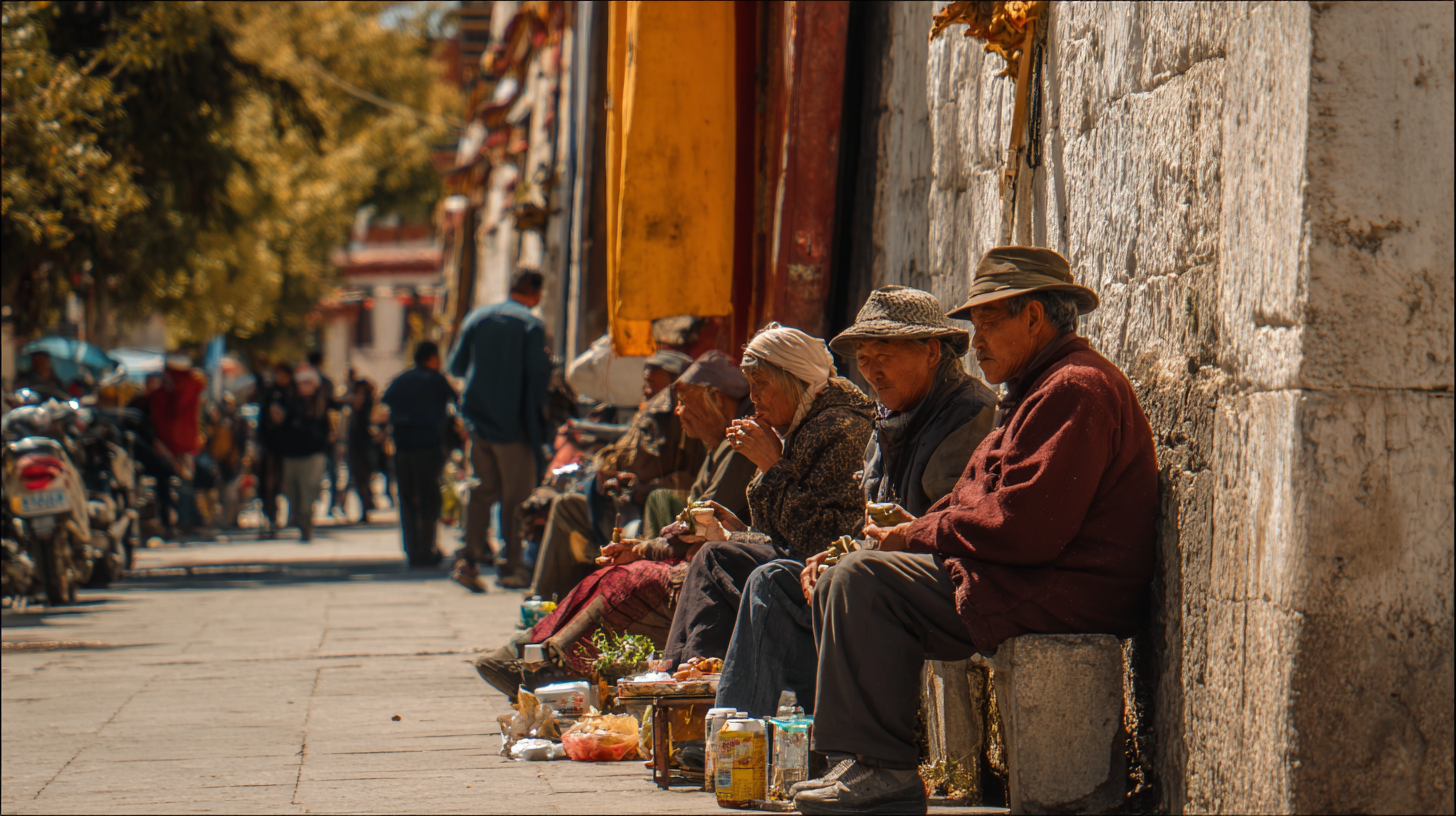
At the core of the Muslim Quarter is the Beiyuanmen Moslem Street, a picturesque lane lined with stores and bustling with activity. Here, Muslim men in traditional white hats can be seen engaging in leisurely conversations, while the air is filled with the aromas of authentic, hand-made Muslim food. The street is also known for its diverse range of local Shaanxi products and exquisite souvenirs.
A Culinary Adventure
Food is undoubtedly a major highlight of the Muslim Quarter. From the famed Yangrou Paomo (crumbled unleavened bread in mutton stew) to the unique persimmon pies of Lintong District, the area offers a plethora of traditional snacks that tantalize the taste buds. The quarter is renowned for its use of beef and mutton, a testament to its Islamic culinary influences.
Getting to the Muslim Quarter is convenient, with various bus routes and a metro line providing easy access. The area is open all day, with most stores operating from early morning till late at night. While exploring, tourists can also visit nearby attractions like the Bell Tower, Drum Tower, and Huajuexiang Grand Mosque.

Commercial and Environmental Aspects
The quarter’s commercial vitality is evident in its rising tourist numbers and increasing income. However, this growth has brought challenges, such as traffic congestion and environmental concerns like sewage blockages due to inadequate infrastructure.
Conclusion
The Muslim Quarter in Xi’an is more than just a tourist attraction; it’s a living museum that encapsulates the essence of Xi’an’s historical and cultural diversity. Whether you’re there for the food, history, or shopping, the Muslim Quarter offers an unforgettable experience.
Frequently Asked Questions
- What are the must-try foods in the Muslim Quarter?
- Yangrou Paomo, fried rice with pickled Chinese cabbage, roast beef or mutton, steamed stuffed buns, and persimmon pies are highly recommended.
- How can I reach the Muslim Quarter?
- The quarter is accessible by various buses and the Metro Line 2, with exits near the Bell Tower and Drum Tower.
- What are the operating hours of the Muslim Quarter?
- The area is open all day, but most stores typically operate from 08:00 to 23:00.
- Are there any nearby attractions worth visiting?
- Yes, the Bell Tower, Drum Tower, and Huajuexiang Grand Mosque are notable nearby attractions.
Analytical Table: The Evolution of Muslim Quarter
| Year | Development | Impact on Community |
|---|---|---|
| Ancient Era | Establishment as part of Silk Road | Emergence of Muslim community |
| 20th Century | Cultural Revolution challenges | Mosques closed or repurposed |
| Post-Cultural Revolution | Policy reforms and mosque restoration | Revival of religious practices |
| Present | Commercial and tourist growth | Economic boost and infrastructural challenges |
This table offers a concise overview of the key historical phases of the Muslim Quarter, highlighting its evolution from a Silk Road hub to a modern tourist destination, and the corresponding impacts on the local Muslim community.