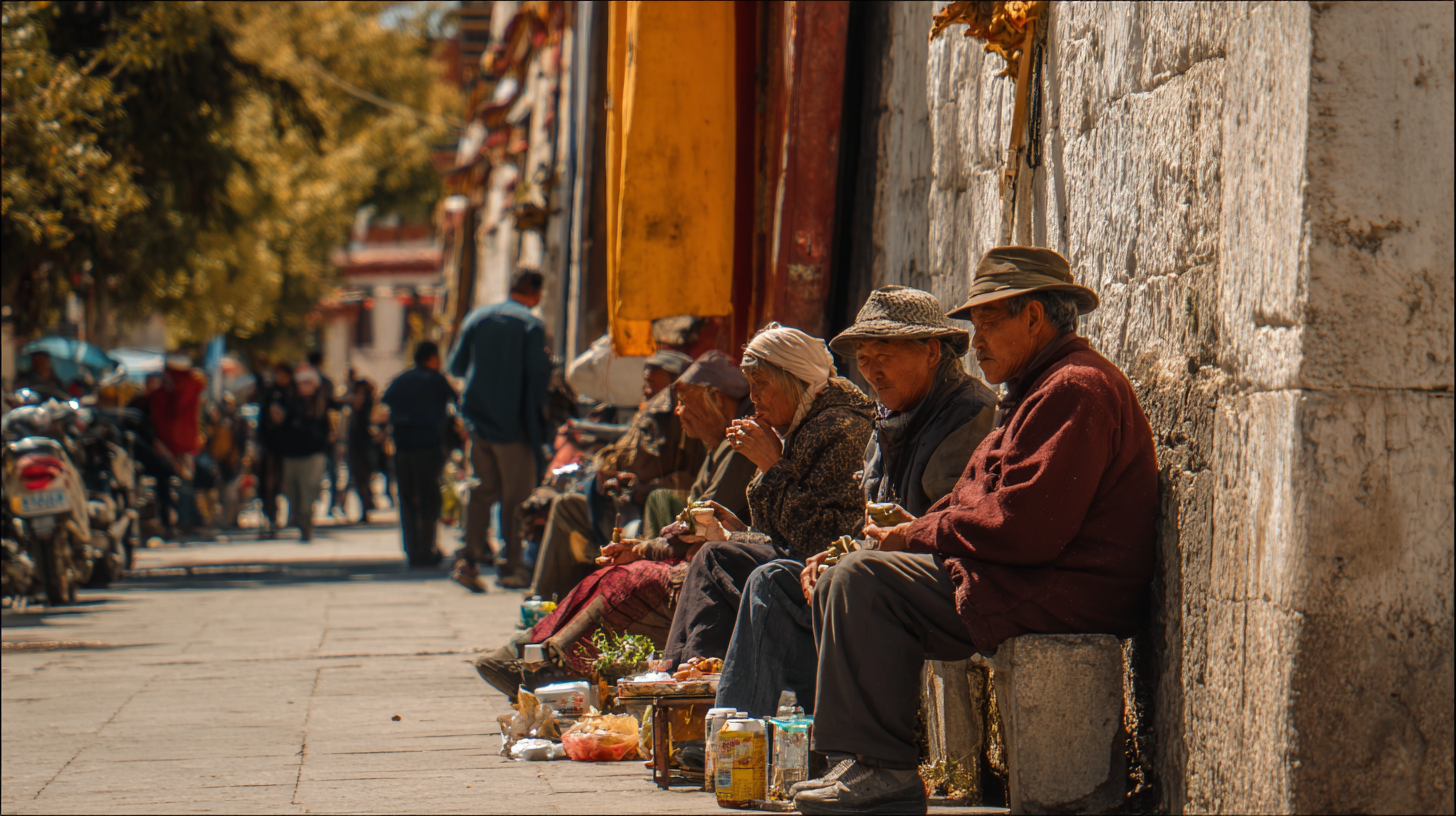
Overview of the Sichuan Tibet Highway
What is the Sichuan Tibet Highway?
- The Sichuan Tibet Highway is a network of roads that connects Sichuan Province to the Tibet Autonomous Region, spanning over 2,000 kilometers.
- The highway has two main routes: the Southern Route (G318) and the Northern Route (G317), both offering breathtaking scenery and unique cultural experiences.
- The Sichuan Tibet Highway is a popular destination for adventure seekers and those interested in exploring the natural beauty and rich cultural heritage of Western Sichuan and Eastern Tibet.
Cultural Significance and Historical Context of the Highway

The Sichuan-Tibet Highway is more than just a road; it is a lifeline that has connected the Sichuan Province to the Tibet Autonomous Region for centuries. Historically, this route has been a crucial trade artery, facilitating the exchange of goods, ideas, and cultures between these two regions. The construction of the highway itself was a monumental engineering achievement, overcoming the formidable challenges posed by the rugged terrain and harsh climate of the Tibetan Plateau.
The highway has also played a pivotal role in the spread and development of Tibetan Buddhism. Numerous monasteries and temples dot the route, serving as spiritual havens for pilgrims and monks alike. Sacred sites such as Lhasa and Mount Kailash are accessible via this highway, making it an essential pilgrimage route for Tibetan Buddhists. The cultural significance of the highway is further highlighted by the many festivals and events that take place along its length, celebrating the rich heritage of the region.
In contemporary times, the Sichuan-Tibet Highway has become a magnet for tourists eager to experience its breathtaking landscapes and cultural richness. This influx of visitors has spurred economic development and fostered greater cooperation between the Sichuan Province and the Tibet Autonomous Region, making the highway a symbol of both historical legacy and modern progress.
Geography and Climate of Western Sichuan

Location and Terrain
Western Sichuan, on the eastern Tibetan Plateau, is a region of striking landscapes—mountains, valleys, and grasslands—interlaced with major rivers like the Jinsha and Yangtze. Adjacent to the Tibetan Autonomous Region, it holds significant cultural and administrative importance, particularly noted for the Garze Tibetan Autonomous Region and the sacred Yala Snow Mountain.
Its unique climate features mild winters and cool summers, with large temperature swings between day and night, requiring layers even in warm seasons. Rain falls mostly during the monsoon months (June to September), turning valleys lush yet making travel challenging due to occasional landslides.
The region’s Tibetan communities have adapted over centuries, thriving through livestock farming and limited valley agriculture, especially barley, suited to short, cool growing seasons.
This geography and climate shape the cultural essence of Western Sichuan, where high-altitude monasteries and Tibetan traditions coexist with the rugged beauty of the plateau.
Best Time to Travel the Sichuan Tibet Highway

Weather and Road Conditions
The ideal time for traveling the Sichuan-Tibet Highway is from May to October, when the weather is mild, mostly sunny, with clear skies and minimal rainfall.
However, road conditions can be unpredictable, especially in the rainy season, with risks of mudslides and landslides along the route.
Preparing for Your Journey

Required Documents and Permits
- All foreign citizens need a Tibet Travel Permit to enter Tibet, which can only be obtained through a registered tour operator.
- A valid Chinese visa is also required for travel to Mainland China.
- Additionally, a Military Permit may be required for certain areas, such as Mount Kailash and Lake Manasarovar.
Packing Essentials for the Sichuan Tibet Highway

Clothing, Gear, and Medications
| Category | Essentials |
| Clothing | – Warm clothing (e.g., down jacket, gloves) for high-altitude conditions |
| – Comfortable clothing for layering and versatility | |
| – Sturdy boots for hiking and outdoor activities | |
| Gear | – Sunglasses and sunscreen for sun protection |
| – Personal hygiene items (toothbrush, toothpaste, wet wipes, etc.) | |
| – Water bottle and portable water purifier (for safe hydration) | |
| Medications | – Altitude sickness medication |
| – Basic first aid kit (band-aids, antiseptic, pain relievers) | |
| – Personal medications and any emergency medication (consult a doctor for specific recommendations) |
Accommodation and Dining Options

Local Cuisine and Restaurants
- Sichuan cuisine is famous for its bold flavors and spicy dishes, with popular options including hot pot and mapo tofu.
- Tibetan cuisine is also available, featuring dishes such as momos and thukpa.
- Accommodation options range from budget-friendly guesthouses to luxury hotels, with many options available in major towns and cities.
Southern Route (G318) Highlights and Attractions

Must-see Attractions and Scenic Spots
| Attraction | Description |
|---|---|
| Mount Gongga | Rising over 7,000 meters, this snow-capped peak is revered by Tibetan pilgrims and is a challenging summit for mountaineers. Known as the “King of Sichuan Mountains,” it is the highest peak in Sichuan Province. “Gongga” in Tibetan means “white,” symbolizing the pristine snowy mountain. |
| Zheduo Mountain | Dubbed the “First Pass of Kham,” crossing Zheduo Mountain (4,298 meters) marks a significant achievement for road travelers heading into Tibet. This pass is the first high mountain gateway on the Sichuan-Tibet route, serving as a cultural divide between Han and Tibetan regions. |
| Mugecuo Lake | Known as “Little Jiuzhaigou of Kangding,” this lake is surrounded by mountains, forests, and grasslands, with small lakes scattered around it, creating a scene reminiscent of stars around the moon. |
| Xinduqiao | A serene town in western Sichuan, often called the “Photographer’s Paradise” for its interplay of light and shadow. There are no distinct landmarks; rather, the stunning scenery speaks for itself. |
| Litang | Often referred to as the “Sky City” for its elevation over 4,000 meters, Litang is steeped in history as a trading hub along the Tea Horse Road. It exudes a unique spirit and offers a blend of diverse cultural exchanges. |
| Changqingchunke’er Monastery | Known also as Litang Monastery, it is a tranquil monastic institution with long white stupa walls and temples in red, white, and yellow hues, giving a peaceful and timeless atmosphere. |
| Daocheng Yading | This plateau region in western Sichuan, known as the “Last Pure Land on the Blue Planet,” is rich with glaciers, meadows, and forests. Yading’s “Three Sacred Mountains” represent compassion, wisdom, and bravery in Tibetan culture, with peaks that shine in golden sunlight. |
| Nyingchi | Unique among Tibetan regions for its lower altitude (below 3,000 meters), Nyingchi’s landscape combines alpine mountains with river valleys, creating a picturesque scenery often referred to as “the Switzerland of the East.” |
| Laigu Glacier | Situated in Chamdo Prefecture, Laigu Glacier is one of the world’s three major glaciers and the source of the Palong Tsangpo River. The area is breathtakingly scenic with sea clouds, sunrises, and glacier views. |
| Lhasa | Known as the “City of Sunshine,” Lhasa captivates visitors with its spiritual energy. Many come for the stunning landscapes and to experience the Tibetan lifestyle, while others find it a place of self-discovery and healing. The Southern Route is a popular choice for those embarking on a Sichuan Tibet overland tour, offering a blend of cultural immersion and stunning natural landscapes. |
Sichuan-Tibet Travel – Altitude Along the Southern Route (G318)

The altitude variation along the Southern Route of the Sichuan-Tibet Highway to Lhasa fluctuates significantly, depending on your location along the route.
Starting from Chengdu, which sits at around 500 meters above sea level, the elevation begins to climb after leaving Ya’an. By the time you reach the Erlang Mountain Tunnel, the altitude has already surpassed 2,000 meters. The boundary between Sichuan’s mountainous region and the Tibetan Plateau is marked by the Zheduo Mountain Pass, which stands at 4,298 meters, making it the highest point on the lower end of the route. Xinduqiao sits at around 3,300 meters, while the elevation drops to approximately 3,100 meters in Nyingchi. This rise and fall in elevation continues along the entire route until you reach Lhasa at 3,656 meters above sea level.
The G318 Sichuan-Tibet Highway traverses a variety of landscapes, including plains, hills, basins, and plateaus, offering a blend of thrilling, breathtaking, and majestic scenery. Along this route, you’ll encounter snow-capped mountains, lakes, forests, and rivers, with each kilometer bringing a new surprise and awe-inspiring view.
Northern Route (G317) Highlights and Attractions

Tibetan Cultural Experiences
- The Northern Route offers a unique cultural experience, passing through pastoral areas with higher elevation and sparser population.
- The route passes through the Ganze Prefecture, known for its Tibetan culture and stunning natural scenery.
- Must-see attractions include the Miyaluo Nature Reserve and the Tagong Grassland.
Choosing the Right Route for Your Adventure
Comparing the Southern and Northern Routes
- The Southern Route is more popular, with a focus on natural scenery and cultural experiences.
- The Northern Route is less crowded, with a focus on Tibetan culture and stunning natural scenery.
- Both routes offer a unique experience, and the choice ultimately depends on personal preference.
Safety Precautions and Emergency Contacts

Staying Safe on the Sichuan Tibet Highway
- Safety precautions include checking the weather forecast and road conditions before embarking on your journey.
- Emergency contacts include the local police and medical services, as well as your tour operator or guide.
- It is also recommended to stay informed about local conditions and potential hazards, such as altitude sickness and landslides.
Environmental Impact and Conservation Efforts

The Sichuan-Tibet Highway, while a marvel of human ingenuity, has also brought environmental challenges to the fragile ecosystem of the Tibetan Plateau. The increased tourism and infrastructure development have raised concerns about their impact on local wildlife, including endangered species like the snow leopard and the Tibetan antelope.
In response to these environmental concerns, the Chinese government has taken significant steps to mitigate the impact. Various nature reserves and protected areas have been established along the highway to safeguard the region’s biodiversity. Measures such as limiting the number of tourists and promoting sustainable tourism practices are also in place to reduce the environmental footprint.
Local communities have been instrumental in these conservation efforts. Initiatives like community-based conservation programs and the promotion of eco-tourism aim to protect natural resources while fostering sustainable development. These efforts ensure that the natural beauty and ecological integrity of the Tibetan Plateau are preserved for future generations.
Local Festivals and Events Along the Highway

The Sichuan-Tibet Highway is a cultural tapestry woven with vibrant festivals and events that offer a deep dive into the region’s rich heritage. Among the most notable celebrations is the Tibetan New Year, or Losar, which takes place in February or March. This festival is marked by traditional music, dance, and sumptuous feasts, providing a joyous start to the Tibetan calendar.
Another significant event is the Saga Dawa festival, held in May or June, which commemorates the birth, enlightenment, and death of Buddha. The festival is a time for spiritual reflection and community gatherings, featuring rituals, prayers, and cultural performances.
In August, the Shoton Festival, also known as the Yogurt Festival, takes center stage. This event is celebrated with Tibetan opera performances, yak races, and the consumption of yogurt, symbolizing the end of the monks’ meditation retreat.
The Litang Horse Racing Festival, also in August, is a thrilling spectacle of traditional horse racing and cultural displays. This festival not only showcases the equestrian skills of the Tibetan people but also serves as a vibrant expression of their cultural identity.
These festivals and events are more than just celebrations; they are windows into the soul of the region, offering visitors a unique opportunity to experience the traditions and communal spirit of the Tibetan and Sichuanese people.
Wildlife and Natural Reserves

The Sichuan-Tibet Highway traverses some of the most ecologically diverse regions in the world, home to a plethora of wildlife and natural reserves. The high-altitude grasslands of the Tibetan Plateau are a sanctuary for the Tibetan antelope, a species adapted to the harsh conditions of this unique ecosystem.
The elusive snow leopard, a symbol of the rugged beauty of the Tibetan Plateau, roams the mountainous regions along the highway. Bird enthusiasts will be thrilled to spot the majestic golden eagle soaring above the peaks, while the Tibetan gazelle can be seen grazing in the grasslands.
Several notable natural reserves along the highway offer a haven for these species. The Wolong National Nature Reserve is renowned for its giant panda population, but it also provides a habitat for the snow leopard and other wildlife. The Mount Siguniang National Nature Reserve, with its stunning peaks and diverse flora and fauna, is another must-visit for nature lovers.
The Daocheng Yading National Nature Reserve, often referred to as the “Last Pure Land on the Blue Planet,” is a pristine area that supports a wide range of wildlife, including the Tibetan antelope and the snow leopard. These reserves not only protect the region’s biodiversity but also offer visitors a chance to experience the awe-inspiring natural beauty of the Tibetan Plateau.
In conclusion, the Sichuan-Tibet Highway is not just a route but a journey through history, culture, and nature. Each section of the highway offers a unique experience, from the spiritual significance of its monasteries to the vibrant festivals and the breathtaking natural reserves. Whether you are an adventure seeker, a cultural enthusiast, or a nature lover, the Sichuan-Tibet Highway promises an unforgettable journey through one of the most fascinating regions in the world.
Guided Tours and Self-Drive Options

Benefits of Guided Tours and Self-Drive Adventures
- Guided tours offer a hassle-free experience, with a knowledgeable guide and support team.
- Self-drive options offer flexibility and independence, with the freedom to create your own itinerary.
- Both options have their benefits, and the choice ultimately depends on personal preference and experience.
Conclusion
Final Thoughts and Recommendations for Exploring the Sichuan Tibet Highway
- The Sichuan Tibet Highway is a unique and unforgettable adventure, offering breathtaking scenery and rich cultural experiences.
- With proper preparation and planning, travelers can ensure a safe and enjoyable journey.
- Whether you choose the Southern Route or the Northern Route, the Sichuan Tibet Highway is an adventure that awaits.