Adi Kailash Temple, often revered as one of the ancient and sacred Hindu temples, holds a significant place in Indian spiritual tourism. Nestled in the Himalayas, this temple is not just a religious site but also a marvel of natural beauty and spiritual tranquility.
Location and Accessibility
Adi Kailash, also known as Chota Kailash, is located in the Indian state of Uttarakhand, near the Indo-Tibetan border. This remote temple is part of the greater Kailash Mansarovar region. Accessing Adi Kailash usually involves a combination of road travel and trekking, making it an adventurous journey for pilgrims and nature enthusiasts alike.
Significance in Hinduism
In Hindu mythology, Adi Kailash is considered a divine abode of Lord Shiva. It is believed to radiate immense spiritual energy, attracting devotees seeking blessings and spiritual enlightenment. The temple’s association with Lord Shiva adds to its religious importance, drawing a parallel to the more famous Mount Kailash in Tibet.

Want to know the price of tours? Need to ask for a travel permit? Feel free to contact us. Funtrip can discuss your planned itinerary, assisting with customized, comprehensive planning and cost estimation.
Trekking and Natural Splendor
The trek to Adi Kailash is not just a spiritual journey but also an exploration of the Himalayan ecosystem. Trekkers encounter diverse flora and fauna, along with breathtaking views of snow-capped peaks, lush valleys, and serene landscapes. This journey is often described as transformative, combining physical challenge with spiritual upliftment.
Cultural Experience
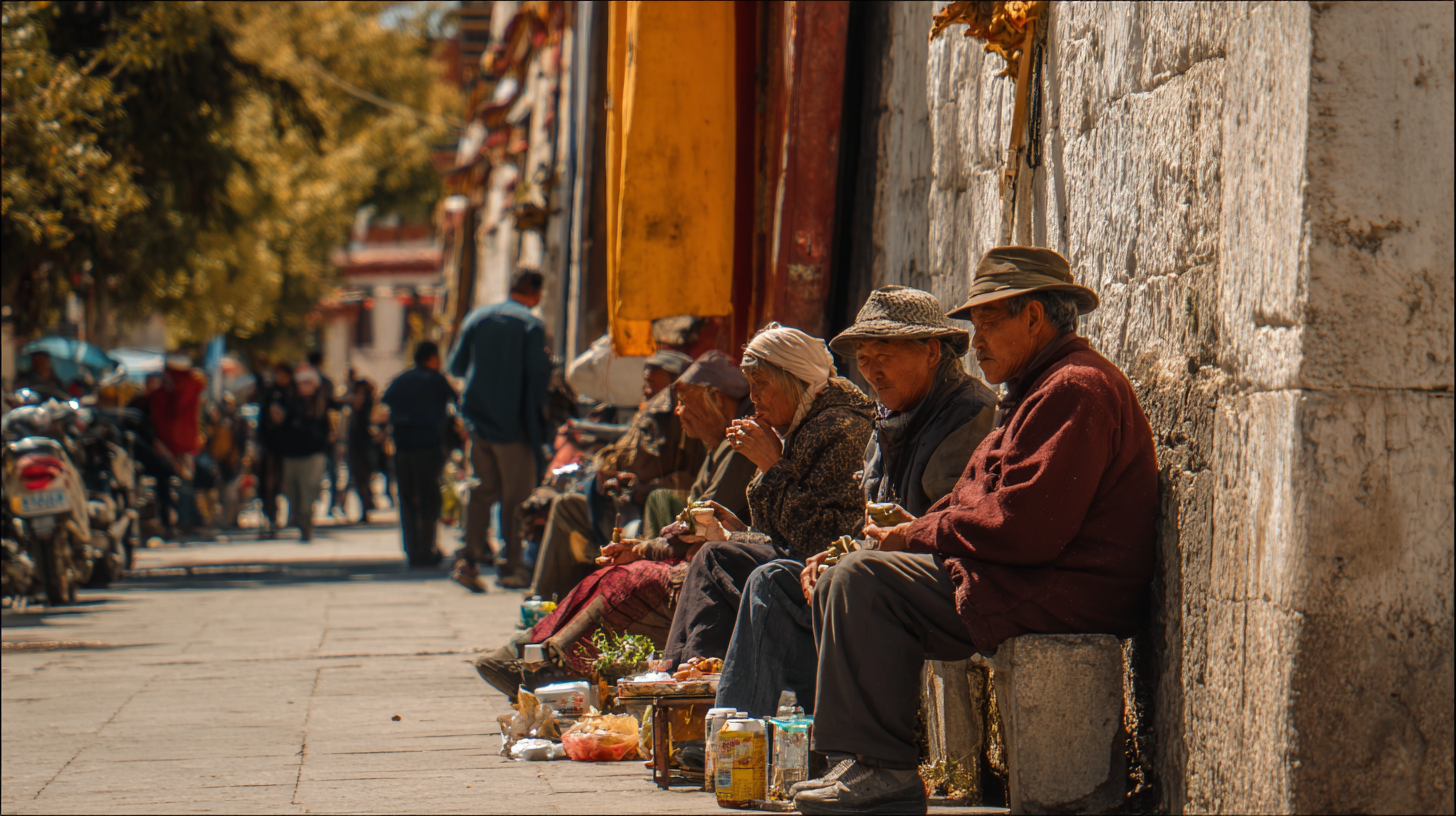
Visitors to Adi Kailash not only engage in religious activities but also get a chance to immerse themselves in local culture. The region is home to various indigenous communities with rich traditions and customs. Interaction with these communities provides insights into their unique way of life, adding a cultural dimension to the pilgrimage.
Sustainable Tourism
Given its remote location and ecological sensitivity, sustainable tourism practices are crucial in the Adi Kailash region. Efforts are often made to minimize environmental impact, promoting eco-friendly travel practices among visitors. This approach helps preserve the natural and cultural heritage of the area for future generations.
Planning Your Visit
For those planning to visit Adi Kailash, it is important to consider factors like altitude acclimatization, travel permits, and the best time to visit, usually between May and October. Engaging with local travel guides and agencies can provide valuable assistance in navigating the logistical aspects of the journey.
In summary, Adi Kailash Temple is not just a pilgrimage destination but a holistic experience blending spirituality, nature, and culture. Its remote location adds an element of adventure, making it a unique destination for those seeking a deeper connection with nature and spirituality.
FAQs:
What is the best time to visit Adi Kailash?
- The ideal time is between May and October, considering the weather and accessibility.
Do I need special permits to visit Adi Kailash?
- Yes, visitors often require permits due to its proximity to international borders.
Is the trek to Adi Kailash challenging?
- The trek can be challenging due to its altitude and terrain, suitable for those in good physical condition.
Can I experience local culture during my visit?
- Absolutely, the region offers rich cultural experiences through its indigenous communities.
For more detailed information or specific queries, consulting with local tour operators or travel guides is recommended. They can provide updated information and help in planning a safe and enriching journey to Adi Kailash.