Introduction
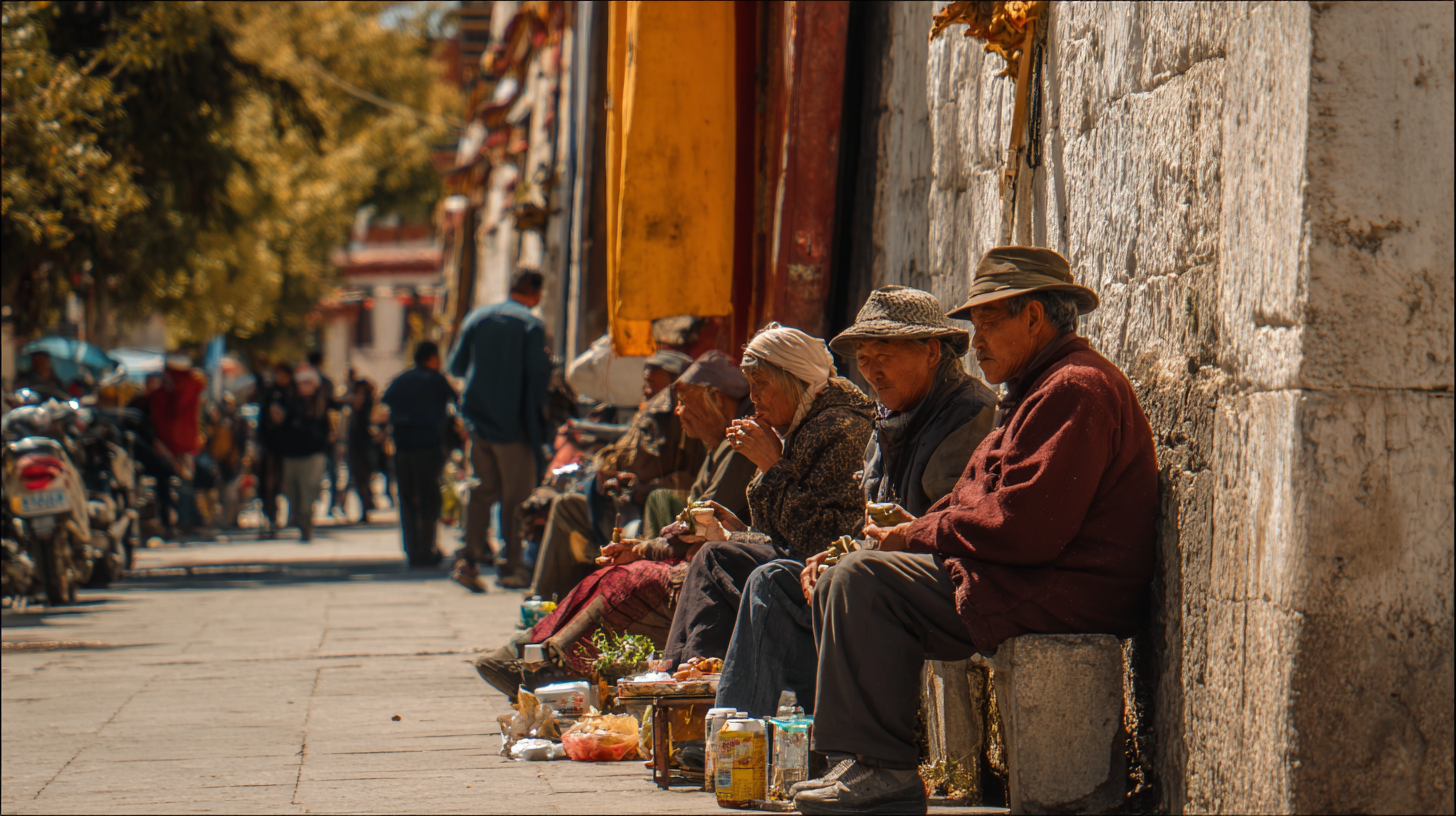
Imagine strolling through the bustling streets of Urumqi, the heart of Xinjiang, where the aroma of unique and savory snacks fills the air. This article is your guide to exploring the rich and diverse flavors of Xinjiang cuisine, a hidden gem in China’s vast culinary landscape. Tailored for travelers seeking an authentic taste adventure, we’ll dive straight into what makes these snacks a must-try, without beating around the bush.
Xinjiang Cuisine: A Blend of Cultures and Flavors
Xinjiang cuisine, a fusion of Chinese, Turkish, and Russian culinary traditions, offers an extraordinary variety of flavors. Predominantly halal, the food here reflects the ethnic diversity of the region. Key ingredients include lamb, beef, various types of bread, and an abundance of fresh vegetables and fruits. Spices like cumin and pepper add a distinct kick to the dishes.

Street Snacks: The Stars of Urumqi
In Urumqi, street food is not just food; it’s an experience. Lamb skewers, known as chuanr, are a must-try. Marinated in a mixture of spices and grilled to perfection, these skewers offer a juicy and flavorful bite. Another staple is the famous Uyghur bread, or naan, a crispy yet soft delight, often enjoyed with local tea. Don’t miss out on the savory samsa, a baked pastry filled with spiced meat and onions, a true representation of Uygur culinary art.
The Snacks in Urumqi List
- Lamb Skewers (Chuanr): Juicy lamb pieces marinated in a blend of spices and grilled, offering a burst of flavor with every bite.
- Uyghur Bread (Naan): A crispy yet soft bread, perfect as a snack or accompaniment to tea.
- Samsa: Baked pastries filled with spiced meat and onions, showcasing the richness of Uygur culinary traditions.
- Dapanji (Big Plate Chicken): A hearty dish of chicken stewed with potatoes, peppers, and spices, often shared among friends.
- Nang Bao Rou (Bread Stuffed with Meat): Bread filled with tender, seasoned meat, a satisfying and portable snack.
- Liangpi (Cold Noodles): Refreshing cold noodles served with a tangy and spicy sauce, ideal for warmer days.
- Shou Zhua Fan (Hand-Grabbed Rice): Fragrant rice mixed with carrots, raisins, and tender chunks of meat, eaten with hands.
- Youtazi (Deep-Fried Dough Twists): Crispy, twisted dough snacks, slightly sweet and very addictive.
- Zhuafan (Pulled Rice): A unique dish where rice is mixed with vegetables and meat, and pulled by hand to create a distinctive texture.
- Roasted Whole Fish: Seasoned and roasted fish, often a street-side spectacle and a delight for seafood lovers.
Each of these snacks offers a unique insight into the rich and diverse culinary culture of Urumqi, making them must-tries for any visitor.

Cultural Significance and Health Benefits
Each snack in Xinjiang is not just a treat for the taste buds but also a reflection of the region’s rich cultural tapestry. Moreover, the use of fresh ingredients and moderate spices in Xinjiang cuisine makes it a healthier option compared to some other Chinese regional foods.
Funtrip: Your Gateway to Culinary Exploration
For travelers looking to fully immerse themselves in the Xinjiang culinary scene, Funtrip offers personalized travel services. They can guide you to the best local eateries and provide insights into the history and culture behind each dish, ensuring a comprehensive and delightful culinary journey.

Conclusion
Urumqi’s streets offer more than just food; they offer stories, a cultural mosaic, and an unforgettable gastronomic experience. Whether you’re a seasoned traveler or a first-time visitor to China, exploring the snacks of Xinjiang is a journey that
excites the palate and enriches the soul. With the help of services like Funtrip, you can navigate this culinary landscape with ease and authenticity. So, are you ready to take your taste buds on an unforgettable adventure through the flavors of Xinjiang?