Fact 1 Monasteries: Rebuilding Faith from Seven Thousand to One Thousand

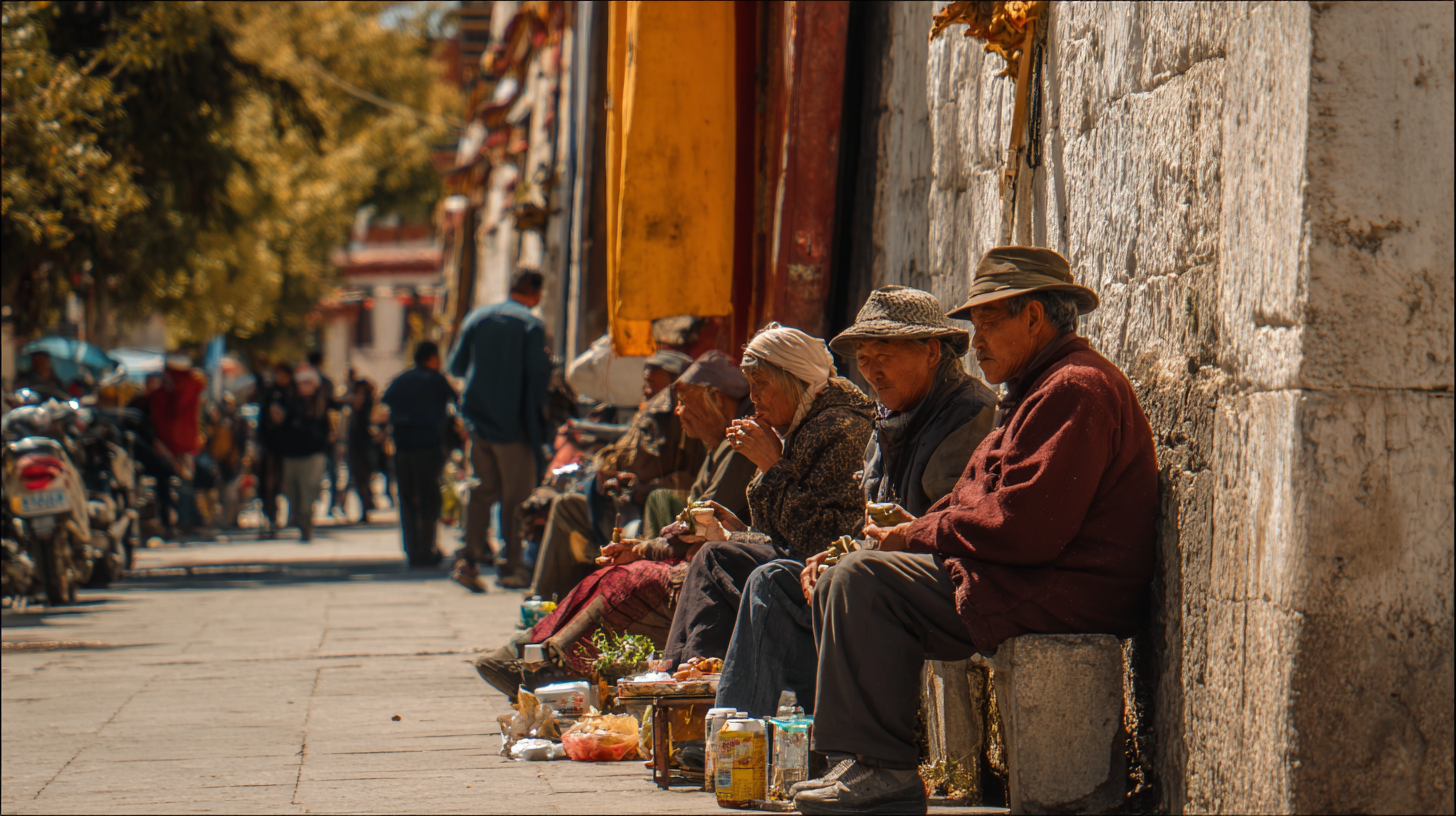
In the mid-twentieth century, sweeping political movements brought down more than six thousand monasteries across Tibet, leaving only a handful standing. Recent figures suggest that roughly two thousand religious sites are active today, yet the number of resident monks is still far below pre-1959 levels. Iconic places such as the Potala Palace, Jokhang Temple, and Sera Monastery now balance two streams of visitors: pilgrims who circle the shrines with quiet devotion, and tourists who hurry to frame the perfect photo. These parallel currents create a peculiar form of “dual pilgrimage,” where spiritual merit and social media recognition mingle on the same sacred ground.
Question | Does the tourist high season dilute the depth of practice?
Ticket prices and incense sales soar at peak times, but fast-paced guided tours and staged rituals sometimes replace contemplative rhythm. When prayer wheels become photo props, travelers need to ask themselves whether they are enriching cultural understanding or merely adding another checkmark to a travel list.
Fact 2 The Five Colors: The Politics of Elements in Everyday Life
Red, white, yellow, green, and blue are more than festive hues; they correspond to fire, air, earth, water, and space in Tibetan Buddhism. Stroll through Barkhor Street and you will see prayer flags flapping in a strict color sequence, casting blessings on the wind. Temple murals pair deep-blue backgrounds with gilt borders to evoke the vastness of space, while crimson robes channel the energy of fire.
Question | When mass-produced prayer flags flood the market, does their efficacy remain?
To meet tourist demand, factories churn out cheap synthetic flags that resist natural weathering and sometimes pollute mountain streams. If the flags no longer return to dust, the humble act of offering to the elements risks turning into something far less elemental.

Fact 3 Four Seasons: Is the “Year-Round Destination” Claim Overly Idealistic?
- Spring and autumn (April–May, September–October) tend to be dry and clear, offering crisp views of Everest and the Nyenchen Tanglha range.
- Summer (June–August) is the rainy season, yet grasslands turn lush and festivals such as horse races and the Shoton yogurt celebration fill the calendar.
- Winter (November–February) brings biting cold and arid winds. Visitor numbers drop, airfares tumble, and the Potala Palace opens free to local devotees, giving the city a distinctly devotional mood.
Question | Do “best season” tips gloss over altitude risks?
Even on mild midsummer days the oxygen level remains one-third lower than at sea level. Some agencies underplay acute mountain sickness, leading eager newcomers to sprint up the Potala’s steps on day one only to spend nightfall on intravenous fluids. Seasonal advice without health guidance is little more than marketing polish.
Fact 4 Tibetan Calendar: Three New Years and a Unique Sense of Time

| Festival | Tibetan Date | Approx. Gregorian Month | Key Features |
|---|---|---|---|
| Losar (New Year) | 1st day of month 1 | February | Family rites, exorcism dances |
| Monlam Great Prayer Festival | 15th day of month 1 | Late February–March | Debates, giant thangka unveiling |
| Shoton Festival | 30th day of month 6 | August | Yogurt feasts, traditional opera |
| Element New Year | 1st day of month 11 | December | Mountain offerings, year-ahead prayers |
Because these events follow a lunisolar system, their Gregorian dates shift each year. Travelers seeking the giant thangka reveal or horse-race season should pin down the Tibetan lunar date rather than rely on last year’s Western calendar.
Question | Has commercialization distorted the religious essence?
Some tour packages market Losar as an “exotic countdown party” complete with fireworks, DJs, and toasts with canned oxygen, overlooking that Losar is primarily about ancestral worship and karmic purification. When festivals are trimmed into spectacle, the chance for genuine exchange shrinks.
Fact 5 The Sky Road: High-Altitude Airports and Their Hidden Costs

| Airport | Elevation (m) | Key Routes | Open to Foreign Visitors |
|---|---|---|---|
| Lhasa Gonggar | 3 600 | Chengdu, Xi’an, Kathmandu | Yes |
| Nyingchi Mainling | 2 949 | Chongqing, Chengdu | Yes |
| Shigatse Peace | 3 782 | Chengdu, Chongqing | Yes |
| Qamdo Bamda | 4 334 | Chengdu, Chongqing | Yes |
| Ngari Gunsa | 4 274 | Lhasa | Restricted permit required |
A flight of two to three hours now replaces what was once a week-long caravan. Rail remains scenic but tickets are scarce and the journey demands at least a full day, so most overseas travelers still favor the sky route.
Question | Do new runways raise environmental stakes?
Extending a strip of tarmac often means leveling permafrost terraces and fencing off alpine pastureland. While officials highlight economic dividends, herders worry that pasture rights may vanish with the next expansion project.
Fact 6 The Yak: The High Plateau’s All-Purpose Hardware Supplier

Yak meat, dairy, hide, and fiber form the backbone of the highland economy. Butter becomes both culinary staple and lamp fuel; coarse hair blends with sheep wool to weave unusually light yet warm shawls; sun-dried dung burns steadily through sub-zero nights. Archaeological digs show that dried yak dung fires sustained early plateau dwellers, and many nomads still rely on the same technique today.
Question | Will climate change upend the yak ecosystem?
Over the past decade, shrinking grasslands and frequent droughts have pushed herds farther in search of forage. Researchers warn that a two-degree rise in average temperature could render traditional grazing zones unviable, threatening a culture that has depended on yak companionship for millennia.
Beyond Secrets, Choices Remain
Guidebooks often paint Tibet as a spiritual utopia, rarely mentioning the environmental stress of tourism or the delicate compromises locals make to preserve heritage. Before you pack your bags, study the lunar dates, allow time to acclimatize, and choose low-impact travel practices. By moving thoughtfully and respecting local rhythms, we can keep these hidden facets from fading into the shutter clicks of passing visitors, giving them space to be heard, shared, and sustained for generations to come.