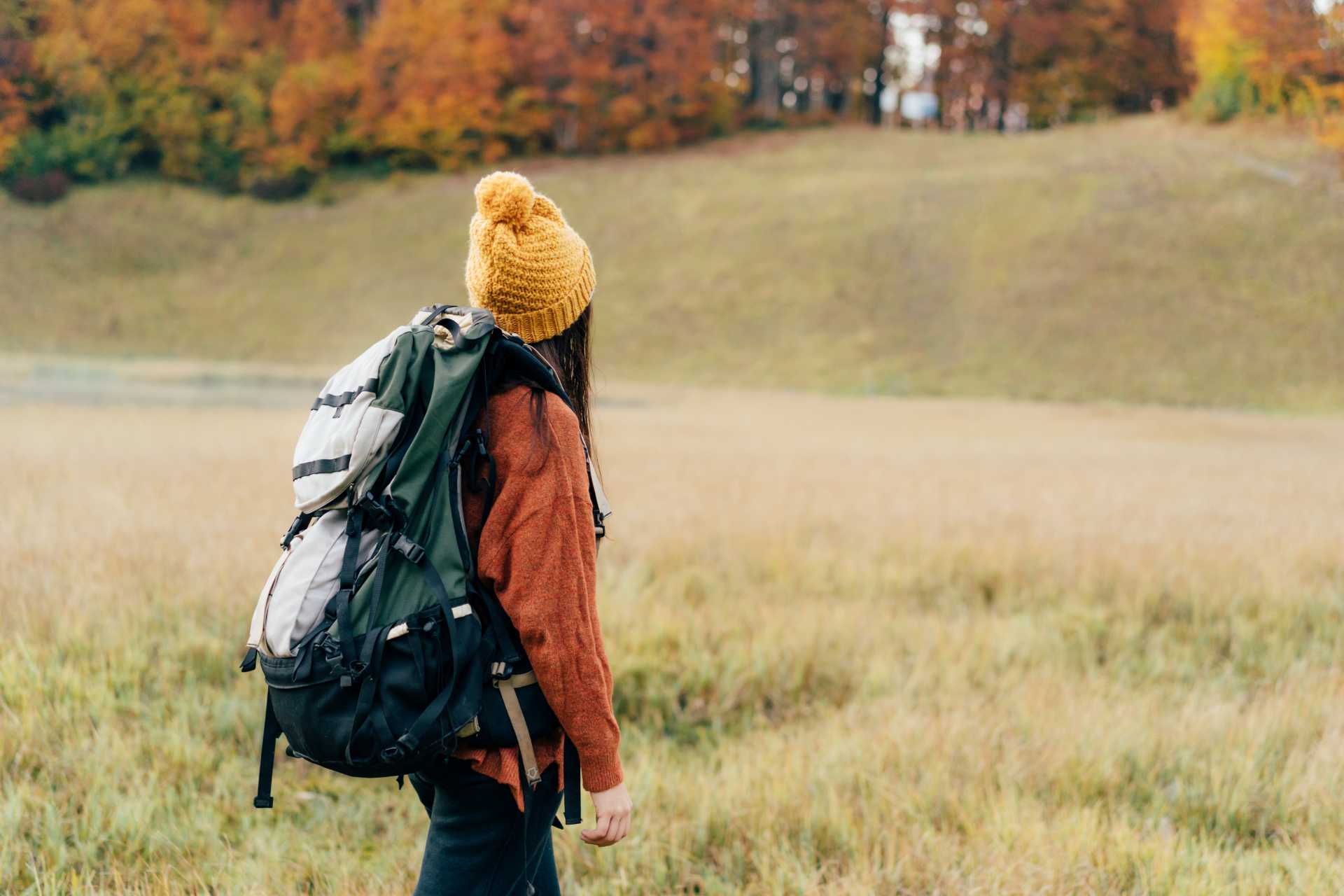
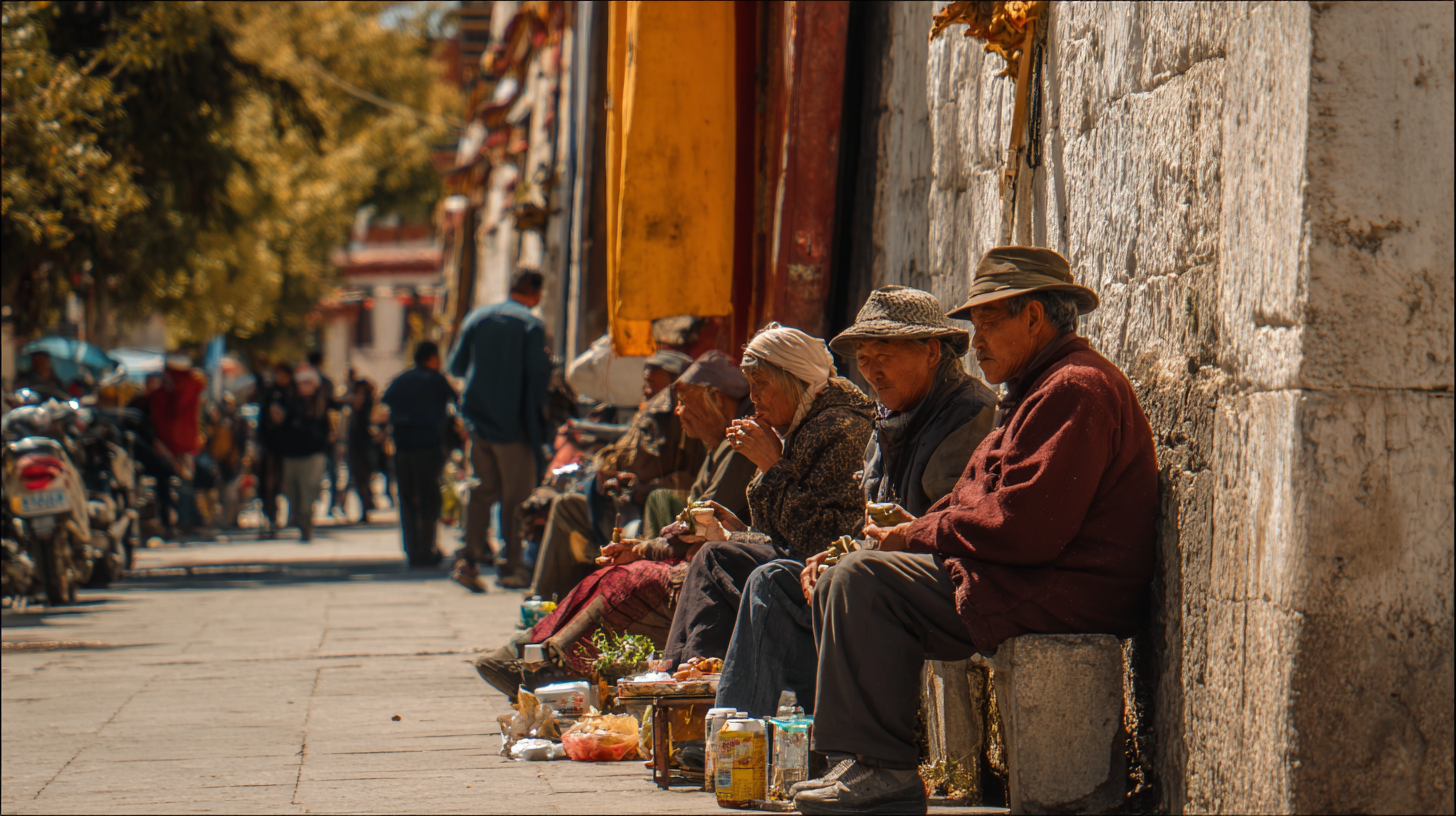
When arriving alone at Lhasa Gonggar Airport, most travelers are first struck by the thin air—then remember they’re not truly solo. Current policies require all foreign visitors to obtain a Tibet Travel Permit in advance through a licensed travel agency, and to be accompanied by a local guide throughout the journey. This isn’t just a bureaucratic requirement; it significantly enhances personal safety. What follows is a comprehensive guide that blends essential knowledge with nuanced risk management, offering solo adventurers clarity and confidence—even when walking side by side with their guide.
Certified Guides × Low Crime Rates: A Dual Layer of Safety
The Guide System
Whether you’re booking a private tour or joining a small group, a certified Tibetan guide is mandatory. These professionals know the terrain, understand religious customs, and can act swiftly if altitude sickness occurs.
General Safety
Tibet’s crime rate is remarkably low. Street harassment is rare, and even solo female travelers can stroll the Barkhor area at night with a basic level of caution.
A Note of Caution
Low crime doesn’t mean zero risk. During peak hours around Jokhang Temple, an unzipped waist pouch can still attract pickpockets.
High Altitude Acclimatization: The Real Test is Your Body
With an average elevation of 4,500 meters, oxygen deprivation is a challenge you can’t ignore.
- Consult a physician before departure to evaluate whether acetazolamide (Diamox) is necessary as a preventive measure.
- Upon arrival in Lhasa, rest for 24 hours. Avoid hot showers or celebratory drinking.
- Stay hydrated, but cut back on coffee and hard liquor. Dehydration doubles your chances of acute mountain sickness.
- If a headache worsens, your guide can provide oxygen for temporary relief. If symptoms escalate, descend immediately.
Skeptic’s Corner
Some agencies advertise day-trips to Everest Base Camp. In reality, rushing from Lhasa (3,650 m) to the north face of Everest (5,200 m) drastically increases the risk of altitude sickness. Insurance claims may even be denied if the itinerary doesn’t allow for proper elevation gain.
Connectivity and Network: Coverage Isn’t Everywhere

While 4G/5G is widespread along main routes, remote areas still suffer from blackouts. Before heading into the mountains, save offline maps, emergency contacts, and hospital addresses to your device.
Current 5G Availability
- Over 19,500 5G base stations are active across Tibet.
- 87.6% of administrative villages now receive 5G signals.
- Major roads (G109, G214, G317, G318) and popular attractions have over 85% 4G/5G coverage.
Rural Coverage Gaps
China Mobile and Unicom SIM cards may drop to zero bars at elevations above 4,000 meters or in narrow valleys. Install offline maps from Maps.me or Organic Maps to ensure navigation doesn’t fail.
VPN Survival Tips
VPN usage isn’t illegal, but Tibetan customs and checkpoints along the Qinghai-Tibet Highway may randomly inspect phones. An app icon on your home screen doesn’t guarantee deletion, but some travelers have been asked to uninstall VPNs on the spot. Weigh whether you truly need real-time access to Google services before deciding whether to hide or remove the app. Prepare a “Plan B” for offline functionality if needed.
Emergency Medical and Insurance: Oxygen Saves Lives, So Does Cash Flow
| City | Key Medical Facility | Hyperbaric Chamber | Best for |
|---|---|---|---|
| Lhasa | Lhasa People’s Hospital | Yes | Mild to moderate AMS, headaches |
| Xining | North Campus of First People’s Hosp. | Yes | Suspected pulmonary edema |
Insurance Pitfalls
Some high-altitude insurance plans claim to cover helicopter evacuations but require an upfront payment of over ¥100,000. Without sufficient credit limits, such policies are practically useless for backpackers.
Female-Specific Concerns
Outside Lhasa, sanitary supplies are limited. Long-distance hikers should bring menstrual cups or enough supplies for the entire trip.
Drone Regulations: Bypass No-Fly Zones, End Up in Detention

Areas within 20 km of Potala Palace, airports, and most monasteries are designated no-fly or restricted zones.
Since February 2025, Lhasa police have enforced penalties of up to 10 days’ detention and ¥20,000 fines for bypassing geofencing restrictions.
Use the Civil Aviation Authority’s U-Cloud app to check your flight zone and always get your guide’s approval before launching.
Reminder from Authorities
In February, Lhasa police warned: “Any attempt to bypass geofencing software or modify drone firmware will be strictly punished.” If you’re hoping to sneak your FPV drone through the windows of Potala Palace for an “epic shot,” consider first whether you can afford cloud storage access from inside a detention center.
Practical Advice
- Always double-check airspace with U-Cloud and confirm with your guide.
- Avoid launching near monasteries, military facilities, or border zones—even test flights. Others have tried and paid the price.
Roads and Traffic: Smooth Asphalt, Sharp Turns
New highways have cut the drive time from Lhasa to Shigatse to just three hours, but altitude gain remains rapid. If driving, maintain focus; seemingly easy straight roads often lead into sharp S-curves—prime spots for accidents. Group travelers benefit from experienced drivers and strict speed monitoring systems that reduce risk.
Food and Water: Let Your Taste Buds Explore, Not Your Water Source
In cities like Lhasa and Shigatse, you’ll find Tibetan, Nepali, Indian, and Western cuisine. In rural areas, Tibetan food is often your only option.
- Tap water is fine for washing but should not be consumed. Stick to bottled or boiled water.
- Tsampa, momo, and butter tea offer warmth and calories; for variety, bring dehydrated vegetables or soup bases.
Dogs and Decorum: Respect Boundaries—Both Animal and Cultural

Nomadic regions may have Tibetan mastiffs known for their territorial instincts. Admire from a distance—no matter how fluffy they look, don’t reach to pet them.
- Always gesture or nod before photographing monks or pilgrims.
- Never touch Buddha statues inside temples.
- Wear long sleeves and trousers; it shows both warmth and respect.
Final Pre-Trip Checklist
✅ Print and digital copies of your Tibet Travel Permit and Alien Travel Permit
✅ Basic medication and a reusable oxygen canister
✅ Offline maps and emergency contact sheet
✅ Specialized high-altitude insurance and sufficient credit limit
✅ Screenshot of drone registration—if in doubt, skip the flight
Conclusion: The Plateau Rewards Those Who Prepare

Tibet gives back to the prepared: starlit skies for your patience, tranquil lakes for your fatigue. Follow the guide system, respect the limits of your body, and have backups for communication and medical needs. Add a pinch of restraint around drones and cash flow, and your journey will shift from survival to serenity.
May every breath be steady—not lucky. May every photo be legal—not stolen. The moment you truly find yourself alone is not when you’re unaccompanied—but when you’re surrounded by the stillness of the world, and feel entirely at peace.