1. Tibetan Butter Tea: The Salty Mist of the Highlands
In Tibet, butter tea is not merely a drink; it is a philosophy of survival.
This unique brew blends strong black tea, a generous amount of yak butter, a splash of milk, and occasionally a pinch of salt. It’s churned vigorously in tall, cylindrical vessels until it transforms into a thick, emulsified liquid. The taste can surprise first-time drinkers—it’s salty, rich, and undeniably fatty. Yet on a plateau where the air is thin, the wind bites, and the cold settles into your bones, butter tea serves as the ultimate life-sustaining companion. Packed with calories, hydration, and warmth, it nourishes both body and spirit.
In traditional Tibetan homes, the day begins with the boiling of water for tea. Guests are always offered a cup—not out of politeness, but out of respect. Drinking butter tea is more than a gesture; it’s an invitation to tune in to the ancient rhythm of Tibetan life.
2. Tibetan Sweet Tea: Where Warmth Meets Conversation
If butter tea is the wise elder sitting quietly by the hearth, sweet tea is the storyteller at the heart of a bustling tea house.
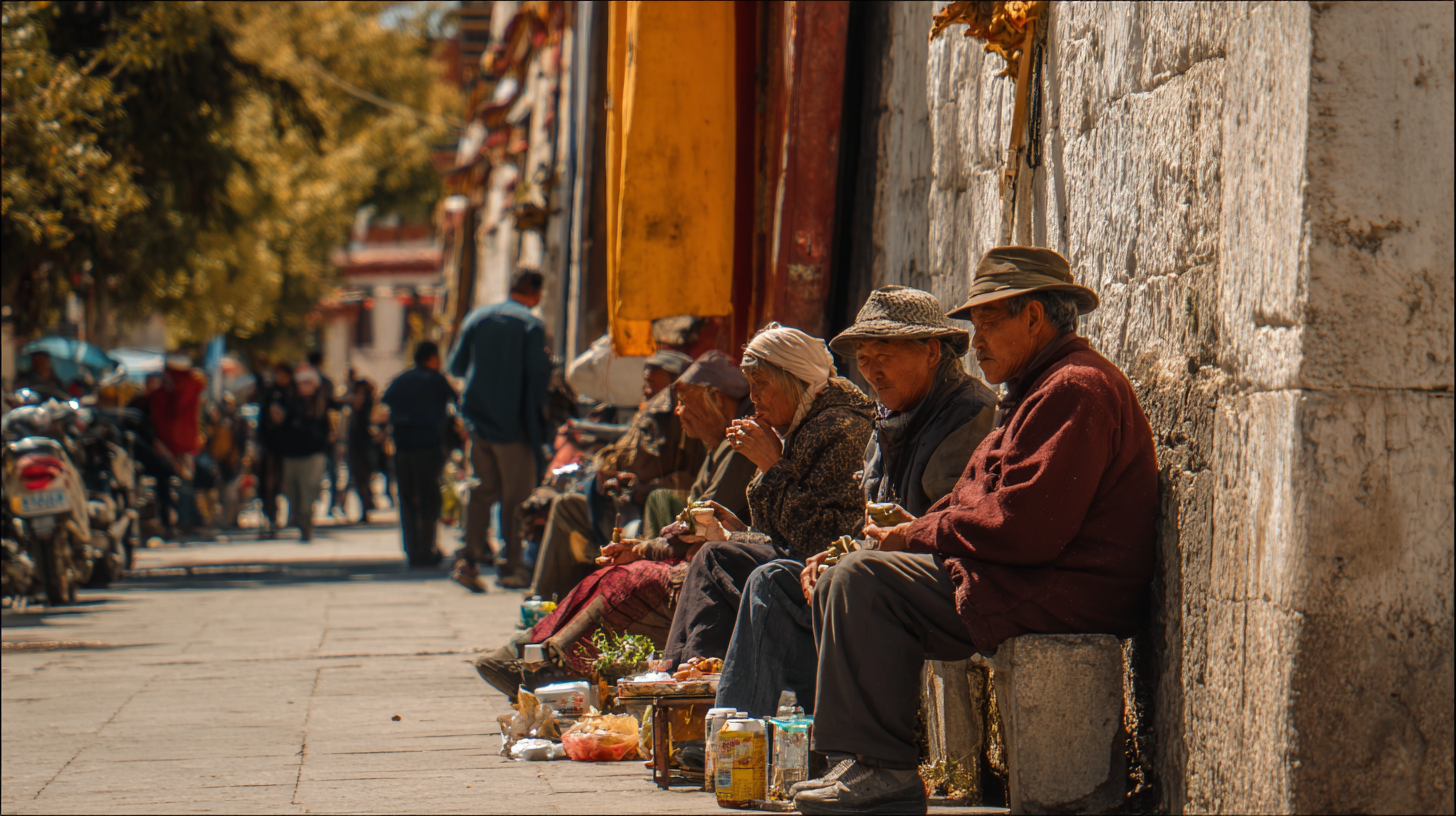
Made from black tea and condensed or fresh milk, this drink carries a gentle sweetness and creamy aroma. Unlike butter tea, which is a household staple, sweet tea is found more commonly in public tea shops. In Lhasa especially, small, weathered tea houses hum with voices, packed benches, and the constant clinking of cups.
A cup of sweet tea costs less than one yuan but can stretch into hours of conversation. In these spaces, business deals are struck, neighborhood gossip exchanged, and travelers pause to soak in the energy. For visitors, sweet tea offers more than refreshment; it provides a clear window into daily Tibetan social life.
3. Tibetan Light Tea: A Quiet Cup in the Afternoon Sun
Light tea plays a gentler role in the spectrum of Tibetan beverages. It lacks the oiliness of butter tea and avoids the sugary richness of sweet tea. Usually brewed from black or semi-fermented tea and seasoned with a touch of salt, it offers a clear, slightly briny profile.
On quiet afternoons, as the sunlight filters through the courtyard and the breeze slows down, many Tibetans choose to brew a pot of light tea and sip slowly. Its popularity owes much to its neutrality—no excess fat or sugar, making it ideal for those with sensitive stomachs. Many Tibetan eateries offer it for free as a welcoming gesture to their guests.
4. Bone Broth Tea: A Bowl of Strength from the Grasslands

Despite its name, bone broth tea is more soup than tea. Common in nomadic areas, it is made by simmering yak leg bones into a rich broth, then mixing in roasted barley flour (tsampa), salt, and brick or black tea. Occasionally, it may include offal or a spoonful of yak fat, making it a calorie-dense, practical drink for survival.
For herders, this is not simply nourishment—it’s the day’s recovery ritual. It embodies thrift, resilience, and a deep respect for using every part of the animal. A bowl of bone broth tea feels like a firm pat on the shoulder from the highland wind, reminding you that life here is sustained through grit and habit.
5. Tibetan Barley Wine – Chang: A Gentle Buzz Beneath the Plateau Sky
In Tibetan culture, alcohol is rarely about intoxication; it’s about connection.
Chang, or Tibetan barley wine, is a low-alcohol drink brewed from highland barley. Lightly sweet and often cloudy, it resembles a cross between rice wine and mead. Every household’s chang has a different personality—some taste like a dream, others like a sour heartbreak.
During festivals, weddings, funerals, or housewarmings, chang is a central presence. Elders offer it in large bowls, encouraging you to drink in their joy, memory, or grief. It’s not meant to get you drunk but to ease conversation and loosen the tongue. For travelers lucky enough to be invited into a home, it’s good manners to sip slowly and show appreciation, even if you can’t finish the cup.
6. Qingke Beer: The Sparkling Echo of a New Tibet

Qingke beer represents a marriage between tradition and modern craft; it is the beverage of choice for a younger generation growing up on the Tibetan Plateau. Unlike chang—its rustic, home-brewed cousin served during festivals and family gatherings—Qingke beer is made through industrial brewing methods using malted highland barley. The result is a cleaner, crisper profile, with fine bubbles and a smooth, slightly sweet aftertaste that lingers just long enough to be remembered.
It is the only widely available beer in the world made from Tibetan barley, and it carries with it not just flavor but identity. The most recognized brand, Lhasa Beer, can be found in restaurants, supermarkets, and street-side barbecue stalls throughout the region. Its label often features snow-covered peaks, fluttering prayer flags, or silhouettes of yaks—reminders that even in a bottled drink, the landscape is never far away.
For travelers, Qingke beer offers a glimpse into a different kind of Tibet: one that is urbanizing, blending the sacred with the casual, the ancient with the experimental. Spend an evening in a tucked-away lounge in Lhasa or Shigatse, order a bottle of Qingke beer alongside grilled Tibetan pork or stir-fried tsampa, and you’ll experience a version of the highlands that pulses not with chants or silence, but with music, laughter, and the soft clink of glasses. It is a Tibet in transition, fermenting quietly in the background.
How and Where to Taste These in Tibet

Tasting these drinks on your journey through Tibet doesn’t require much effort—just a little curiosity and the right timing.
- Butter Tea is commonly served in homestays and countryside guesthouses. Hosts will often offer it unprompted, and you can politely ask if you may try making it yourself.
- Sweet Tea is best enjoyed in Lhasa’s lively tea houses. Visit places like Guangming Gangqiong Sweet Tea House, order a pot and a piece of fried dough, and let the hours slip by in quiet observation.
- Light Tea is usually offered for free in restaurants and monastery dining areas. It’s the safest choice for sensitive stomachs and pairs well with a simple meal.
- Bone Broth Tea appears more frequently in nomadic households. If your trip includes a local experience near Lake Namtso or in western regions like Ngari, ask your guide in advance.
- Chang is easiest to find during festivals or in cultural villages. Some restaurants also serve locally brewed versions. If you’re unsure, just tell your guide you’d like “a little chang that won’t get me drunk.”
- Qingke Beer is widely available in cities like Lhasa and Shigatse. Look for it on the menu in restaurants, local bars, and even grocery stores. For a more immersive experience, spend an evening in a Tibetan-style lounge, pair a bottle of Lhasa Beer with roasted yak meat or spiced tsampa, and take in the soundtrack of a new Tibet—a place where tradition quietly sips alongside change.
Cultural Etiquette: What Not to Do When Drinking in Tibet
- Don’t refuse butter tea directly. Even if the flavor isn’t to your liking, take a polite sip and say “bò ma nga” (Tibetan for “I’ve had some”) or simply smile and set the cup down gently.
- Respect the ritual of chang. When being toasted with chang, take a small symbolic sip. If you want to avoid drinking more, pretend to take another sip; most hosts will understand and let it pass.
- Be mindful of bone broth tea. It may contain animal fats or offal. If you are vegetarian or have dietary restrictions, ask ahead. Some monasteries and religious ceremonies prohibit alcohol and meat, so observe local norms carefully.
Health and Hygiene Tips for a Safe Sip
| Beverage Type | Potential Risk | Suggested Approach |
|---|---|---|
| Butter Tea | High fat content; not ideal on an empty stomach | Pair with food and drink in small amounts initially |
| Chang | Low alcohol, but may hit hard at high altitudes | Avoid drinking continuously or too quickly |
| Yak Milk & Yogurt | May cause issues for the lactose intolerant | Choose heated versions and monitor your body’s response |
| Street Drinks | Varying levels of hygiene | Stick to busy stalls with high customer turnover |
Seasonal Recommendations

| Season | Best Beverages | Why |
|---|---|---|
| Winter (Nov–Feb) | Butter Tea, Bone Broth Tea | Offers warmth and fat for cold resistance |
| Spring (Mar–May) | Light Tea, Chang | Light tea soothes dryness; chang features in seasonal festivals |
| Summer (Jun–Aug) | Light Tea, Sweet Tea, Yak Yogurt | Refreshing, hydrating, and aids digestion |
| Autumn (Sep–Oct) | Yak Milk, Chang | Barley and dairy are in peak season after harvest |
Friendly Places to Try Tibetan Drinks
| Beverage | Recommended Location | Notes |
|---|---|---|
| Butter Tea | Family inns in Lhasa, Shigatse homes, Nyingchi countryside | Ask your host if you can help prepare a batch |
| Sweet Tea | Guangming Sweet Tea House in Lhasa, tea shops near Barkhor Street | Popular among locals for daily conversation |
| Light Tea | Restaurants, monastery dining areas, hotel eateries | Often offered free with meals |
| Bone Broth Tea | Nomadic villages near Namtso Lake or in Ngari | Best experienced with a local guide |
| Chang | Folk villages, guesthouses in Nyingchi, festivals in Shannan | Avoid on an empty stomach and don’t mix with other alcohol |
These five drinks offer more than hydration; they carry centuries of history, survival, and celebration in every cup. If you’re headed to the Tibetan Plateau, treat these beverages as cultural landmarks—flavors to be discovered, respected, and remembered. After all, some stories are best told through taste.