Planning a trip to Tibet is not just about booking tickets or packing bags. With its distinct regulations, high-altitude environment, and rich culture, preparation is key. A well-organized plan ensures your journey to the “Roof of the World” is smooth, safe, and deeply rewarding.
Pre-Trip Planning
Tibet, officially known as the Tibet Autonomous Region (TAR), is unlike most other travel destinations. Foreign travelers must meet specific requirements to enter Tibet, the most critical being the Tibet Travel Permit. This document isn’t something you can handle alone—it needs to be arranged through a registered travel agency. Starting this process weeks in advance is essential.
If you’re traveling solo, consider joining a group tour. Not only is this cost-effective, but it also simplifies the logistics. A group tour often covers permits, accommodation, and guides, leaving you free to enjoy the experience. Beyond logistics, take time to learn about Tibetan culture. Understanding the region’s deep Buddhist roots and history can make your visit far more meaningful. Finally, don’t underestimate Tibet’s climate. Temperatures can fluctuate drastically, especially on the Tibetan Plateau, so check forecasts and pack accordingly.
Getting to Tibet

Reaching Tibet is an adventure in itself. Most travelers fly into Lhasa Gonggar Airport, which connects to major Chinese cities. Another popular option is the Qinghai-Tibet Railway, a scenic yet lengthy journey from cities like Beijing, Shanghai, or Chengdu. The train ride is renowned for its breathtaking views of the plateau and gradual altitude gain, which can help with acclimatization.
When booking transportation, planning ahead is vital. Flights and train tickets often sell out quickly, especially during peak seasons. If you have extra time, consider exploring other Tibetan regions such as Sichuan or Qinghai provinces. Qinghai Province is significant as the largest area of Tibetan habitation outside the Tibet Autonomous Region, with a substantial Tibetan population and rich cultural influences. It also serves as a starting point for journeys along Route 318 to Lhasa. Sichuan Province, particularly in the Garzê and Aba Tibetan Autonomous Prefectures, offers stunning natural beauty, including mountain views and cultural experiences in places like Moxi Town and the Hailuogou Glacier Park. These areas offer a less tourist-heavy yet equally enriching glimpse into Tibetan culture.
Exploring the Tibetan Plateau
Tibet’s landmarks are nothing short of awe-inspiring. In Lhasa, the iconic Potala Palace and Jokhang Temple are must-visits. Both reflect Tibet’s spiritual essence and architectural grandeur. Beyond the city, places like Namtso Lake and the vast Tibetan Plateau showcase the region’s stunning natural beauty.
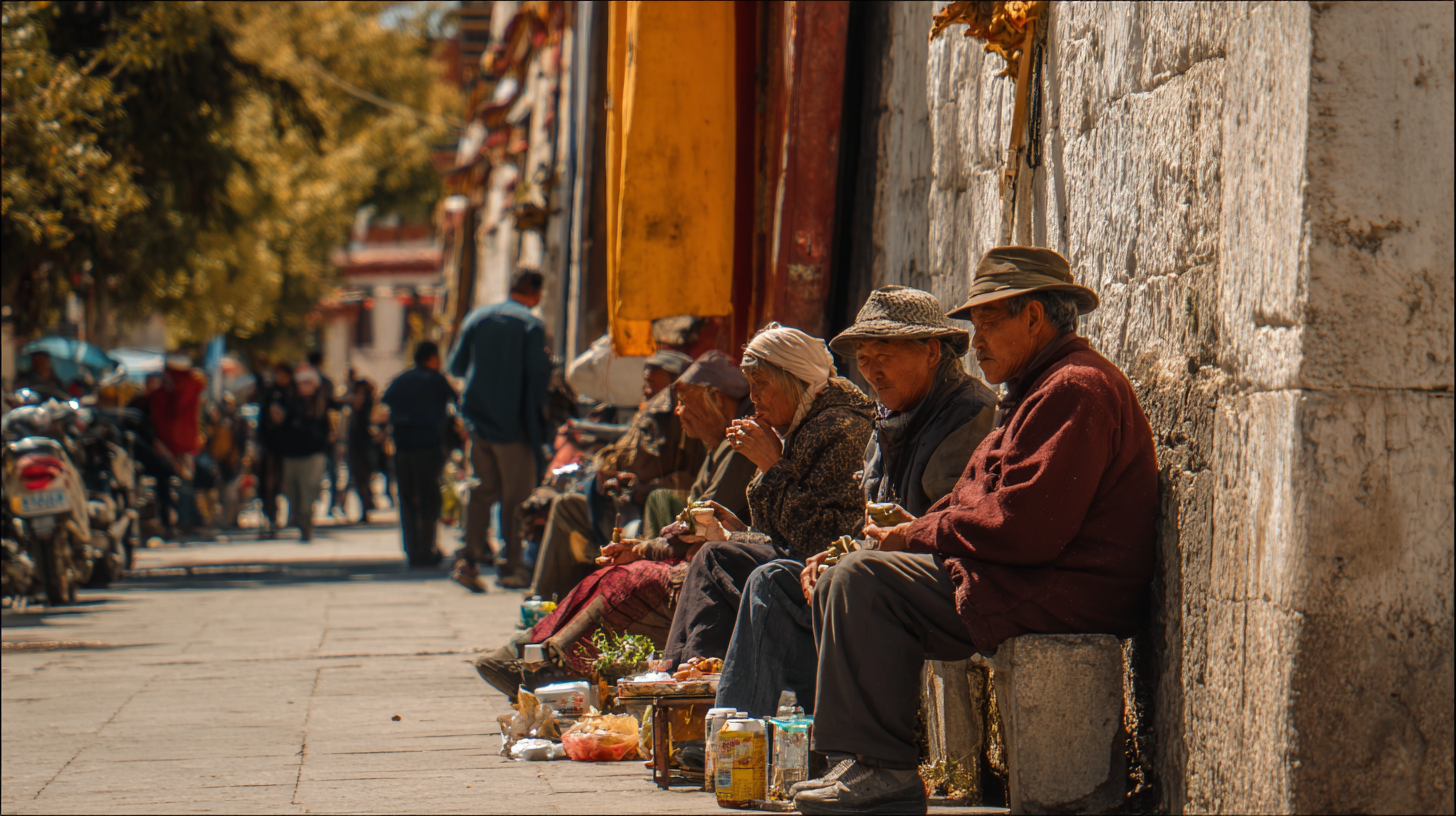
To truly immerse yourself in Tibetan culture, take time to learn about Tibetan Buddhism. Visiting monasteries such as Drepung, Sera, or Tashilhunpo allows you to experience the tranquility and devotion that define the Tibetan way of life. Don’t miss the chance to interact with locals. Their warmth and unique traditions offer insights into daily life on the plateau.
Trekking and Hiking in Tibet

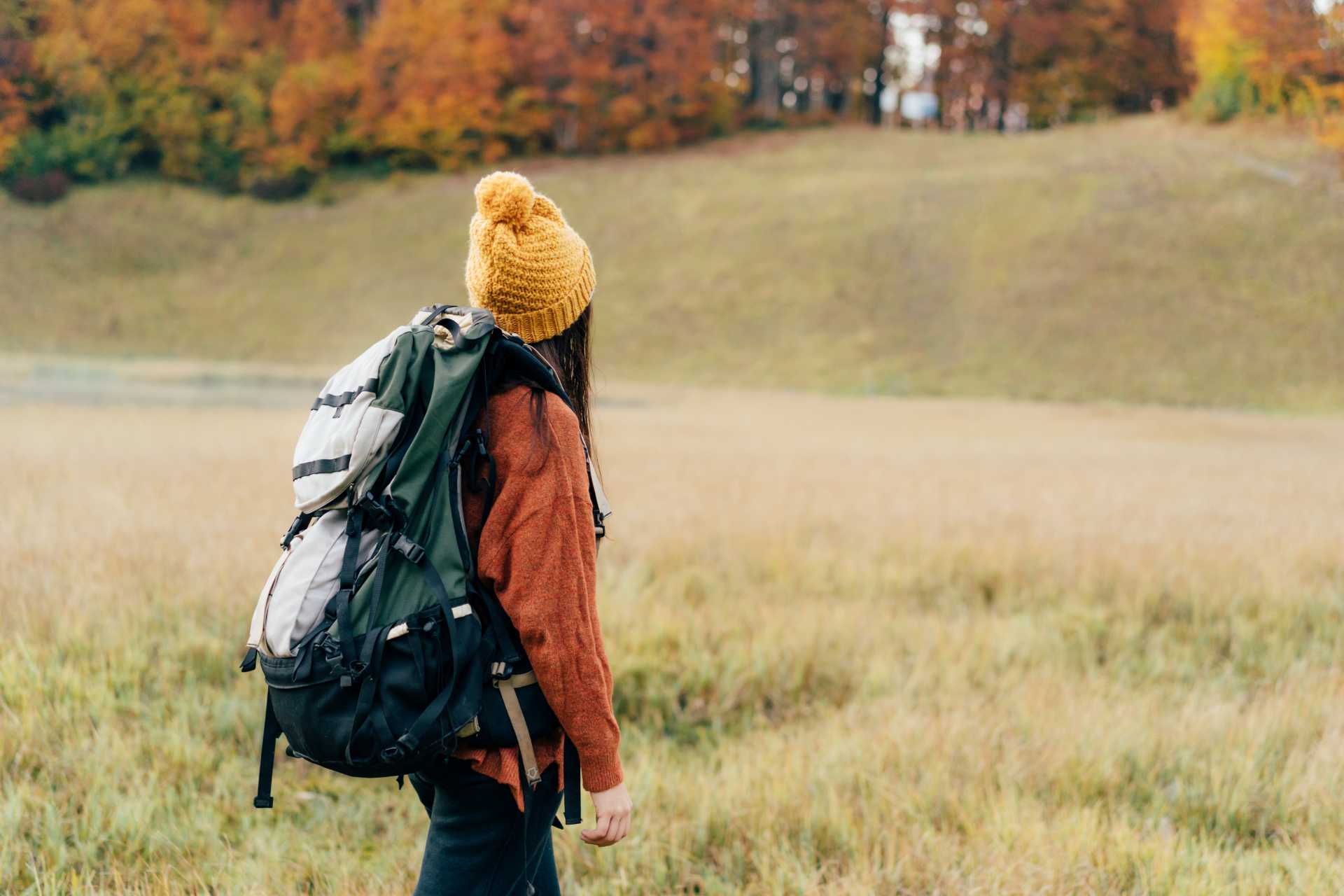
For adventure seekers, Tibet’s treks are world-class. Popular routes like the Everest Base Camp trek and the sacred Mount Kailash pilgrimage attract hikers from around the globe. However, trekking in Tibet is not for the unprepared. The high altitudes demand careful acclimatization, and the rugged terrain requires physical fitness and proper gear.
Hiring a local guide or joining a group is highly recommended for safety and cultural insights. Joining a Tibet group tour offers the added benefit of connecting with like-minded travelers and shared experiences, fostering friendships and making it appealing for solo travelers seeking companionship while exploring. Always pack essentials like warm clothing, sturdy hiking boots, and a well-stocked first-aid kit. Respecting the environment and adhering to local regulations ensures these pristine trails remain accessible for future travelers.
Recommended Itinerary for Key Destinations
Tibet’s main attractions are spread out, so a well-organized itinerary is important. Here’s a suggested 15-day route that covers iconic locations:
| Day | Destination/Activity | Notes |
|---|---|---|
| 1 | Arrival in Chengdu | Prepare for the train journey. |
| 2-3 | Train to Lhasa (Qinghai-Tibet Railway) | Scenic route with gradual altitude gain. |
| 4 | Lhasa: Potala Palace, Jokhang Temple, Barkhor Street | Acclimatize to the altitude. |
| 5 | Lhasa to Yamdrok Lake, Karola Glacier, Shigatse | Stunning lakes and glaciers. |
| 6 | Shigatse to Everest Base Camp via Rongbuk Monastery | Visit the world’s highest monastery. |
| 7 | Everest Base Camp to Shigatse | Scenic return journey. |
| 8 | Shigatse: Tashilhunpo Monastery, back to Lhasa | Explore Buddhist heritage. |
| 9 | Lhasa to Namtso Lake and return | Visit the sacred saltwater lake. |
| 10 | Lhasa to Basum Lake and Niyang River | Natural beauty and tranquility. |
| 11 | Basum Lake to Nyingchi (Lulang Forest) | Stunning forests and mountain views. |
| 12-13 | Nyingchi back to Lhasa via Lhasa-Nyingchi Highway | Experience lush landscapes. |
| 14 | Flight from Lhasa to Chengdu | Wrap up your trip. |
| 15 | Departure from Chengdu to your home country | Relax after your adventure. |
For shorter trips, consider customizing this itinerary with a local guide.
How to Obtain a Tibet Travel Permit
- Tibet Travel Permit (TTP):
Essential for all foreign travelers. Must be arranged through a registered travel agency. Provide your passport and visa for application. - Border Pass:
Required for visiting regions like Everest Base Camp and Ngari. It’s often bundled with TTP services. - Key Tip:
Work with a reliable local guide or planner to ensure all permits are secured before arrival.
Best Times to Visit

Tibet is accessible year-round, but avoid peak crowds during China’s public holidays (May 1st, October 1st).
- Best months: December to July.
- Rainy season: August to September, with potential road disruptions.
- Temperature tips: Expect drastic day-night temperature differences, especially at high altitudes.
Transportation: Train vs. Flight
- Flights:
- Direct flights to Lhasa are limited. Most routes require a layover in Chengdu, Chongqing, or Xining.
- Book tickets only after your permits are confirmed.
- Trains:
- The Qinghai-Tibet Railway offers incredible views and helps with altitude adjustment.
- Popular routes: Beijing, Chengdu, Shanghai, Xining.
- Booking advice: Tickets sell out fast. Reserve early, ideally through a local agent.
Managing Altitude Sickness
Altitude sickness is common but manageable with preparation:
- Before your trip: Avoid alcohol and intense physical activity. Get proper rest.
- During the trip: Hydrate, ascend gradually, and avoid overexertion in the first few days.
- Medical support: Stay in hotels offering oxygen supplies or carry portable oxygen cans.
Costs and Budget Tips

Tibet can be expensive due to its remote location. Here’s a breakdown:
| Item | Cost Range (CNY/Day) |
|---|---|
| Accommodation | 100–500 |
| Transportation (Local) | 200–800 |
| Entry Permits | 500–1,000 (one-time) |
| Meals | 50–150 |
Tips for saving money:
- Travel in small groups to share costs.
- Book accommodations and tickets through a local guide to avoid markups.
Local Insights and Tips
- Cultural Respect:
- Avoid discussing political topics or Tibet’s status.
- Learn simple phrases like “Tashi Delek” to greet locals.
- Always walk clockwise around monasteries.
- Packing List:
- Warm clothing, sunscreen, and lip balm for high-altitude dryness.
- High-energy snacks and a first-aid kit.
- Scam Prevention:
- Avoid unlicensed taxis and overly pushy salespeople.
- Book tours and services only with trusted agencies or guides.
Why Consider a Local Guide?
Working with a local expert, like the mentioned guide Akun, simplifies your trip. They can:
- Handle permits, transportation, and accommodation.
- Customize itineraries for your group’s preferences.
- Save costs by avoiding middlemen and securing group rates.
Local guides also provide cultural context, making your trip more meaningful. While self-planning is possible, relying on a professional ensures smoother logistics and a stress-free experience.
Staying Healthy in Tibet

Health is a top priority when traveling in high-altitude regions. Altitude sickness is a common risk, so acclimatization is crucial. Take it slow during the first few days, stay hydrated, and avoid alcohol. A basic first-aid kit should include remedies for headaches, nausea, and other common ailments.
Balanced nutrition is equally important. Tibetan cuisine, with staples like yak meat, barley, and hearty soups, provides much-needed energy. However, avoid overexertion and take regular breaks to let your body adjust to the thinner air. Having travel insurance that includes coverage for altitude-related illnesses is a wise precaution.
Costs and Budgeting
Traveling in Tibet doesn’t have to break the bank, but costs can add up if not planned properly. Expect to spend on transportation, accommodation, and permits, with group tours offering a cost-effective way to manage these expenses. Simple guesthouses and local eateries are budget-friendly options that also provide an authentic experience.
| Expense | Estimated Cost Range (CNY/Day) |
|---|---|
| Accommodation | 100–500 |
| Food | 50–150 |
| Transportation | 200–800 |
| Group Tour Fees | 500–1,500 |
Allocating extra funds for unexpected expenses or itinerary changes is always a good idea.
Road Tripping in Western Sichuan Province
If you’re planning a road trip, Western Sichuan offers incredible opportunities. Scenic routes like the Hailuogou Glacier Forest Park or the Ganzi Tibetan villages provide a taste of Tibetan culture without entering the TAR. Tibetan communities in Sichuan Province offer authentic cultural experiences, making it an appealing destination for travelers interested in Tibetan culture and the Himalayas. Road conditions can be challenging, especially in remote areas, so a 4×4 vehicle is recommended. Always check weather conditions before setting out and pack necessary gear like warm clothing and first-aid supplies.
What to Pack for Tibet
Packing for Tibet requires a balance between essentials and practicality. Warm clothing is a must, with layers that you can adjust as temperatures change. Documents such as your passport, visa, and Tibet Travel Permit should always be accessible. Hiking gear, including boots and trekking poles, is necessary for outdoor activities.
For communication, a portable Wi-Fi hotspot or local SIM card is useful in more connected areas, while a power bank ensures your devices stay charged. Lastly, a good camera is invaluable for capturing Tibet’s breathtaking landscapes.
Safety and Emergency Procedures
When traveling to the Tibet Autonomous Region, it’s essential to be aware of the potential safety risks and emergency procedures. The Tibetan Plateau is a high-altitude region, and altitude sickness can be a significant concern. Here are some safety tips and emergency procedures to keep in mind:
- Altitude Sickness: Acclimatize to the high altitude by ascending gradually. Drink plenty of water, and avoid strenuous activities. If symptoms persist, descend to a lower altitude and seek medical attention.
- Emergency Services: In case of an emergency, contact your tour guide or travel agency for assistance. They can provide guidance on the nearest medical facilities and emergency services.
- Medical Facilities: Lhasa has several medical facilities, including the Lhasa People’s Hospital and the Tibet Autonomous Region People’s Hospital. However, medical facilities in remote areas may be limited.
- Rescue Services: In case of a serious emergency, rescue services may be available. However, response times can be slow due to the remote location.
- Weather Conditions: The Tibetan Plateau is prone to extreme weather conditions, including snowstorms and landslides. Stay informed about weather conditions and follow local advice.
- Cultural Sensitivity: Be respectful of Tibetan culture and traditions. Avoid taking pictures of sensitive areas, such as monasteries and temples, without permission.
- Group Tour Safety: When joining a group tour, ensure that your tour guide is experienced and knowledgeable about the region. Follow their instructions and stay with the group at all times.
By being aware of the potential safety risks and emergency procedures, you can have a safe and enjoyable trip to the Tibet Autonomous Region. Remember to always prioritize your safety and the safety of others.
Cultural Immersion and Etiquette
Tibetan culture is deeply spiritual and communal. Show respect by dressing modestly, especially when visiting religious sites. Basic Tibetan phrases like “Tashi Delek” (hello) can go a long way in fostering goodwill. When visiting temples or homes, remember to remove your shoes and avoid pointing with your feet. Small gestures, like bringing incense or tea as gifts, demonstrate appreciation for local hospitality.
Conclusion
A trip to Tibet is a transformative experience, but it requires thorough preparation and an open mind. Respecting local customs, understanding the region’s challenges, and planning with care ensure not just a smooth journey but also a deep connection with this extraordinary land. Participating in a small group tour is one of the most suitable and budget-friendly ways to visit Tibet, offering an affordable and enriching experience despite the restrictions on independent travel. Whether you’re drawn by its spiritual depth, natural beauty, or rich history, Tibet promises an experience unlike any other.