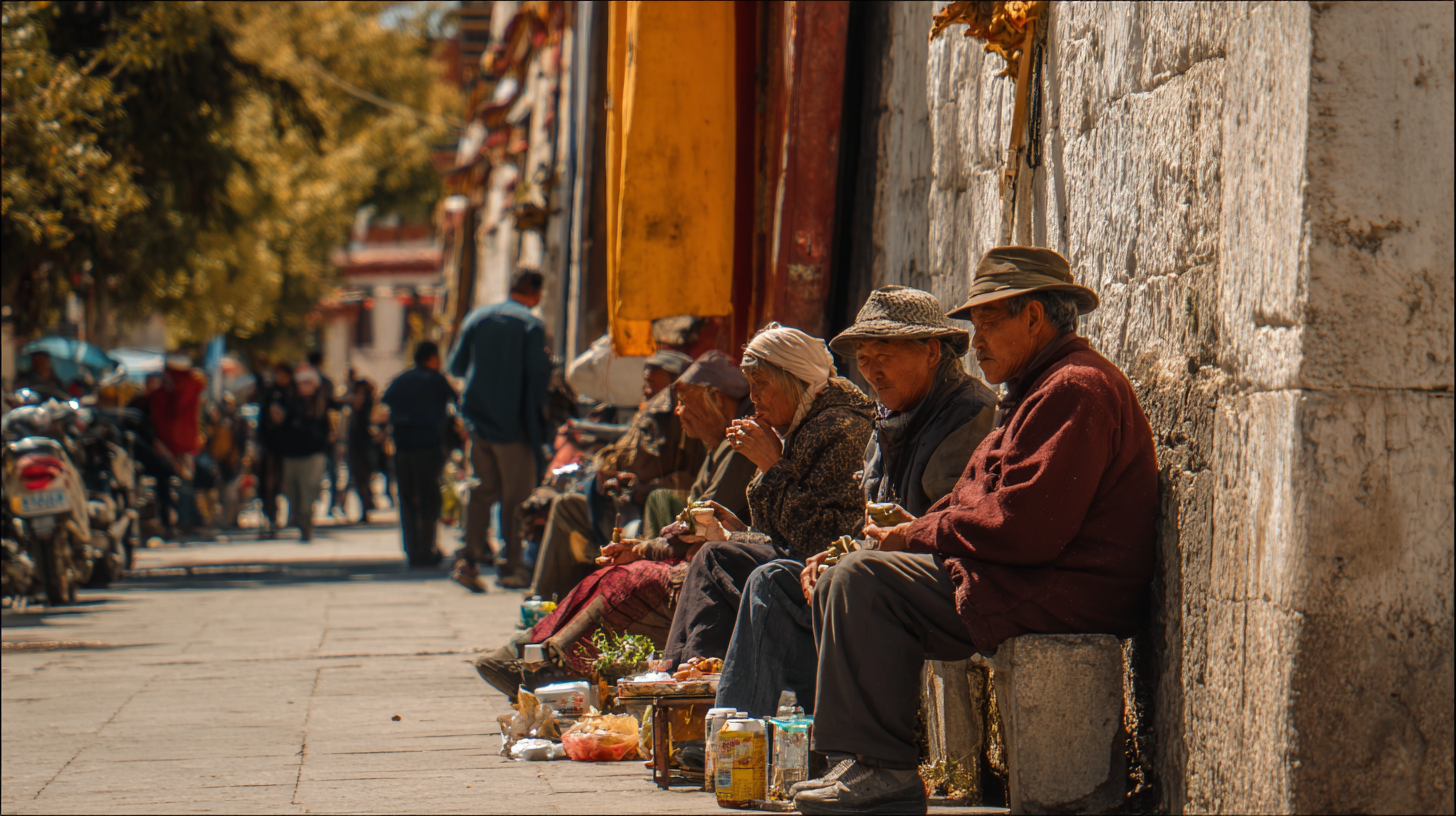
You don’t just drink it. You arrive at it. Somewhere along the cold corridors of a Himalayan village, past prayer flags fluttering like breath in the wind, you’re handed a wooden cup. The liquid is slightly orange, warm to the touch, with a faint, sour-sweet aroma that hovers between grain and wild yeast. This is Tibetan barley wine (also called chang, 羌) — a drink that’s more than a beverage. It’s a ritual, a greeting, and sometimes, a dare.
At its core, this traditional brew is a low-alcohol fermented drink made from qingke (青稞), a hardy, purple-tinged barley that thrives in the high-altitude soils of the Tibetan Plateau. But behind its simplicity lies a depth of tradition, technique, and cultural nuance that gives it a quiet, enduring power.
The Making of Tibetan Barley Wine
The traditional method of brewing Tibetan barley wine follows a simple but time-honored sequence:
- Strain and serve
The fermented mixture is filtered through cloth or mesh to extract the liquid. It’s usually consumed fresh, unpasteurized, and often warm. - Wash the barley
Highland barley (qingke) is thoroughly rinsed to remove dust and impurities from its husk. - Steam the grain
The cleaned barley is then steamed until soft. This gelatinizes the starches and makes them accessible for fermentation. - Cool down
After steaming, the barley is left to cool. Temperature is key here — too hot will kill the yeast; too cold will stall fermentation. - Add fermentation starter
Once cool, a traditional yeast cake (jiuqu) is crumbled in. These starters contain wild yeast and beneficial molds. - Ferment in sealed containers
The mixture is placed into wooden tubs or clay jars, covered, and sealed. Fermentation begins and typically lasts 2–3 days. - Add clean water
After the initial fermentation, clean water is added to the mash, and the container is resealed. - Second fermentation
The brew sits for another 1–2 days. During this phase, the liquid becomes tangy, slightly fizzy, and ready to drink.
This mixture is sealed in wooden or clay containers, often covered with cloth. Fermentation kicks off in two to three days. In many regions, brewers then add clean water to the mash, sealing it again for another short round of fermentation. The result? A cloudy, orange-hued drink that’s tangy, lightly sweet, and slightly effervescent — alive with microflora and tradition.
Despite being called a “wine,” its character sits closer to beer. The alcohol content is modest, usually between 2% and 5%, and it’s often served warm or at ambient temperature, especially during colder seasons or religious gatherings.
Culture in a Cup

In Tibetan life, this drink isn’t merely consumed — it’s performed.
One of the most charming customs is the “three sips and a full cup” ritual. When offered the brew, a guest is expected to take just a small sip. The host promptly refills the cup. This happens three times. After the third refill, the guest is finally expected to drink the entire cup. It’s an unspoken dance of generosity and hospitality. Sometimes, the offering comes with song — especially during festivals, where women in colorful brocade serve with voices raised in melodic persuasion.
Declining isn’t simple. Accepting too readily might mean you won’t leave the table anytime soon. Either way, you’re in for something memorable.
From Hearth to Market: The Path to Modernization

While the drink remains a staple of village life and monastery celebrations, it’s also stepping — cautiously — into the world of modern branding. In places like Qinghai and western Sichuan, breweries have begun bottling versions of the traditional barley brew for urban markets.
These products are more refined, with consistent quality and safer packaging, but many locals argue they lack something vital — the breath, the soul, the sense of place. It’s the difference between bread from a factory and one from a grandmother’s oven.
Still, brands like Qinghai Spring attempt to balance modernity and authenticity, presenting barley wine as a symbol of the highlands: pure, resilient, and rooted in centuries of survival.
Scaling it up isn’t easy. The drink’s short shelf life, delicate fermentation, and climate sensitivity make it a challenge for mass production. What thrives in a yak-hide tent doesn’t always cooperate under fluorescent lights.
Nutrition and Survival
One reason this drink holds its ground so firmly is its nutritional weight. Highland barley is rich in beta-glucans, fiber, and protein — a kind of ancient supergrain. In the brutal winters and food-scarce landscapes of Tibet, barley wine isn’t just celebration. It’s sustenance. It feeds and warms, offering calories, comfort, and a touch of conviviality.
So, Why Try It?

Because it doesn’t exist anywhere else in quite the same way. Because it’s a bridge to a culture shaped by sky and stone. Because when someone hands you a wooden cup filled with this fermented gift, they’re not just offering you alcohol. They’re offering hospitality, memory, and a moment out of time.
You don’t gulp Tibetan barley wine. You arrive at it. One sip at a time.