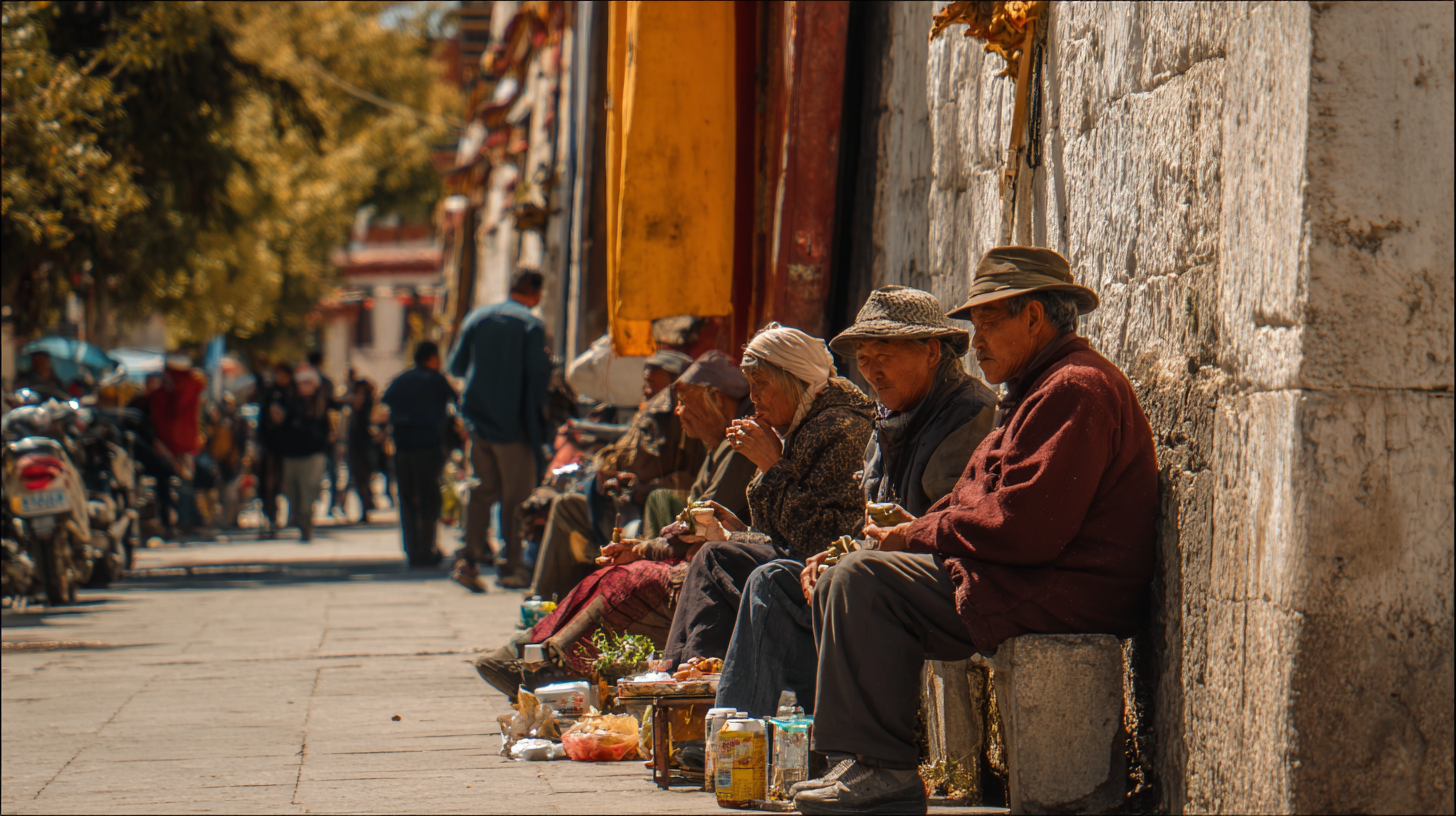
Walk into a Tibetan home, and you may spot a bowl of small dough balls made from flour and butter tea on the table. Don’t be surprised—this is tsampa, the staple food that Tibetans eat almost every day. Though humble in appearance, tsampa reflects deep-rooted wisdom, cultural emotion, and the resilience of high-altitude living.
What Is Tsampa? Where Does It Come From?
Tsampa (Tibetan: རྩམ་པ་, pronounced tsam-pa) is roasted flour made mainly from highland barley—a crop renowned for thriving under the extreme conditions of the Qinghai-Tibet Plateau. It grows steadily in high altitudes with strong sunlight and dry climates, making it the most important grain in Tibetan regions.
The traditional process of making tsampa includes:
- Sun drying: Freshly harvested barley is laid out under the sun.
- Roasting: The grains are pan-roasted in iron or stone pots to bring out their aroma.
- Grinding: Using water-powered stone mills, the roasted grains are ground into flour, preserving their natural oils and nutrients.
- Sifting: Based on desired texture, the flour is sifted into coarse or fine grades. For a more refined version, bran is removed to make premium tsampa.
Why Does Tsampa Come in Two Shapes?

From the photos you provided, we can see two distinct shapes of tsampa, each with its own cultural significance.
1️⃣ Floral Molded Tsampa (for rituals or guests)
This decorative shape is typically used during religious ceremonies, festivals, or when welcoming guests. Tsampa is pressed into molds with auspicious patterns, often resembling flowers or sunbursts. Some families even make “tsampa towers” for New Year offerings and prayers.
👉 Drier texture; easier to preserve and present.
2️⃣ Hand-formed Oval Tsampa (travel-ready)
This is the everyday version—hand-formed, palm-sized, and easy to carry. It’s common to see herders or pilgrims pull one out of their bag, eating it with butter tea or plain.
👉 Softer texture; ideal for quick energy replenishment.
Together, these two forms reflect the dual identity of tsampa—as both a daily fuel and a ritual offering.
How Do Tibetans Eat Tsampa? Flavor and Methods

Most Tibetans learn how to eat tsampa from a young age, and though it seems simple, the process is quite particular.
Traditional Method: Mixing with Butter Tea
- Pour a little buttered tea (made with butter, salt, tea leaves, and water) into a bowl.
- Add butter, milk curds, and sugar to taste.
- Add several spoonfuls of tsampa flour.
- Hold the bowl in your left hand and mix everything with your right until it becomes a compact dough ball.
The result is fragrant, dense, and deeply satisfying.
This method is perfect for herders and pilgrims—no need for fire or pots. Just a bowl, a pouch of tsampa, and some hot water or butter tea is enough for a meal anywhere.
How to Make Tsampa at Home (Modern Lazy Method)
Thanks to online shopping, you can now buy pre-roasted tsampa flour labeled as “tsampa powder” or “roasted barley flour.” Making tsampa at home has never been easier.
▶ What You’ll Need:
- Ready-to-eat tsampa flour (roasted)
- Butter (or ghee)
- Dried milk curds (or dry cheese)
- Sugar
- Buttered tea (or salted milk tea / hot water)
▶ Steps:
- Pour 3–5 tablespoons of buttered tea or hot water into a bowl.
- Add butter, milk curds, and sugar.
- Add 4–6 tablespoons of tsampa flour (adjust based on preferred consistency).
- Mix and knead by hand into a soft dough.
- A wetter mix yields soft dumpling-like texture.
- A drier mix is more like an energy bar.
Modern Variations: Sweet and Savory Twists
- Tupa (Tsampa Porridge): Cooked tsampa with beef or mutton and vegetables—hearty and savory.
- Sweet Tsampa: With sugar, sesame, and cheese—served as a snack or dessert.
- Energy Bars: Mixed with dried fruit and nuts—ideal for hikers or athletes.
- Fusion Flavors: Some areas now offer coffee or cocoa-flavored tsampa as instant breakfast options.
What Types of Tsampa Exist?

Tsampa isn’t limited to one recipe. Variants are made based on different grains and combinations:
| Type | Ingredients | Common Use |
|---|---|---|
| Highland Barley | 100% roasted highland barley | Everyday meals, travel |
| Pea Tsampa | Barley mixed with roasted peas | Added protein and aroma |
| Mixed Tsampa | Barley + peas + wheat, etc. | Region-specific blends |
| Refined Tsampa | Bran-removed fine flour | Festive dishes, guest hospitality |
Why Do Tibetans Love Tsampa So Much
- Energy Dense & Practical: High in calories, no cooking needed, easy to carry—perfect for the highlands.
- Cultural Identity: At New Year, pilgrimages, or Buddhist festivals, Tibetans throw tsampa into the air as a blessing for prosperity and peace.
- Bodily Adaptation: High in fiber and resistant starch, it supports digestion and energy in high-altitude environments.
Tsampa in Modern Life
Once a food of nomads and villagers, tsampa has entered new territory. In Lhasa’s upscale restaurants, tsampa now appears in creative dishes for tourists and dignitaries.
Meanwhile, cultural brands across Tibet are releasing instant tsampa packs, bottled flour, and gift sets of tsampa-based sweets—making this traditional food part of everyday urban life.
A Staple Food, a Highland Legacy
To Tibetans, tsampa is not just carbs—it’s a vessel of survival, faith, and memory.
It’s the warm dough in a grandmother’s hands, the food pouch on a pilgrim’s back, the handful of flour tossed skyward in prayer—and perhaps the gentlest taste of Tibet.
A quiet daily reminder: sometimes, the meaning of life is just a bowl of warm tsampa.
Reference
Tibet’s all-natural delicacy—tsampa
A mouthful of fragrant black barley tsampa is the taste of hometown memories