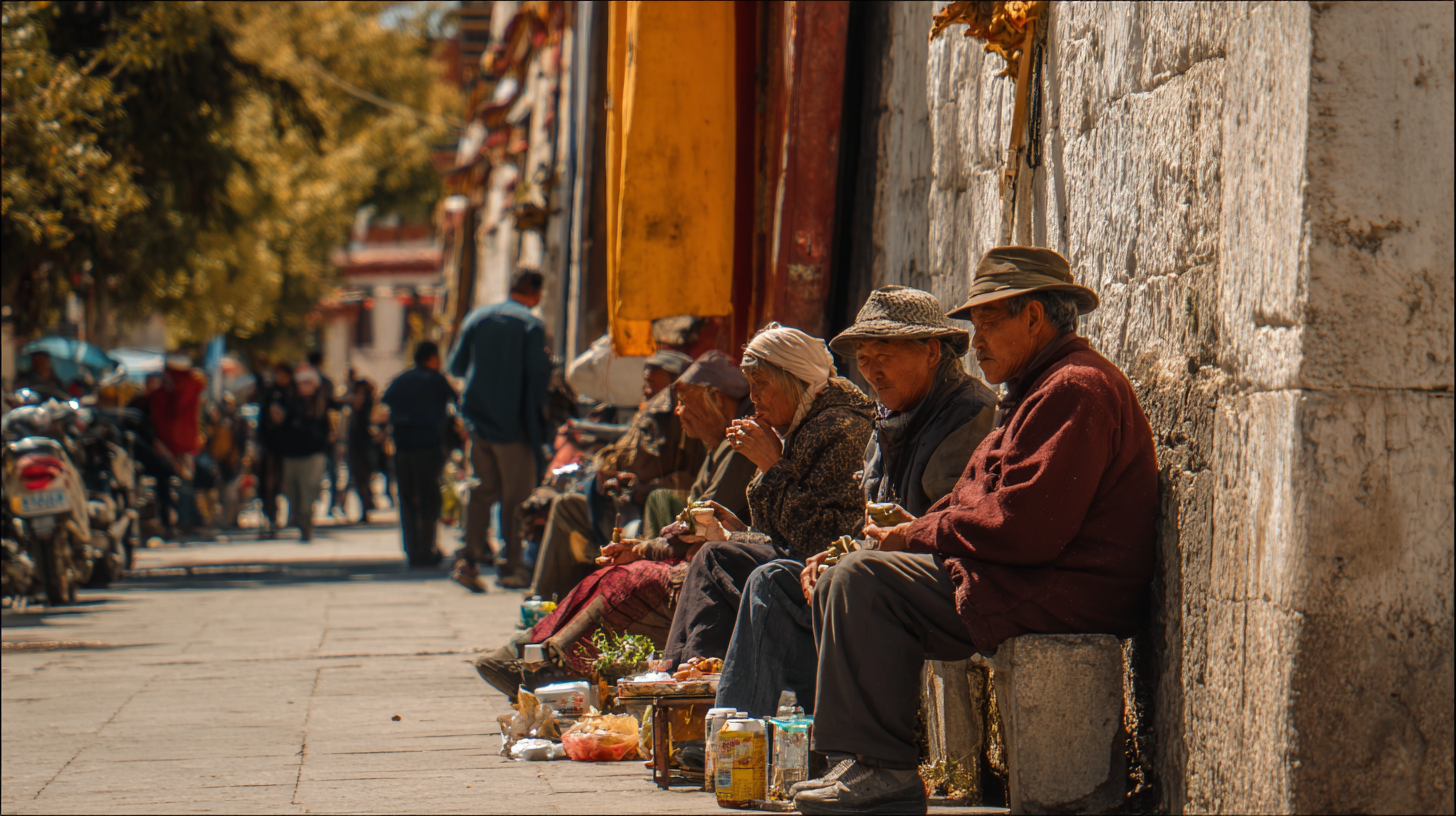
Tibet, often referred to as the “Roof of the World,” is a mesmerizing land of natural beauty, age-old traditions, and profound spirituality. However, traveling to Tibet isn’t as straightforward as hopping on a plane and landing in Lhasa. Why is travel to Tibet restricted, and what should potential visitors know? This comprehensive guide aims to unveil the mystery, providing insights into the historical context, permit requirements, restricted areas, and responsible travel practices related to travel restrictions in Tibet.
1. Historical Context: Why Is Travel to Tibet Restricted?

Understanding Tibet’s travel restrictions requires delving into the region’s complex history. Tibet was incorporated into the People’s Republic of China in 1950, and since then, the area has been under Chinese governance. Political sensitivities and ongoing tensions make travel in Tibet highly controlled by the Chinese government. These restrictions have been instituted partly to preserve cultural heritage and regional stability, although critics argue they serve to stifle dissent and control the narrative surrounding Tibet.
2. Permit Requirements: Your Passport Isn’t Enough
Anyone wishing to visit Tibet needs to navigate a maze of paperwork, primarily because individual travel is not permitted. Foreign travelers must be part of an organized tour operated by a travel agency registered in Tibet. Additionally, various permits are required:
- Tibet Travel Permit: Mandatory for all travelers, this permit is issued by the Tibet Tourism Bureau and can only be applied for through a Tibetan tour operator.
- Aliens’ Travel Permit: Required for traveling to areas outside Lhasa, like Shigatse and Everest Base Camp.
- Military Area Entry Permit: Necessary for specific areas like Ngari, bordering India, and Nepal.
Your Tibetan tour operator will generally handle these permits, but you must plan well in advance as processing can take weeks.
3. Additional Considerations for Travel to Tibet

3.1 Getting Your Tibet Travel Permit Through a Tour Operator
International travelers—including expats living in China—must obtain a Tibet Travel Permit before boarding a train or flight to Lhasa. This cannot be done individually; a certified tour operator must handle the process.
Here’s how it works:
- Book your Tibet tour and finalize your itinerary and travel dates.
- Submit scanned copies of your passport (valid for at least six months) and your Chinese visa. If you’re an expat, you’ll also need a work certificate or student ID.
- The tour agency will then apply for your permit through the Tibet Tourism Bureau.
- Once approved, the permit will be sent to your mainland China address.
Begin the process at least 20 days before departure to accommodate potential delays or changes in documentation requirements.

3.2 Traveling with Chinese Friends or Relatives
Foreign travelers can indeed visit Tibet with Chinese friends or relatives. As long as all standard travel procedures are followed—including joining an organized tour and securing necessary permits—you’re allowed to share the experience with your loved ones. The key is ensuring that all documentation and arrangements comply with the travel restrictions for foreigners.
3.3 Transport Options from Mainland China
Reaching Tibet from mainland China is straightforward, with flights and trains operating from major cities like Beijing, Shanghai, Guangzhou, Chengdu, and Xining. Train travel, particularly from Xining, is recommended for its gradual elevation gain, aiding altitude acclimatization. If time is tight, flights offer faster access but may increase the likelihood of altitude sickness. Booking these tickets, especially during peak season, can be challenging—your travel agency can assist with this too.
3.4 Health and Age Recommendations
There’s no official age restriction for visiting Tibet, but travelers should assess their physical condition. Seniors and children are welcome, yet they’re more susceptible to altitude sickness. Those with cardiovascular diseases, severe diabetes, recent surgeries, or who are pregnant should consult a doctor beforehand.
3.5 Special Regulations for Journalists and Diplomats
Unlike general tourists, journalists and diplomats are not allowed to travel to Tibet through commercial tour operators. Instead, they must receive special approval from the China Foreign Affairs Office. This is due to the sensitive nature of their professions and the regional political climate.
4. Restricted Areas: Off-Limits to Tourists

Even with the requisite permits, certain areas in Tibet are completely off-limits to foreigners due to either military sensitivity or environmental conservation efforts. Examples include regions near the borders with India, Nepal, and Bhutan, as well as certain monasteries and religious sites.
5. Responsible Travel Practices
Traveling to Tibet carries ethical considerations. As a responsible traveler, you should be mindful of:
- Cultural Sensitivity: Understand and respect local customs and religious practices.
- Environment: Minimize your carbon footprint and avoid contributing to waste.
- Political Sensitivity: Avoid discussing political issues, as this could lead to problems for you and your guides.
6. Beyond the Restricted Areas: Alternative Experiences
Although restrictions limit access to certain parts of Tibet, there’s no shortage of breathtaking experiences elsewhere:
- Explore Lhasa: The capital city is home to iconic sites like the Potala Palace and Jokhang Temple.
- Journey to Lake Yamdrok: One of Tibet’s three holy lakes, offering stunning vistas.
- Visit Shigatse: Known for its impressive monasteries and close proximity to Everest Base Camp.
- Enjoy Tibetan Cuisine: From butter tea to momos, indulge in local flavors.
Conclusion

Understanding the restrictions on travel to Tibet is crucial for anyone considering a visit to this beautiful but complex region. While the permit requirements and limitations on movement can seem daunting, proper planning and responsible behavior can lead to a rewarding experience. And remember, there’s a myriad of attractions and cultural experiences to explore, even within the permitted areas. By taking the time to understand these complexities, travelers can make informed and respectful decisions that contribute to a meaningful and enriching Tibetan journey.