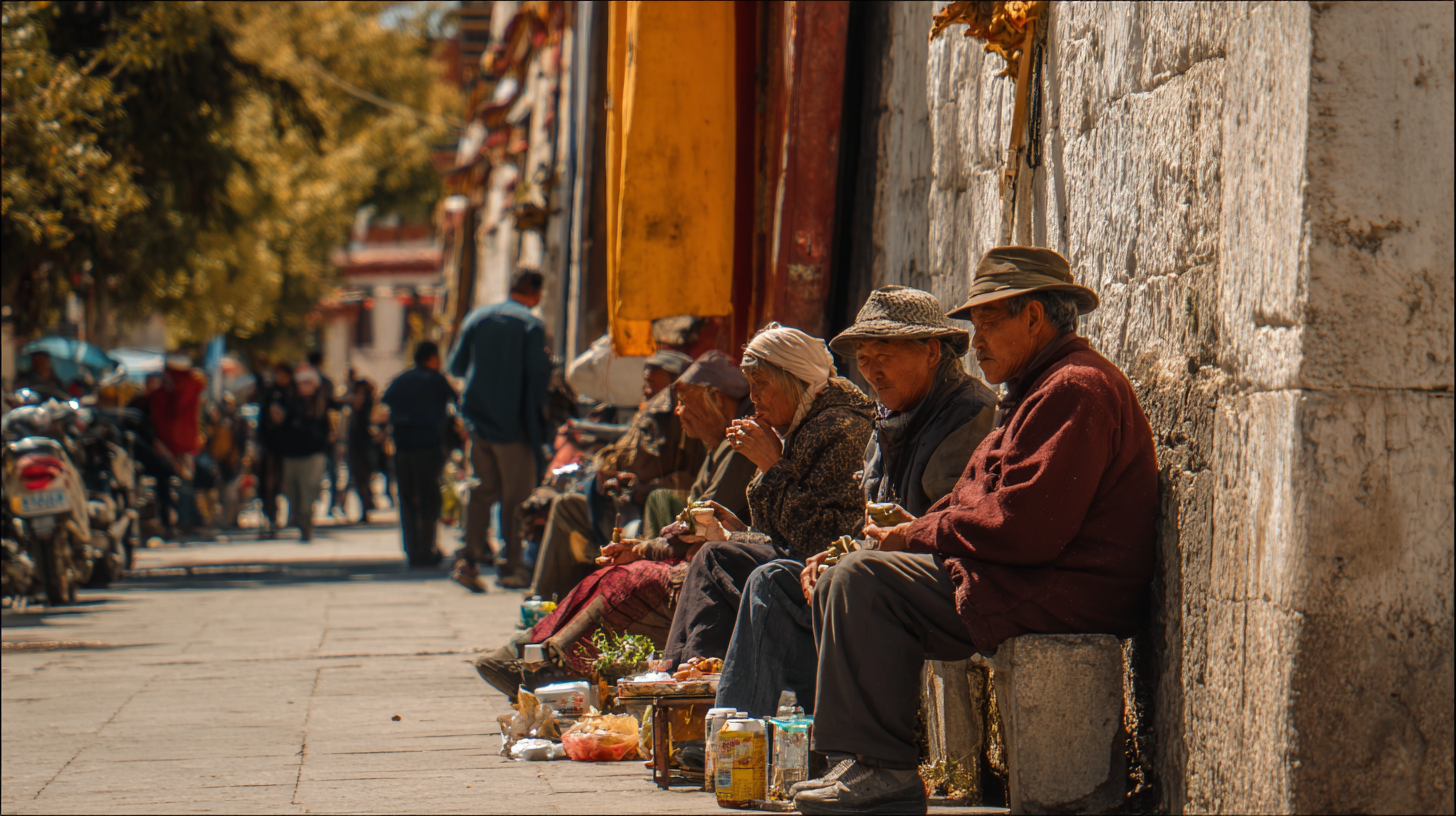
Singaporeans are no strangers to diverse culinary experiences. From the peppery warmth of Bak Kut Teh to the rich, herbal notes of Laksa, the local palate is both adventurous and discerning. But what if we told you there’s a whole new world of flavors waiting to be explored?
Enter Tibetan cuisine—a culinary tradition as rich and varied as the Himalayan landscape itself. This article will take you on a journey through the must-try Tibetan dishes that promise to tantalize your taste buds and broaden your culinary horizons.
An Overview of Tibetan Cuisine
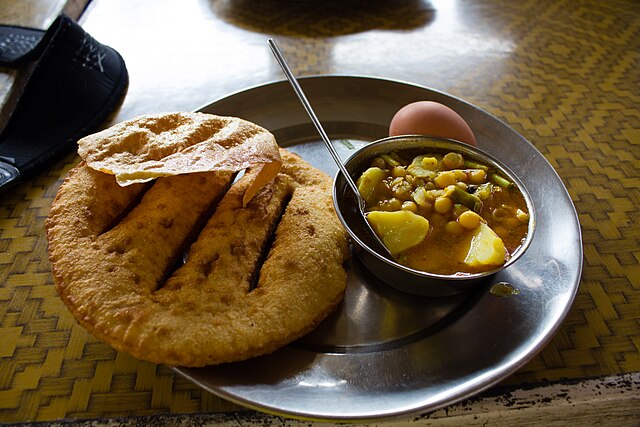
Tibetan cuisine is a fascinating blend of simplicity and depth, shaped by the harsh yet beautiful environment of the Tibetan Plateau. The staple ingredients are as rugged as the terrain: yak meat, barley, and dairy products like butter and cheese. These foods are not just sustenance but a reflection of Tibetan culture and resilience.
Key Ingredients and Dishes
- Yak Meat: A cornerstone of Tibetan cuisine, yak meat is often dried, stewed, or roasted. Its rich, slightly sweet flavor is a testament to the animal’s diet of high-altitude grasses.
- Barley: The most important crop in Tibet, barley is used to make tsampa, a roasted barley flour that is a dietary staple.
- Dairy Products: Butter, milk, and cheese from yaks are integral to many Tibetan dishes, adding richness and nutritional value.
Butter Tea vs. Bak Kut Teh
Butter Tea
Butter tea, or po cha, is a unique Tibetan beverage made from tea leaves, yak butter, salt, and water. It’s a drink that provides warmth and energy, essential for surviving the cold, high-altitude climate. The preparation involves boiling tea leaves, and then churning them with butter and salt until a thick, creamy consistency is achieved.
Bak Kut Teh
Bak Kut Teh, on the other hand, is a beloved Singaporean dish consisting of pork ribs simmered in a broth of garlic, pepper, and various herbs. It’s a hearty, comforting meal often enjoyed with rice and a side of Chinese tea.
Comparison
While both beverages serve the purpose of providing warmth and comfort, their flavors and cultural contexts are worlds apart. Butter tea is savory and rich, almost like a soup, whereas Bak Kut Teh is herbal and peppery, with a clear, invigorating broth.
Must-Try Tibetan Dishes for Singaporeans

Momos (Dumplings)
Momos are perhaps the most famous Tibetan dish. These dumplings can be steamed, fried, or boiled and are typically filled with meat or vegetables. The dough is made from wheat flour, and the filling often includes yak meat, garlic, and ginger, making for a savory, satisfying bite.
Thukpa (Noodle Soup)
Thukpa is a hearty noodle soup that combines meat, vegetables, and hand-pulled noodles in a flavorful broth. It’s a dish that warms the soul, perfect for cold weather or when you’re in need of comfort food.
Tsampa (Roasted Barley Flour)
Tsampa is the staple food of Tibet, made from roasted barley flour. It’s often mixed with butter tea to form a dough-like consistency and eaten as a quick, nutritious meal. Its nutty flavor and versatility make it a must-try.
Where to Find Tibetan Cuisine
In Tibet
For the most authentic experience, nothing beats trying Tibetan food in its homeland. Cities like Lhasa offer a plethora of traditional eateries where you can savor these dishes in their most genuine form.
In Singapore
While Tibetan restaurants are rare in Singapore, you can find Tibetan dishes in some Nepalese and Himalayan eateries. Alternatively, many Tibetan recipes are simple enough to try at home. Ingredients like barley flour and yak butter can be substituted with more readily available options like whole wheat flour and cow butter.

Guide for Tibet Tour from Singapore
Tibet, often referred to as the ‘Roof of the World’, offers an unparalleled spiritual journey. For many Singaporeans, a Tibet tour represents not just a vacation, but a transformative experience, allowing them to discover age-old monasteries, and stunning Himalayan landscapes, and immerse themselves in deep-rooted Tibetan Buddhism. Embarking on a Tibet tour from Singapore requires meticulous planning, but the rewards are boundless.
For more detailed information, you can visit: Funtrip Guide
Conclusion
Exploring Tibetan cuisine is more than just a culinary adventure; it’s a cultural exchange that enriches the soul. From the savory warmth of momos to the unique richness of butter tea, these dishes offer a glimpse into a way of life that is both ancient and enduring. So why not take a break from your usual fare and embark on a Tibetan culinary journey? Your taste buds will thank you.
Be adventurous, be curious, and most importantly, be open to the new and exciting flavors that Tibetan cuisine has to offer.